Tree removal Inner West work is shaped by dense streets, terrace homes, small courtyards, sandstone walls, overhead lines and heritage streetscapes. A tree that could be felled in an open yard may need careful sectional dismantling in Newtown, Marrickville, Balmain, Rozelle, Leichhardt or Annandale. The right contractor plans around the property rather than treating every tree as a simple cut-and-drop job.
Common Inner West Tree Problems
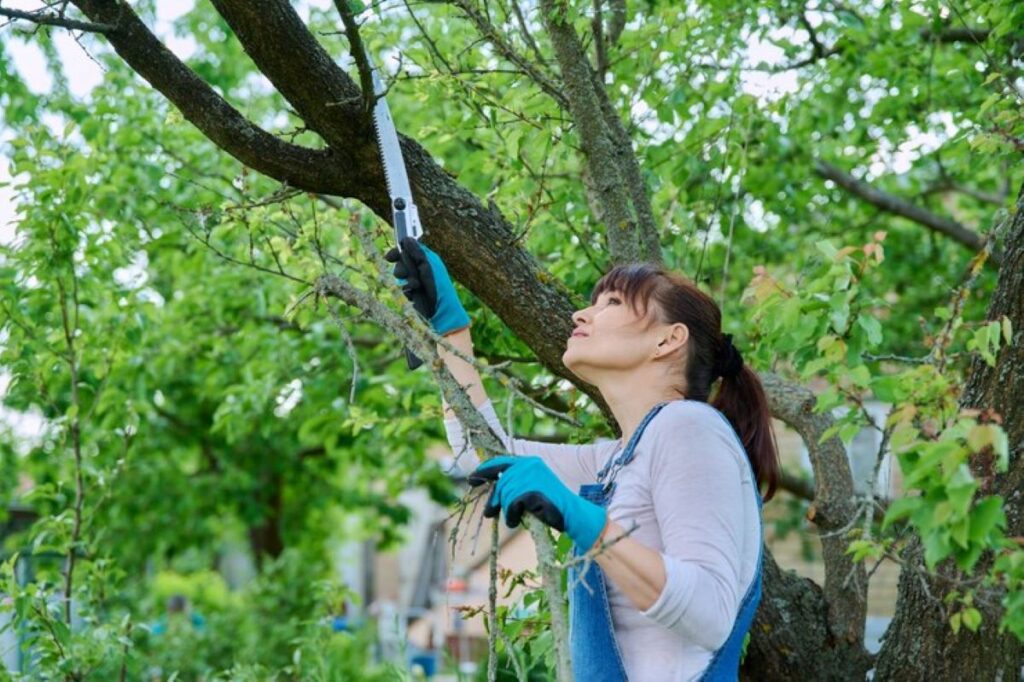
Residents often request removal of overgrown backyard trees, unsafe branches near roofs, palms in small courtyards, invasive camphor laurels and trees interfering with renovations. Some jobs can be solved with pruning. Crown lifting may clear a path, deadwooding may remove a hazard and selective reduction may improve light without removing the entire tree.
A qualified arborist should inspect the tree before removal. Look for cavities, fungal growth, cracks at unions, root disturbance, included bark and significant lean. If the tree is healthy, protected, mature or disputed with a neighbour, an independent opinion is sensible.
Why Access Is Difficult
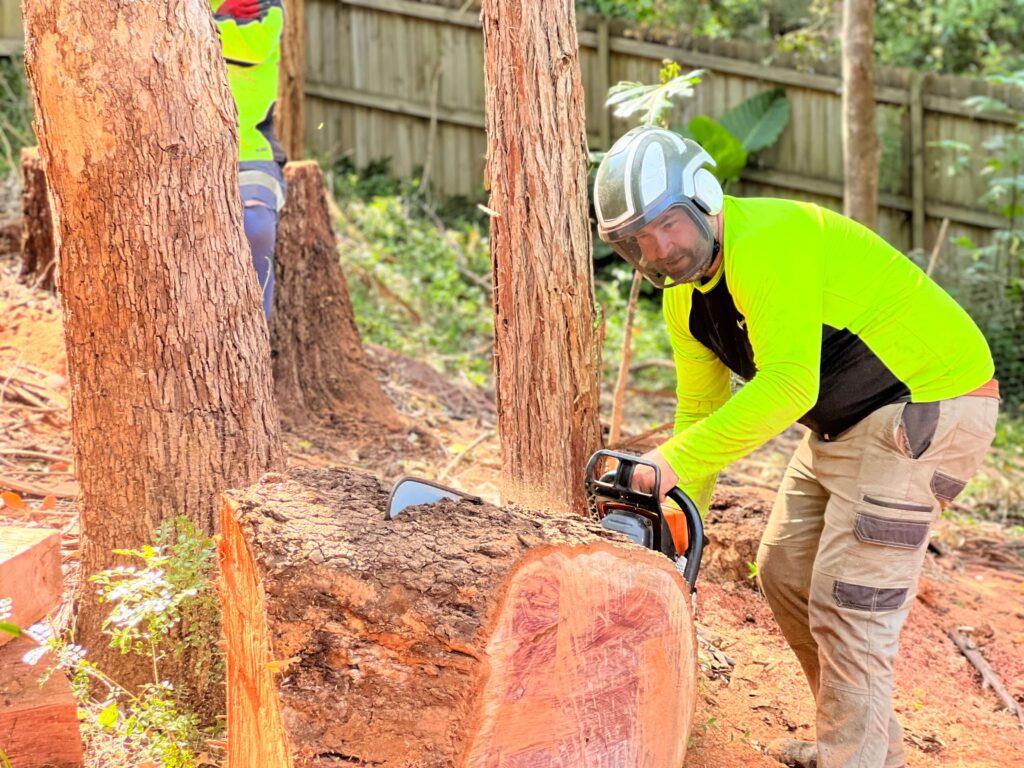
Inner West blocks often have side passages less than a metre wide. A chipper may not fit, forcing the crew to use compact equipment or carry branches by hand. Roofs, glass, pools, fences and neighbouring buildings become targets. Branches usually need to be lowered with ropes rather than dropped.
The site may also require temporary fence-panel removal, protection for tiles and paving, traffic management or coordination with neighbours. Ask the contractor to inspect access before giving a fixed price. A quote from the street can miss the most important part of the job.
Council and Heritage Checks
Tree services controls vary between local government areas. If you are in the City of Sydney, read the council’s application information for pruning and removal. Inner West residents should check Inner West Council’s current rules and the broader NSW Government tree-removal guidance.
Heritage-listed properties, significant trees, development applications and trees protected under local planning controls may need additional assessment. Do not assume a tree is exempt because it is in a backyard or because a contractor calls the work “lopping.” Keep photographs if relying on a dead or dangerous-tree exemption.
The Safe Removal Process
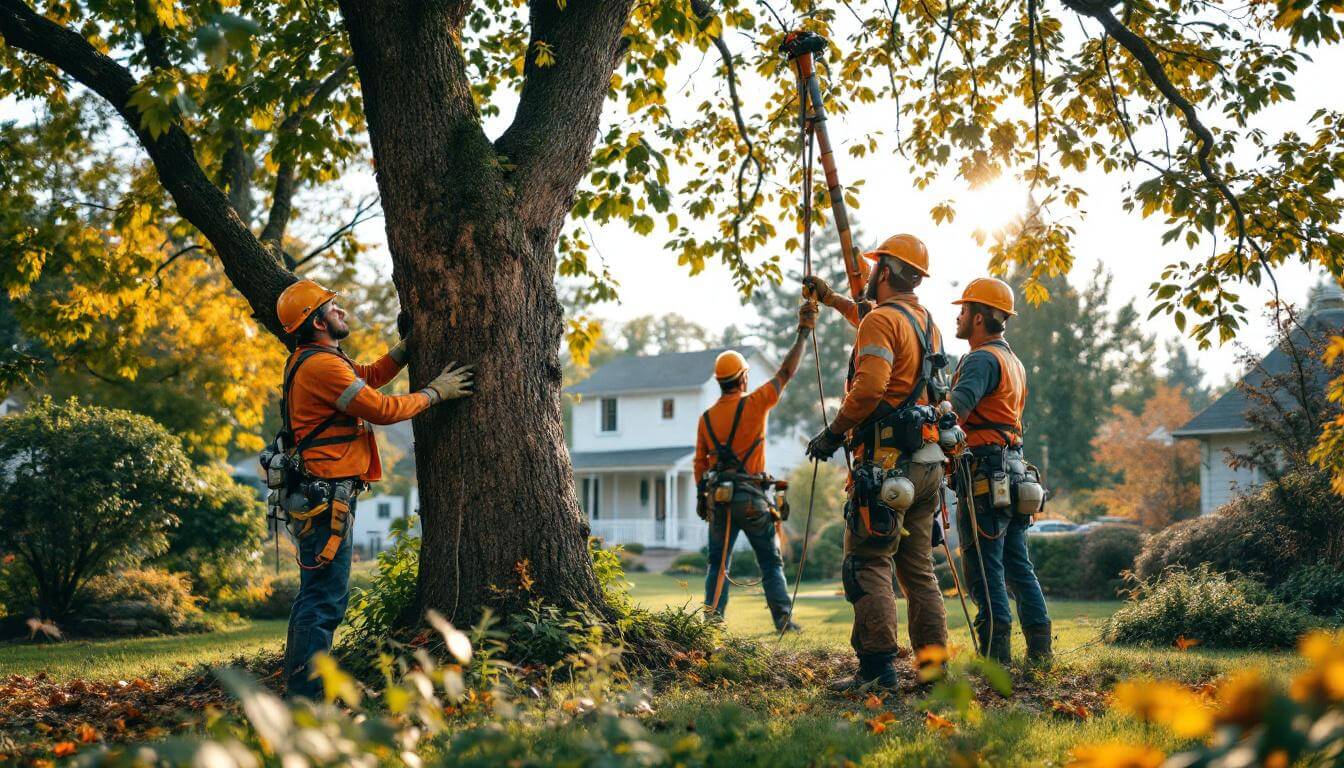
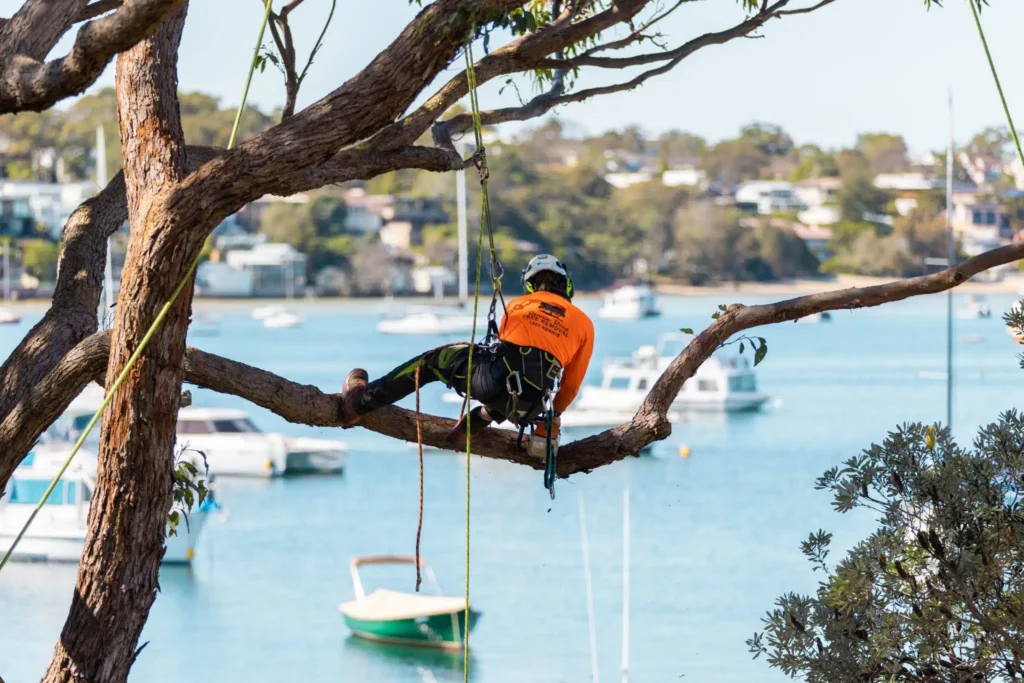
The crew should establish an exclusion zone, protect surfaces and decide whether to climb, use an elevated platform or dismantle from another position. Branches are cut in a planned order and lowered with ropes when they could damage a roof or wall. Brush goes through the chipper and larger timber is cut into manageable rounds.
The Safe Work Australia guide to tree-work risks covers falls, falling objects, chainsaws, chipping and removal. Look for helmets, face and hearing protection, safe climbing equipment and clear communication between the climber and ground team.
Inner West Cost Guide
A small backyard removal may cost $600 to $1,500. Medium trees with hand-carry access often range from $1,500 to $3,500. Complex dismantles over terraces, roads or neighbouring buildings can exceed $6,000. Stump grinding, traffic control, crane hire and disposal may be separate.
Access and target protection are the main price drivers. A shorter tree in a courtyard can cost more than a taller tree in an open block because every piece must be controlled and carried. Ask for a written scope that includes chipping, log removal, site clean-up and lawful disposal.
Choosing a Contractor
Request a current public liability certificate and confirm the legal business name. Ask whether workers compensation applies to the crew. Check what qualifications and experience the climber has, and ask who will handle any council report or application.
Avoid cash-only operators who pressure you to start immediately. Avoid recommendations to top a tree without discussing proper reduction. A professional should explain what can be retained and what will be removed.
Waste and Reuse
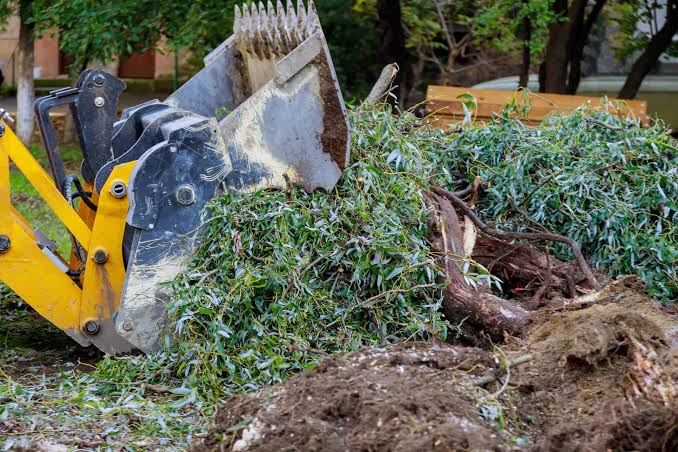
The NSW EPA garden-organics guidance explains why green waste should be transported to a lawful receiving facility. Ask where your material goes. Clean branch chip can often stay as surface mulch, while sound hardwood rounds can be used as firewood.
Keep chip away from trunks, walls, vents and termite barriers. Do not mix large quantities into the soil around a replacement plant because decomposing wood can temporarily reduce available nitrogen.
The University of Technology Sydney urban tree-canopy research provides useful context on why urban canopy matters. Removal may be necessary, but retaining healthy trees where risk can be managed benefits streets and gardens.
Construction and Tree Removal
Many Inner West removals are linked to renovations, extensions, pools or new paving. If a tree sits near a proposed footprint, approval may be assessed through the development application. Retained trees need protection from excavation, soil storage, machinery and root damage. Engage a project arborist early rather than discovering the requirement after construction begins.
Storm Damage
After a storm, stay away from hanging branches and never work near power lines. Photograph the damage, contact your insurer if a structure is affected and use an insured contractor for make-safe work. Emergency rates may be higher, but a rushed uninsured job can create far greater costs.