Tree pruning in Sydney’s east often feels straightforward until they discover the council wants paperwork first. For many addresses, tree pruning Eastern Suburbs councils require permits first because local laws treat trees as protected assets, not just garden features.
This guide explains what triggers a permit, why councils enforce it, and how they can avoid fines while still keeping trees safe and healthy.
Why do Eastern Suburbs councils treat pruning as a regulated activity?
They regulate pruning because significant tree work can permanently change canopy cover, habitat value, and neighbourhood character. In many cases, tree pruning Eastern Suburbs councils require permits first to ensure pruning is justified, carried out correctly, and aligned with local environmental objectives.
Even when a tree sits on private land, councils may still view it as part of the area’s shared urban forest.
Which councils in the Eastern Suburbs commonly require permits for pruning?
In Sydney’s Eastern Suburbs, permit rules commonly appear in local planning instruments and tree preservation controls used by councils such as Woollahra, Waverley, Randwick, and Bayside. Because rules differ by suburb and street, tree pruning Eastern Suburbs councils require permits first as a general expectation rather than an exception.
They should always check the specific council website or speak with council before booking work.
What counts as “pruning” that may need a permit?
A permit is typically triggered by pruning that removes a large portion of canopy, major limbs, or materially changes the tree’s structure. In practice, tree pruning Eastern Suburbs councils require permits first when work goes beyond light maintenance and starts resembling “lopping” or partial removal.
If they are reducing height, removing large branches, or altering the tree’s shape, they should assume approval may be needed.
When does a tree become “protected” under local rules?
A tree may be protected based on species, height, trunk diameter, location, or ecological value. Many councils use measurements taken at a set height above ground, and some also protect trees in heritage areas or near bushland.
That is a key reason tree pruning Eastern Suburbs councils require permits first, because residents may not realise their tree meets a protected threshold.
How do heritage and conservation areas change the permit requirement?
Heritage conservation areas are common across the Eastern Suburbs, especially in established streetscapes. Councils often require extra scrutiny because tree work can affect the historical character of gardens and public views.
In these areas, tree pruning Eastern Suburbs councils require permits first more often, and they may ask for more detail, including photos, an arborist report, or replanting plans.
What is the difference between acceptable pruning and illegal lopping?
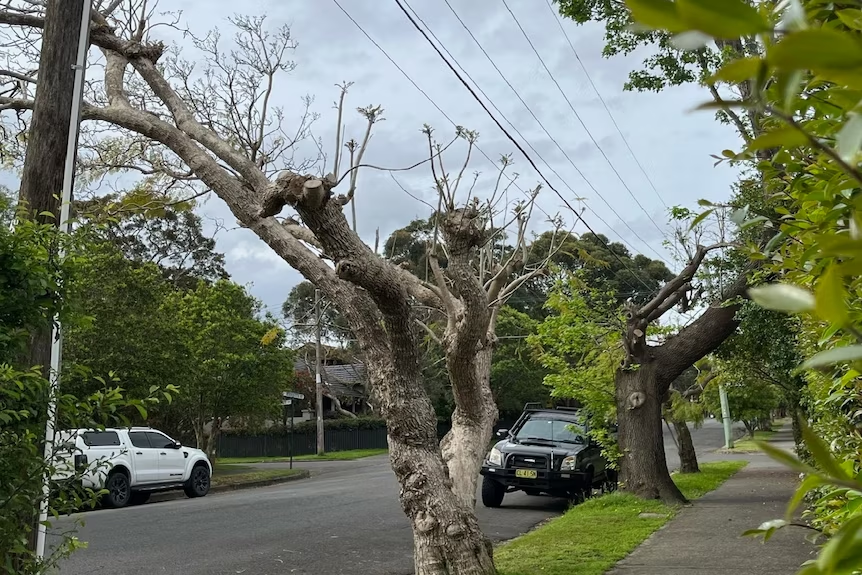
Acceptable pruning is targeted, minimal, and based on arboricultural standards that protect the tree’s long-term health. Illegal lopping is heavy-handed cutting that removes large limbs, disfigures the canopy, or creates long-term hazards.
Councils focus on this distinction because tree pruning Eastern Suburbs councils require permits first to prevent poor work that increases failure risk and future costs.
Do they need a permit for deadwood removal or minor maintenance?
Some councils allow limited maintenance, such as removing deadwood, small branches, or clearing minor interference, without a permit. But “minor” is narrowly defined, and the tree’s protected status still matters.
They should not assume an exemption applies, since tree pruning Eastern Suburbs councils require permits first in many scenarios where the work seems small but crosses a technical threshold.
What if branches are touching roofs, powerlines, or blocking solar panels?
If branches are damaging a roof, contacting service lines, or interfering with solar access, councils may still require an application, but the request can be assessed as practical risk management. They may need evidence such as photos, a solar installer’s note, or an arborist recommendation.
This is another situation where tree pruning Eastern Suburbs councils require permits first, even though the reason feels urgent.
What are the safety reasons councils want permits before pruning?
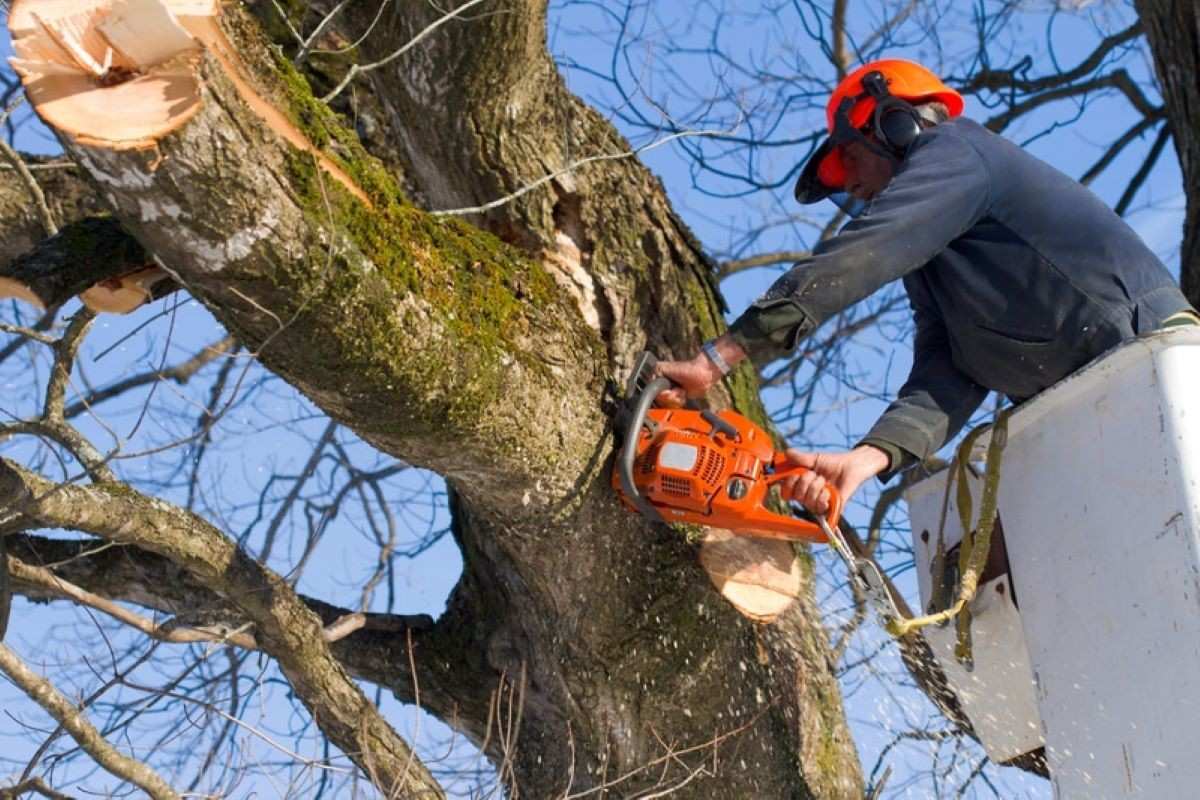
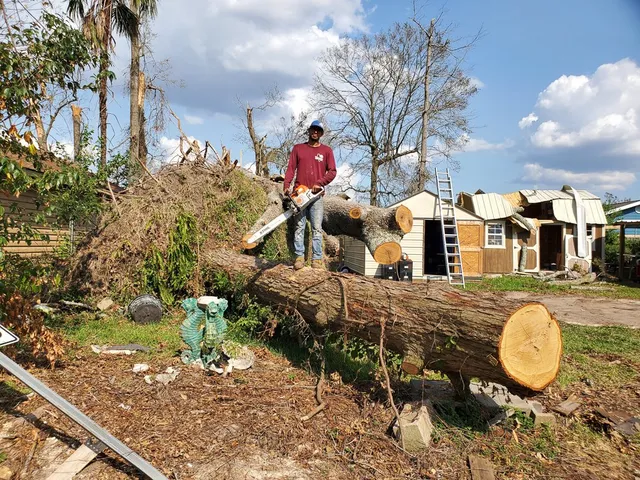
Improper pruning can cause limb failure, trunk decay, and unstable growth, especially in large eucalypts and figs common around Sydney. Councils want to confirm the method and extent of work is safe and appropriate.
Put simply, tree pruning Eastern Suburbs councils require permits first to reduce the chance of dangerous trees being created by bad cuts.
How do permits help protect wildlife and native habitat?
Many urban trees provide hollows, food sources, and shelter for birds and microbats, even on suburban blocks. Heavy pruning can remove nesting sites or harm habitat connectivity between parks and streets.
Councils rely on permit controls because tree pruning Eastern Suburbs councils require permits first to avoid avoidable impacts on local fauna.
What penalties can apply if they prune without approval?
Penalties vary by council and circumstances, but they can include fines, orders to stop work, and requirements to replace trees or undertake remediation. If the breach is serious, councils may escalate enforcement, particularly for protected trees or repeat offences.
This enforcement risk is exactly why tree pruning Eastern Suburbs councils require permits first should be treated as a planning step, not an afterthought.
How does the permit process usually work?
They typically submit an application with site details, tree information, the proposed scope of pruning, and supporting documents. Councils may inspect the tree, request additional information, or place conditions on approval.
Because processing takes time, tree pruning Eastern Suburbs councils require permits first means they should plan ahead rather than booking contractors for the same week.
What documents do they usually need for a pruning application?
Common requirements include clear photos, a site plan, the tree’s species (if known), and a description of the pruning scope. For complex cases, councils may ask for an arborist report aligned with Australian Standard pruning guidance.
It is often easier when a qualified arborist prepares the documentation, especially where tree pruning Eastern Suburbs councils require permits first due to heritage, size, or risk factors.
Can an arborist help them avoid unnecessary pruning and delays?
Yes, a good arborist can propose a compliant scope that meets council expectations while still solving the problem. They can also identify whether the tree is protected and whether exemptions might apply.
In many jobs, they save time and reduce back-and-forth because tree pruning Eastern Suburbs councils require permits first is easier to navigate with professional language and evidence.
What happens if the tree is on a boundary or affecting a neighbour?
Boundary trees and overhanging branches can raise disputes about responsibility, access, and consent. Even if the issue is neighbour-driven, the council rules still apply, and a permit might be required before any major cuts.
They should keep communication documented, because tree pruning Eastern Suburbs councils require permits first does not override civil neighbour obligations or property access rules.
Do strata properties and townhouses face extra steps?
Strata and community titles usually need approval from the owners corporation before arranging tree work. Councils may also require evidence that the applicant has authority to act for the property.
This creates a two-layer approval pathway, and it is one reason tree pruning Eastern Suburbs councils require permits first can take longer for apartments and townhouses than for freestanding homes.
Are there any common exemptions they can rely on?
Exemptions may exist for small trees under size thresholds, non-protected species, or limited maintenance work, but they vary significantly by council. Some exemptions also depend on whether the tree is in a heritage or environmentally sensitive area.
They should confirm exemptions in writing where possible, since tree pruning Eastern Suburbs councils require permits first is often enforced strictly after complaints.
How can they plan pruning so it stays compliant and tree-friendly?
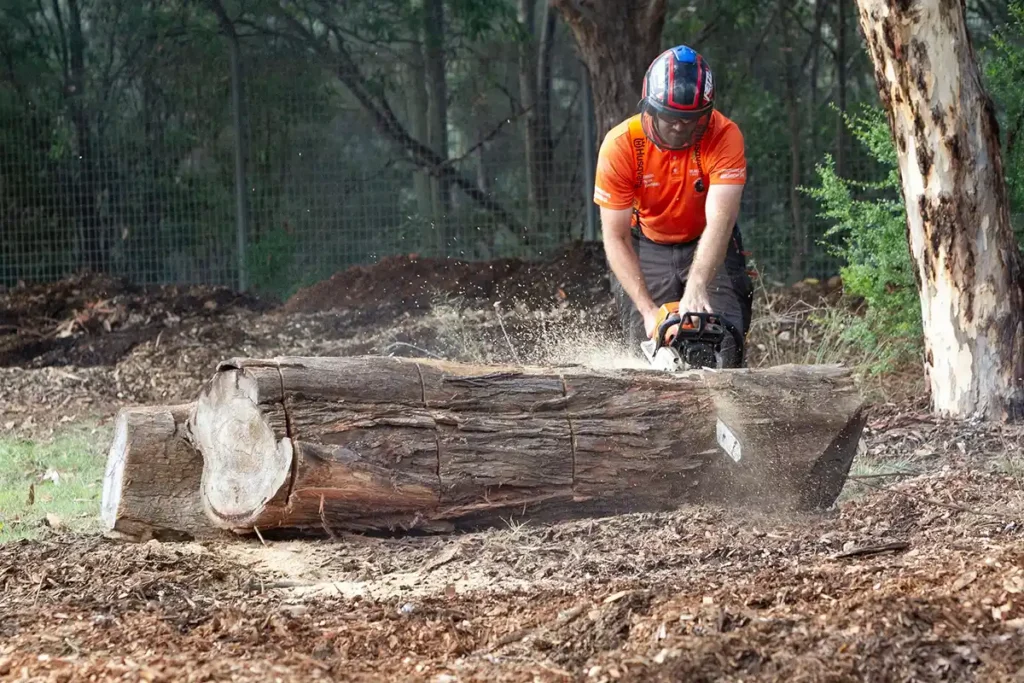
They should aim for targeted pruning that addresses a clear issue, such as clearance, structure, or deadwood, rather than broad canopy reduction. Scheduling outside peak nesting periods and using qualified contractors also helps.
A simple rule works well: if the pruning changes the tree’s overall shape, tree pruning Eastern Suburbs councils require permits first is the safest assumption.
What is the safest next step before they book a pruning crew?
They should check their local council’s tree controls, confirm whether the tree meets protected thresholds, and gather basic photos and measurements. If uncertainty remains, they can request council advice or engage an arborist to guide the application.
That small upfront effort is usually cheaper than fixing a breach later, especially in areas where tree pruning Eastern Suburbs councils require permits first is actively enforced.
Related : How Often Hedge Trimming Sydney Gardens Actually Need Attention