

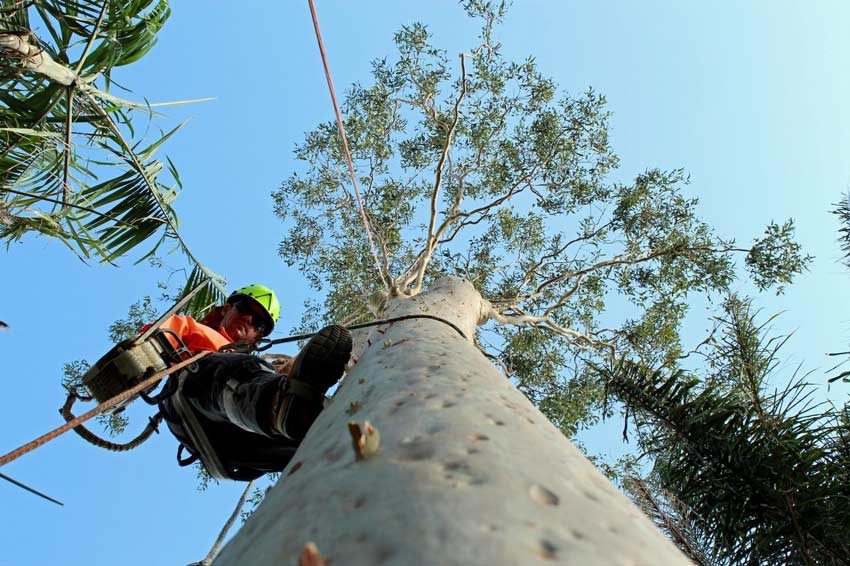
In Australia, a tree arborist should be able to show nationally recognised training, current safety tickets, and a clear understanding of local council rules. The details can vary by state and the type of work, so it helps to know what to look for before they quote.
What is a tree arborist in Australia?
A tree arborist is a trained professional who assesses, maintains, and manages trees in line with Australian standards and work health and safety laws. They may prune for structure, remove hazardous limbs, diagnose decline, or plan works around buildings and powerlines.
In practice, the role can range from a ground-based pruning specialist to a climbing arborist or consulting arborist who writes reports for councils, insurers, and developers.
What qualifications should they have for general tree work?
For most day-to-day pruning and removals, a tree arborist typically holds nationally recognised arboriculture units or a Certificate level qualification. These are delivered through Registered Training Organisations (RTOs) and align with industry expectations across Australia.
At a minimum, they should be able to explain what training they have completed, when they completed it, and how it relates to the work they are proposing on-site.
Which AQF certificates are most relevant for a tree arborist?
Common pathways sit within the Australian Qualifications Framework (AQF) and the AHC (Agriculture, Horticulture and Conservation and Land Management) training package. Many working arborists hold qualifications such as Certificate II, III, or IV in Arboriculture, depending on their responsibilities.
As responsibility increases, so does the expectation that they can plan jobs, supervise crews, and manage risk, not just operate equipment.
Do they need a Certificate III in Arboriculture?
For climbing and technical tree work, many clients and councils expect a Certificate III level background, even if it is not legally mandated in every situation. It is often treated as the baseline for a competent working tree arborist doing pruning and removals with ropes and harnesses.
If they do not hold it, they should clearly show an equivalent pathway, extensive experience, and current competency evidence for the specific tasks.
What extra qualifications should they hold for climbing and rigging?
Climbing, aerial rescue, and rigging require more than basic chainsaw knowledge. A competent tree arborist should have training in safe climbing systems, work positioning, controlled dismantling, and rescue procedures.
They should also be able to explain rigging limits, anchor choices, and drop-zone management in plain language, because that is where many serious incidents occur on suburban Australian jobs.
Which chainsaw tickets should a tree arborist have?
Chainsaw competency is central to tree work, and it should be current and relevant to how they use saws on the job. A tree arborist may hold units for operating a chainsaw on the ground, cross-cutting, felling (where applicable), and using a chainsaw from an elevated work position.
They should also be able to show that their saw use matches the method proposed, such as top-handled saws for climbing work and correct PPE for all operators.
What safety certifications are expected on Australian worksites?
They should be able to demonstrate a strong safety foundation, not just talk about it. Depending on the site, a tree arborist may need a White Card (construction induction), current first aid training, and documented procedures for hazard control.
On commercial or council sites, clients often expect SWMS (Safe Work Method Statements), risk assessments, and evidence that the business has an active safety system.
Should they have EWP and working-at-heights qualifications?
If they use an Elevated Work Platform, they should hold the right EWP training for the machine type and tasks being performed. A tree arborist should not be improvising in a boom lift without formal competency, because rescue and emergency response look different in an EWP.
Working-at-heights training can also matter when the job involves roof-adjacent access, steep terrain, or complex anchor systems beyond straightforward tree climbing.
What does AS 4373 mean, and should they follow it?
AS 4373 is the Australian Standard for pruning of amenity trees, and it sets expectations around pruning cuts, target outcomes, and avoiding unnecessary damage. A professional tree arborist should understand it and use it to justify pruning decisions, particularly when clients request heavy lopping.
If they cannot explain pruning objectives like clearance, risk reduction, or structural improvement, it is a sign they may be cutting for speed rather than tree health.
How important is insurance for a tree arborist?
Insurance is not a “nice to have” in tree work. A tree arborist should carry current public liability insurance that matches the risk profile of their work, and they should be willing to provide a certificate of currency.
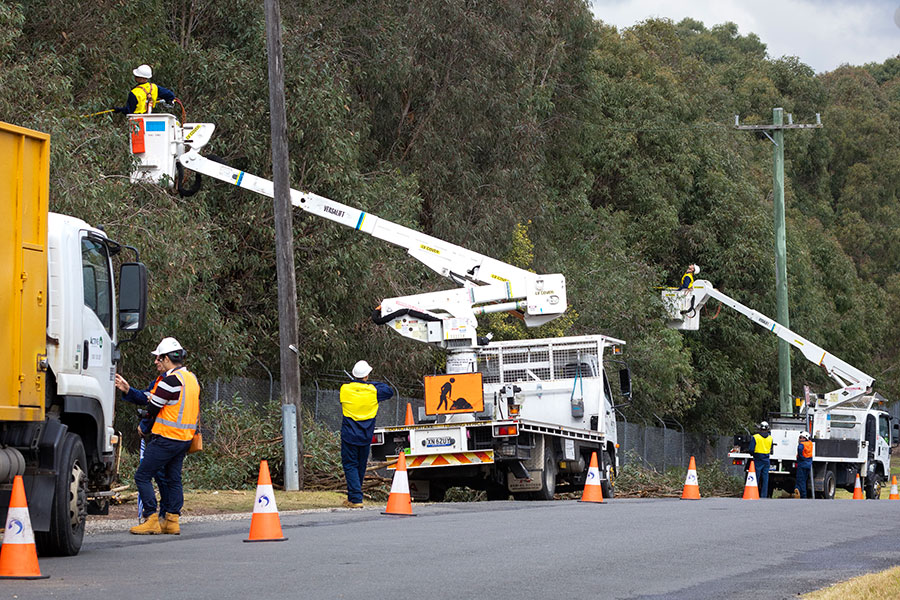
If they have staff, they should also have workers compensation in line with their state or territory requirements, particularly when engaging tree cutting services. Without it, the property owner can be exposed if something goes wrong.
Do they need council approval knowledge and permit experience?
Tree rules vary widely across Australia, even between neighbouring suburbs. A capable tree arborist should know how to check local council overlays, significant tree registers, and vegetation protection rules, then advise what approvals may be required before starting.
They should also understand that protected trees can involve penalties for unlawful removal, and they should be cautious about verbal assurances that “council will not care.”
What qualifications matter for a consulting arborist in Australia?
A consulting arborist is often engaged for tree risk assessments, development applications, and expert advice disputes. In many Australian contexts, higher-level qualifications and professional membership carry more weight, especially where reports may be reviewed by planners, engineers, or courts.
They should be experienced in writing defensible reports, applying accepted assessment methods, and referencing standards, not just providing informal opinions.
Should they hold TRAQ or other tree risk assessment credentials?
Tree risk is a specialised area, and clients should ask what method they use to assess risk and how they document it. Some Australian consultants use internationally recognised frameworks and may hold credentials like TRAQ, alongside local experience and an understanding of Australian conditions.
A tree arborist doing risk work should be able to separate likelihood, consequences, targets, and mitigation options in a way that is clear and evidence-based.
Does membership of Arboriculture Australia or ISA matter?
Membership does not automatically guarantee skill, but it can signal commitment to professional development and industry ethics. A tree arborist who is active with Arboriculture Australia, the International Society of Arboriculture (ISA), or similar bodies may be more likely to keep up with standards, research, and best practice.
It also gives clients another way to check legitimacy if they are unsure who they are hiring.
What red flags suggest they are not properly qualified?
If they cannot name their training, show evidence, or explain their method, that is a concern. Another red flag is pushing topping or aggressive lopping as a default solution, especially without discussing tree structure, regrowth risks, or standards.
They should also be wary if a tree arborist dismisses permits, cannot produce insurance, or appears to operate with minimal safety controls on-site.
What questions should clients ask before hiring them?
They should ask for specific proof, not general assurances. Helpful questions include: What qualifications do they hold, what is their experience with that species, what standards guide their pruning, and what insurances are current?
They should also ask how they will protect nearby assets, manage traffic or pedestrians if relevant, and what the clean-up and waste removal process includes.
How can they verify a tree arborist’s qualifications in Australia?
They can request copies of certificates, licences, and insurance documents, then check they are in date and match the proposed scope. They can also ask for recent references from similar Australian jobs, including council, strata, or commercial clients.
If the work is complex, they can request a written scope that explains the method, the pruning objectives, and how risk will be controlled from start to finish.
What is the simplest checklist for hiring the right person?
A reliable tree arborist should have relevant AQF training, task-specific competencies for climbing, rigging, and chainsaw use, and a clear approach to safety and standards. They should also carry appropriate insurance and understand local council rules in the suburb where the work will happen.
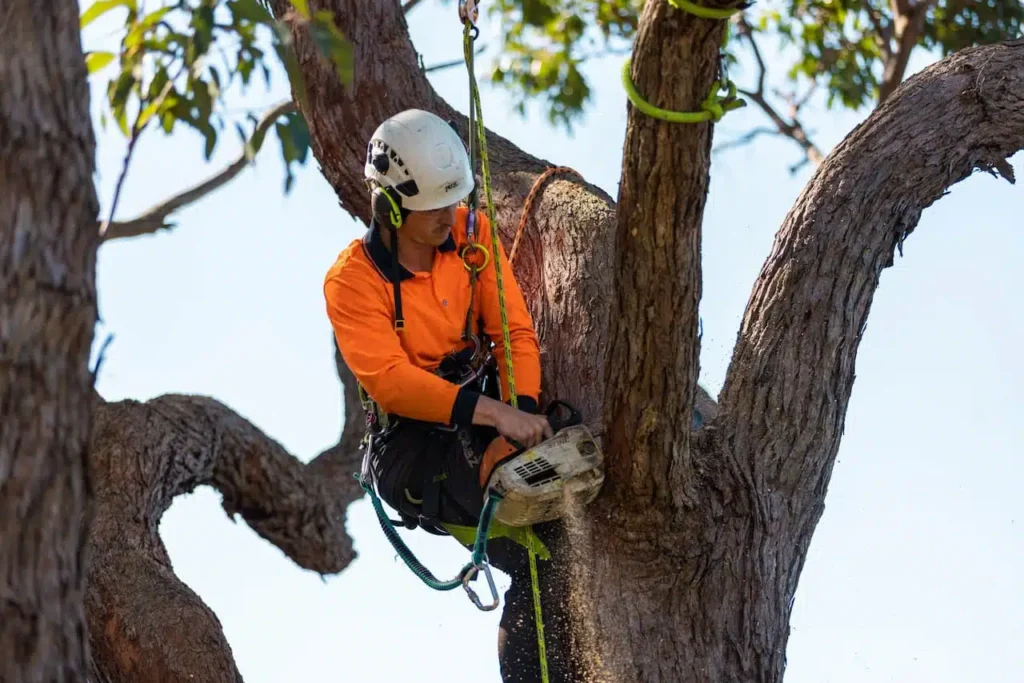
If they can show evidence, explain the plan clearly, and refuse unsafe shortcuts, they are far more likely to deliver a safe, compliant outcome.
FAQs (Frequently Asked Questions)
What is a tree arborist in Australia and what roles do they perform?
A tree arborist in Australia is a trained professional who assesses, maintains, and manages trees according to Australian standards and work health and safety laws. Their roles include pruning for structure, removing hazardous limbs, diagnosing tree decline, and planning works around buildings and powerlines. They can range from ground-based pruning specialists to climbing arborists or consulting arborists who prepare reports for councils, insurers, and developers.
What qualifications should a tree arborist hold for general tree work in Australia?
For most day-to-day pruning and removals, a tree arborist typically holds nationally recognised arboriculture units or a Certificate level qualification delivered through Registered Training Organisations (RTOs). These qualifications align with industry expectations across Australia. At minimum, the arborist should be able to explain their training, when it was completed, and how it relates to the proposed on-site work.
Why is a Certificate III in Arboriculture important for climbing and technical tree work?
Many clients and councils expect a Certificate III level qualification as the baseline for competent climbing and technical tree work involving ropes and harnesses. Although not legally mandated everywhere, it demonstrates that the arborist has the necessary skills. If an arborist does not hold this certificate, they should provide evidence of equivalent training, extensive experience, and current competency for specific tasks.
What additional training should a climbing arborist have beyond basic chainsaw knowledge?
Climbing arborists should have training in safe climbing systems, work positioning, controlled dismantling, aerial rescue procedures, rigging limits, anchor choices, and drop-zone management. This specialized training helps prevent serious incidents common on suburban Australian jobs involving climbing and rigging.
Which safety certifications are expected from tree arborists on Australian worksites?
Tree arborists should demonstrate strong safety foundations by holding current certifications such as a White Card (construction induction), first aid training, and documented hazard control procedures. On commercial or council sites, clients often expect Safe Work Method Statements (SWMS), risk assessments, and evidence of an active workplace safety system.
How important is insurance for a tree arborist in Australia?
Insurance is essential in tree work. A professional tree arborist should carry current public liability insurance appropriate to their risk profile and provide certificates of currency when requested. If they employ staff, workers compensation insurance compliant with state or territory requirements is also necessary. Without proper insurance coverage, property owners may be exposed to liability if accidents occur.
<script type="application/ld+json">
{
  "@context": "https://schema.org",
  "@type": "BlogPosting",
  "mainEntityOfPage": {
    "@type": "WebPage",
    "@id": "https://naherpetology.org/what-qualifications-should-a-tree-arborist-hold-in-australia/"
  },
  "headline": "What Qualifications Should a Tree Arborist Hold in Australia?",
  "image": [
    "https://naherpetology.org/wp-content/uploads/2026/08/arborist-climbing-eucalyptus-tree.jpg",
    "https://naherpetology.org/wp-content/uploads/2026/08/79-active-tree-services-ats-vegetation-management-trees-arborist-australia-cutting-pruning-ewp-chipper-urban-forestry-maintenance-arboriculture-nsw-qld-vic-tas-sa.jpg",
    "https://naherpetology.org/wp-content/uploads/2026/08/Renniebros-Social-2.webp"
  ],
  "author": {
    "@type": "",
    "name": "Kelly P. Bundy",
    "url": "https://naherpetology.org/author/admin/"
  },
  "publisher": {
    "@type": "Organization",
    "name": "NA Herpetology",
    "logo": {
      "@type": "ImageObject",
      "url": "https://naherpetology.org/wp-content/uploads/2025/12/logo1.png"
    }
  },
  "datePublished": ""
}
</script>