Tree removal services Hills District residents book range from a single small tree in a Kellyville backyard to large gum dismantling on acreage around Dural, Glenorie, Kenthurst and Annangrove. The correct approach depends on the tree’s condition, local approval, access and the surrounding property.
The Hills includes new estates, established leafy suburbs and semi-rural blocks. A wide driveway may make a removal cheaper, while a mature gum above a house may require the same complex rigging found in inner Sydney. Rural land can also bring biodiversity and bushfire obligations that do not apply to a standard suburban yard.
Common Trees and Problems
Blue gums, forest red gums, ironbarks and turpentines may be remnant native canopy and can be protected. Camphor laurels and privets may be environmental weeds. Radiata pines and cypress windbreaks can become tall, top-heavy and vulnerable to wind. Liquidambars and Chinese tallow may develop surface roots that lift paths and driveways.
Older Dural and Glenorie properties may contain declining orchard trees, while new estates often have trees planted in small gardens that cannot support mature growth. Removal is not the only response. Pruning, staged replacement or a better planting plan may solve the problem.
Hills Shire Approval Rules
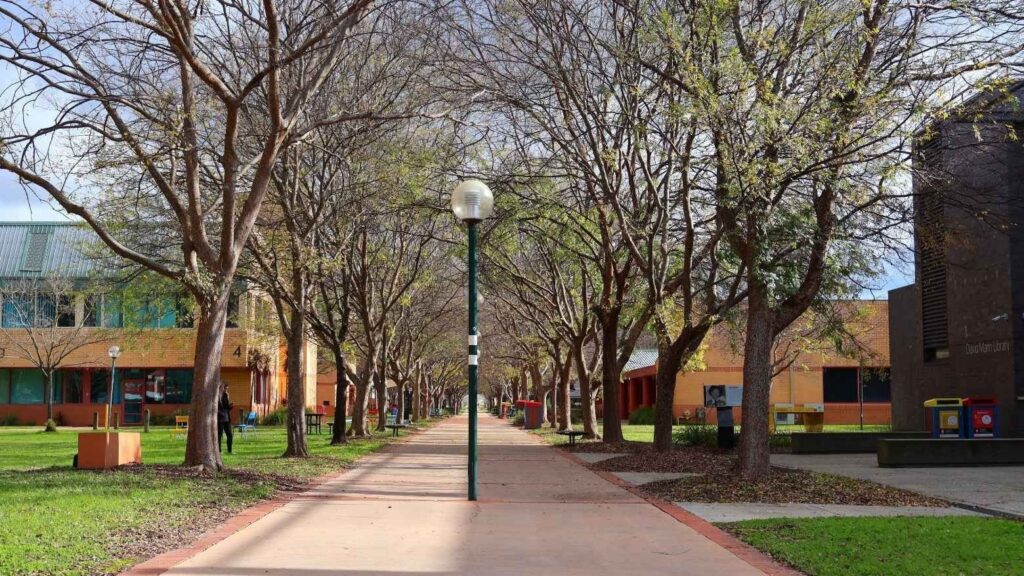
The Hills Shire has local controls around tree removal, pruning and changes to soil levels near protected trees. Review The Hills Shire information about trees on private land before starting work. The broader NSW Government tree-removal referral provides context, but local rules control the application.
Do not assume that a dead or dangerous tree is automatically exempt without evidence. Take clear photographs and retain a written assessment. Building a pool, driveway or retaining wall near a tree may also require consideration of roots and soil levels even if the tree itself is not being cut.
Acreage Work Versus Suburban Work
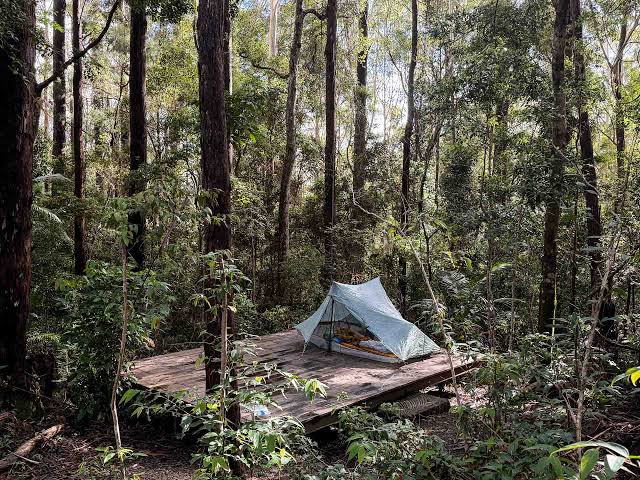
On acreage, tree removal services Hills District contractors may clear fence lines, reduce windbreaks, create asset-protection zones or process trees with forestry equipment. Open ground can allow directional felling, which is faster than dismantling. Chipping or mulching on site can reduce disposal fees.
Rural work still needs careful planning. Native vegetation rules, threatened ecological communities, biodiversity mapping and bushfire requirements may apply. Do not clear beyond the property boundary or into a reserve. Confirm the relevant approval before machinery enters the block.
How a Safe Job Runs
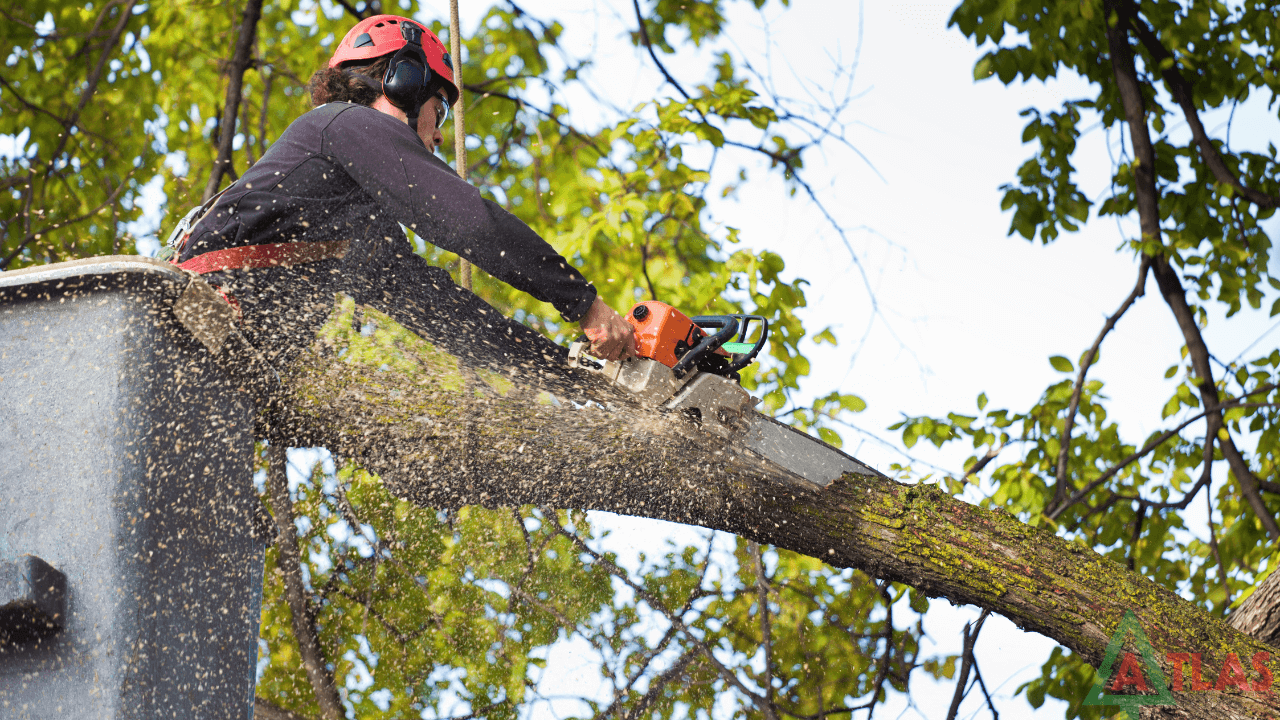
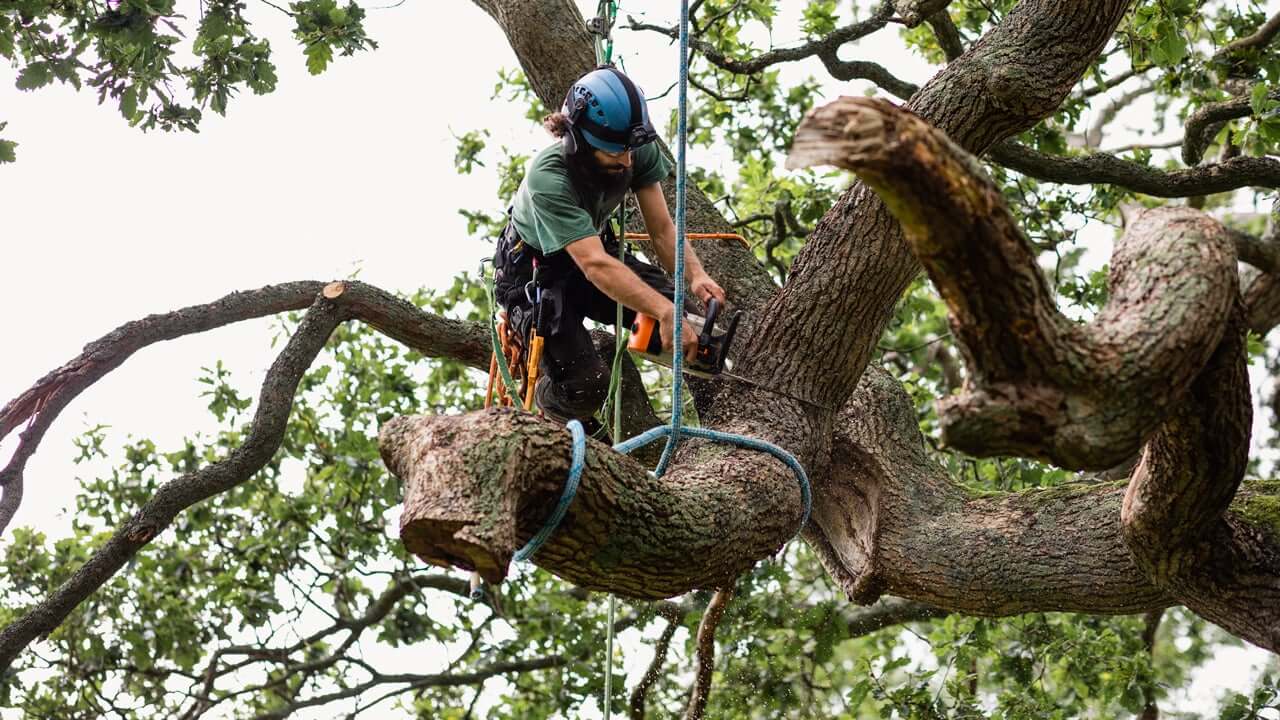
The crew inspects the tree, identifies targets and establishes a drop zone. A tree over a roof is dismantled in sections, with limbs lowered by rope. A tree in open ground may be felled directionally if the escape route and landing area are suitable. Chippers, trucks and excavators need stable positioning.
The Safe Work Australia tree-work guide covers falls, falling objects, chainsaws, chipping and removal. Ask for a clear exclusion zone, appropriate PPE and a method suited to the site.
Cost Guide
Small trees may cost $400 to $850. Medium trees often cost $850 to $2,000. Large gums over structures can range from $3,000 to $9,000. Acreage clearing is commonly priced by day, with crew and machinery around $2,000 to $4,000 per day. Stump grinding may be separate.
Access is a major advantage on many rural blocks, but travel, machinery mobilisation, disposal and terrain can add cost. Ask whether the quote is per tree, per day, per hectare or based on a measured scope.
Comparing Tree Removal Services
Request a written quote identifying the trees, method, equipment, clean-up and disposal. Confirm whether chip remains, whether logs are stacked and whether stump grinding is included. Ask for public liability insurance and workers compensation details. If a report or council application is needed, clarify who prepares it.
The NSW EPA garden-organics guidance explains why waste must reach a lawful facility. Rural land is not a licence to dump green waste in a gully or reserve.
Development in the Hills
Growth around Box Hill, North Kellyville, Rouse Hill and nearby areas creates frequent tree and construction conflicts. If a tree is inside a proposed footprint, removal may be assessed through the development application. Retained trees need protection fencing, ground protection and restrictions on storage and excavation.
A project arborist should be involved before earthworks begin. Root damage may not show immediately, but can kill a tree slowly and create approval problems later.
Canopy and Reuse
Healthy trees provide shade, cooling and habitat. Research from Western Sydney University on tree cooling helps show the practical value of retaining canopy in growing suburbs. Ask whether selective pruning, habitat retention or replacement planting can improve the outcome.
Clean chip can be left as surface mulch. Keep it away from trunks and structures. Suitable ironbark and gum rounds can be kept for firewood, reducing disposal volume.
Red Flags
Avoid cash-only operators, no-inspection quotes, unsupported claims that every tree is exempt, unsafe ladder work and contractors who cannot explain where waste goes. Be cautious of anyone who recommends clearing an entire acreage block without discussing native vegetation and bushfire requirements.