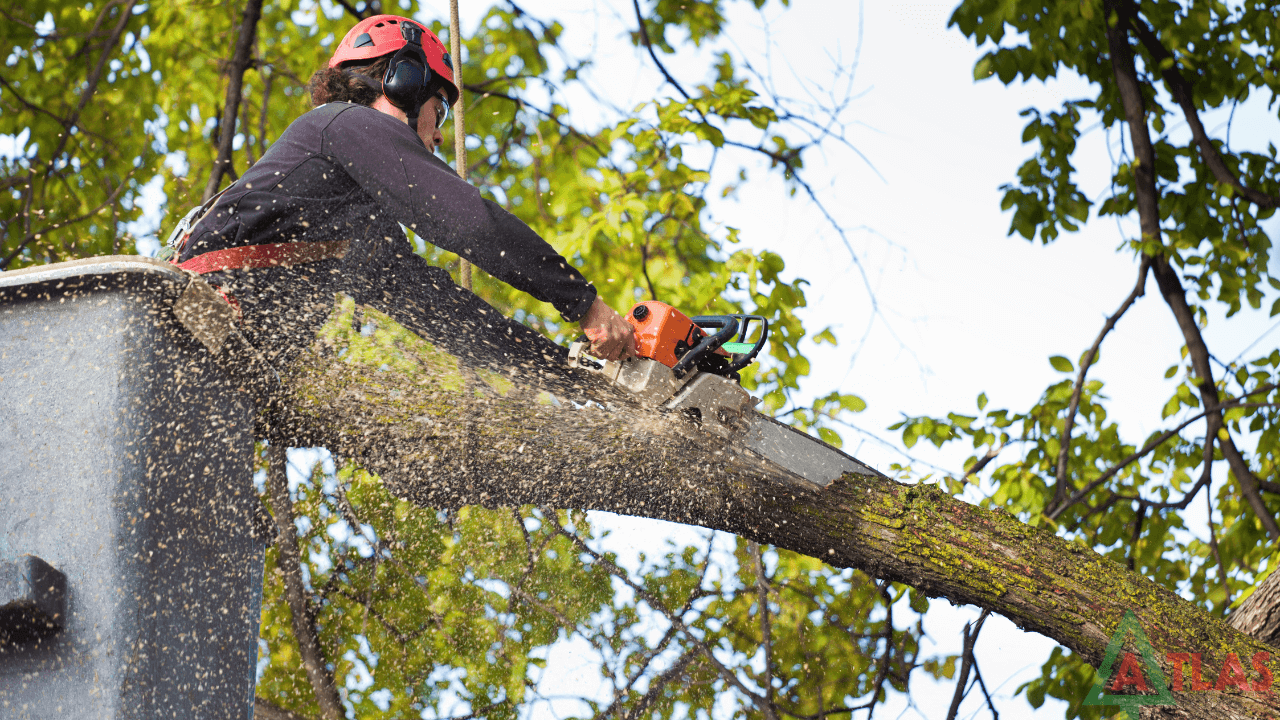
Tree removal North Shore work is rarely simple. Mature gums, turpentines, figs and other large trees grow on steep sandstone blocks, often close to houses, pools, retaining walls and neighbouring properties. A safe removal plan must account for the tree, the slope, the access route and the consequences of every cut.
Homeowners in Ku-ring-gai, Chatswood, Willoughby, Mosman, North Sydney, Hornsby and surrounding suburbs should expect a proper inspection before accepting a quote. A contractor who can see only the front of the property cannot reliably judge the job.
Common North Shore Tree Issues
Native canopy trees may have deadwood, cavities, included bark or storm-damaged limbs. Figs can develop heavy branches and broad roots. Turpentines and ironbarks are dense hardwoods that produce heavy timber. Some older pines are tall, top-heavy and vulnerable to windthrow. Construction and landscaping can also compact soil or cut roots, reducing stability over time.
Removal may be appropriate where a defect cannot be managed, but a healthy mature tree should not be removed merely because it is large or drops leaves. Ask whether deadwooding, crown reduction, selective removal or support could address the concern.
Difficult Access and Sandstone Blocks
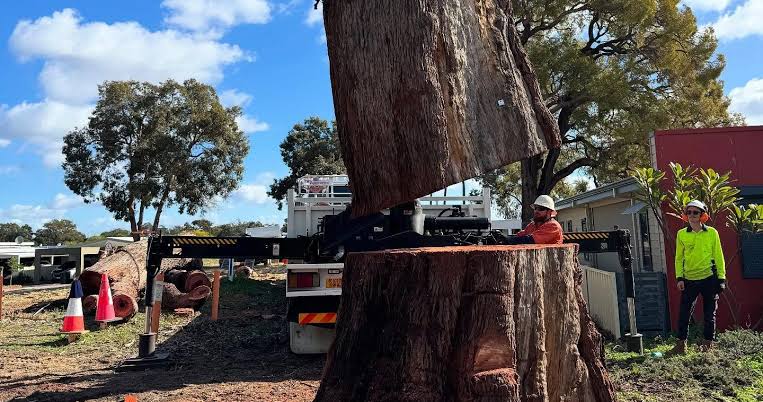
North Shore properties often have steep driveways, stairs, rock shelves and narrow side passages. A chipper may need to remain at the street while branches are carried uphill or downhill. On a steep block, timber can roll or slide, so the drop zone and escape routes need careful planning.
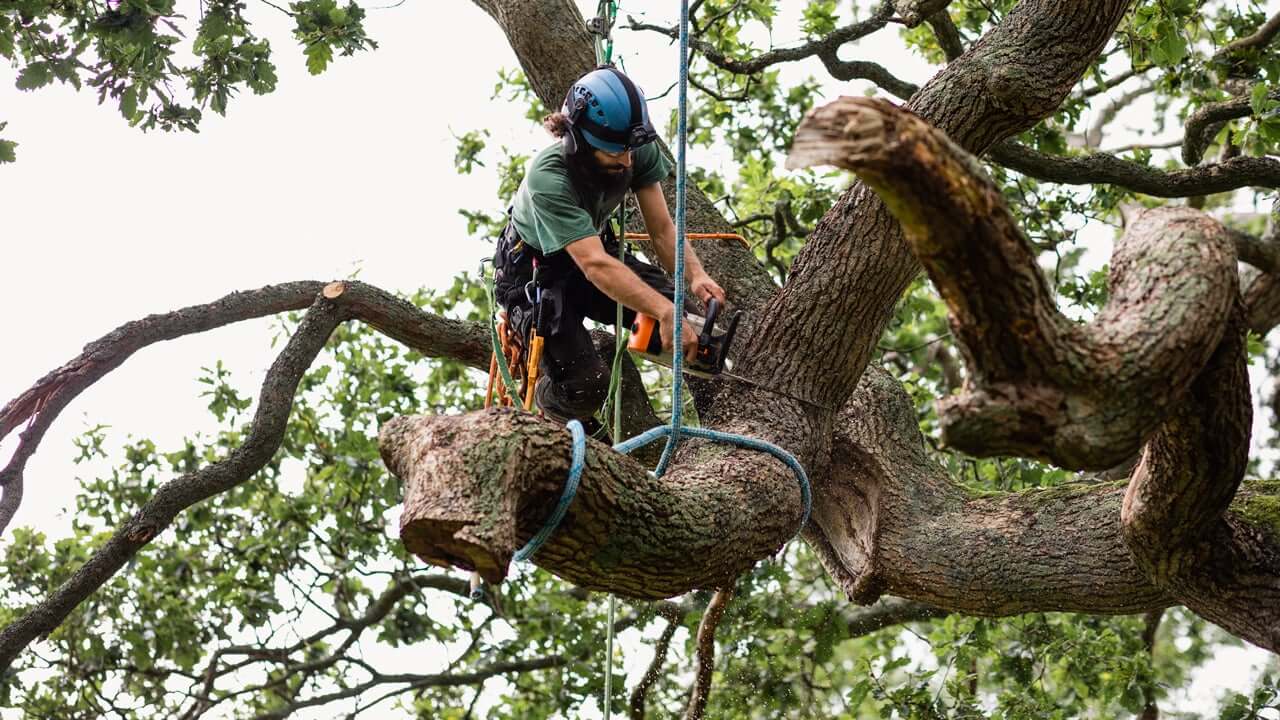
Trees over homes are commonly dismantled from the top. Limbs are attached to ropes, cut and lowered through a controlled system. Larger sections may need rigging, winching or crane assistance. These methods take more time than open-ground felling but protect roofs, windows, fences and gardens.
Council Approval
Ku-ring-gai, Willoughby, Mosman, North Sydney and Hornsby councils have their own controls. Use the NSW Go vernment tree-removal referral information, then read the current local rules. Heritage listings, significant trees, bushland and development sites may require reports or additional permission.
A professional contractor raises the approval question before quoting. If the tree is dead or immediately dangerous, photograph the condition and retain written advice. Do not rely on a vague statement that “North Shore trees are exempt” because local rules and species lists change.
Safety on the Site
The Safe Work Australia tree-work guide covers falls, falling objects, lopping, removal, chipping and stump grinding. Look for an exclusion zone, helmets, eye and hearing protection, controlled lowering and clear communication.
Ask how the crew will protect sandstone walls, paving and gardens. Confirm whether the chipper can reach the material and whether mats will protect soft ground. Power lines require additional care and should never be treated casually.
Price Guide
Small trees with clear access may cost $500 to $1,000. Medium removals often range from $1,200 to $3,500. Large trees over buildings can cost $5,000 to $12,000 or more. Stump grinding, cranes, traffic control, handcarrying and difficult disposal may be additional.
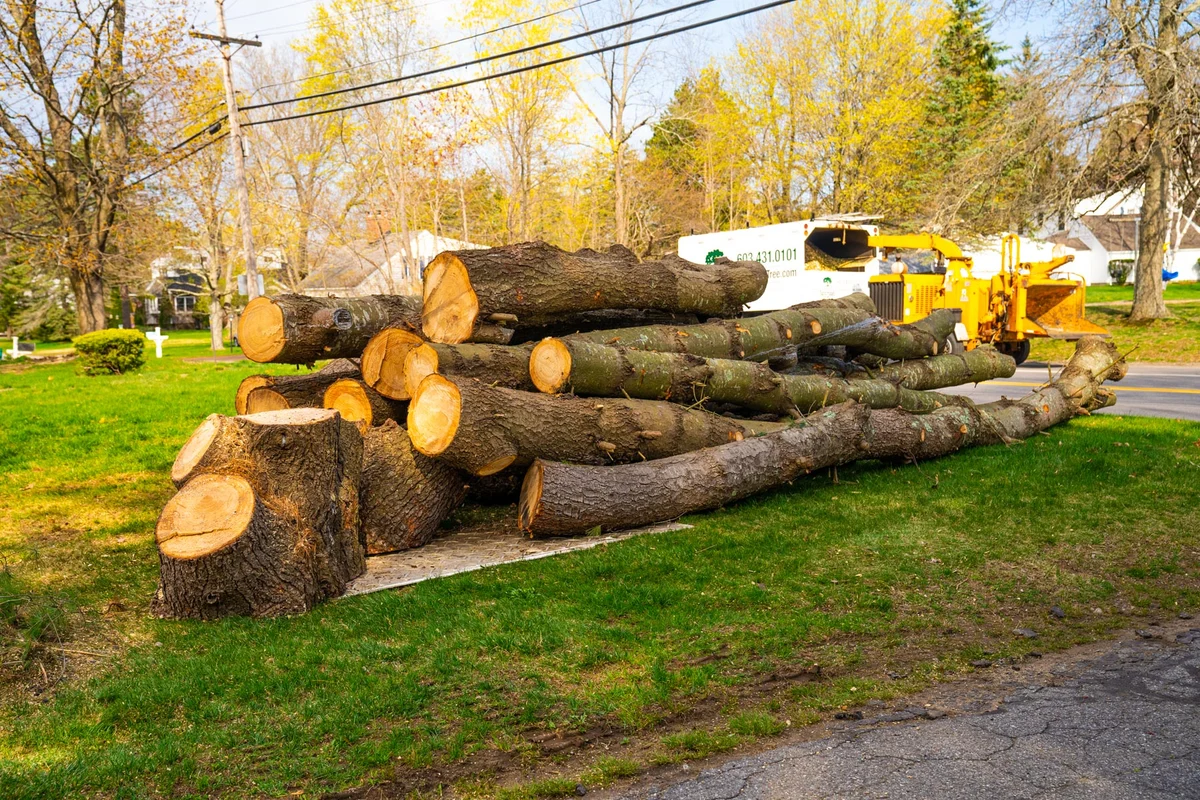
The tree removal North Shore price is driven as much by risk and access as by height. A tall tree in an open section may be cheaper than a shorter tree above a tiled roof. Dense hardwood also takes longer to cut and produces heavy rounds.
Request at least two written quotes with the same scope. Compare insurance, method, equipment, clean-up and disposal, not only the final number.
What Should Be in the Quote?
The quote should identify the tree, describe removal or pruning, list equipment and state whether branches and logs are removed. Ask if the stump is included, what depth applies and whether grindings are taken away. Confirm fence access, crane hire, traffic management, council fees and turf or garden repairs.
The NSW EPA garden-organics guidance is useful when asking where the material goes. A legitimate operator should identify the type of facility receiving the green waste.
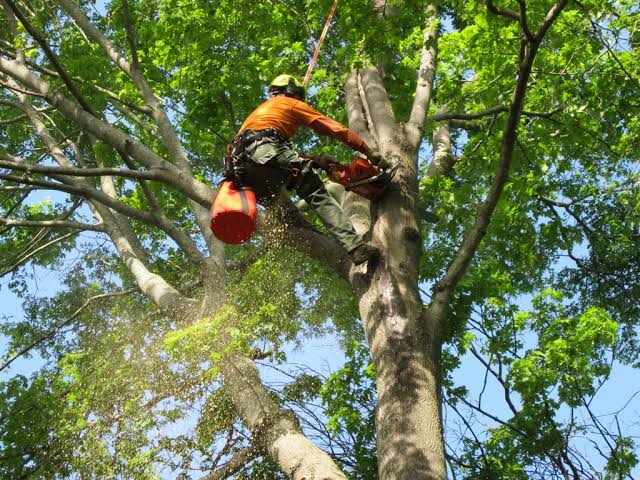
Retaining Canopy Where Possible
The North Shore’s mature canopy contributes shade, habitat and streetscape character. Research from the University of Technology Sydney urban tree-canopy project supports treating urban trees as useful infrastructure rather than disposable material.
Ask about selective deadwooding, reduction, cabling, bracing, soil decompaction and habitat-pole retention. These options are not suitable for every tree, but they deserve consideration before complete removal.
Selecting a Contractor
Request public liability insurance, workers compensation details and evidence of relevant arboricultural training. Ask who will climb and whether the crew has experience with steep sandstone blocks. Avoid operators who quote from the street, recommend topping as a standard solution or refuse to discuss council approval.
The University of Melbourne arboriculture program shows the specialist nature of modern tree management. Practical North Shore experience is equally valuable because local access and species create unusual challenges.