Hedges can make a Sydney yard feel finished, private, and calm, but only if they are kept in shape. The right schedule for hedge trimming Sydney gardens depends on plant type, growth speed, and where the hedge sits on the property.
Most Sydney households do best with light, regular cuts rather than big seasonal hacks. That approach keeps hedges dense, avoids bare patches, and reduces green waste.
How often should hedge trimming happen in Sydney gardens?
Most hedges in Sydney need trimming every 6 to 10 weeks through the warmer growing months. Slower hedges may only need attention every 10 to 14 weeks, especially in cooler or shaded spots.
For a neat “formal hedge” look, they will usually trim more often. For a softer, natural shape, they can stretch the schedule without harming the hedge.
What changes the ideal hedge trimming schedule most?
Growth rate and sunlight change the schedule more than anything else. A hedge in full sun, watered regularly, and fed with fertiliser will push new growth fast, so Sydney hedge trimming properties often becomes more frequent in spring and early summer.
Coastal exposure, wind, and sandy soils can slow growth, while sheltered inner-suburban gardens often grow quickly. Irrigation systems also make a big difference.
Which seasons matter most for hedge trimming in Sydney?
Spring is the biggest growth surge for many common Sydney hedges, so trimming often starts ramping up from September. Summer stays busy too, particularly after rain and humidity.
Autumn usually slows down, and winter can be minimal for some varieties. Many households still do a tidy winter cut, but they avoid heavy pruning when growth is sluggish.
How does hedge type affect how often it needs trimming?
Different hedges behave very differently, even on the same street. That is why hedge trimming Sydney schedules should be based on species, not just appearance.
Fast growers like lilly pilly cultivars can need frequent shaping, while slower growers like some viburnum types may hold their form longer. Conifers can be less forgiving if cut too hard, so they often prefer smaller, regular trims.
How often do lilly pilly hedges usually need trimming in Sydney?
Lilly pilly hedges commonly need trimming every 4 to 8 weeks in the main growing season to stay crisp. If they are being kept as a tall privacy wall, they may need even more frequent tip pruning to keep density.
When households let lilly pilly run too long between cuts, it often grows leggy. That makes the next trim more stressful and can increase the chance of patchiness.
How often do viburnum hedges typically need trimming?
Viburnum hedges often suit a 8 to 12 week rhythm in Sydney, depending on sun and watering. Many people choose viburnum because it holds a fuller look without constant attention.
If they want a sharper edge, they can trim more often with light cuts. If they prefer a softer look, viburnum usually tolerates fewer trims.
How often do murraya (orange jasmine) hedges need attention?
Murraya can grow quickly in warm, humid conditions, so many Sydney gardens need trimming every 6 to 10 weeks. When it is flowering, some households delay trimming so they do not remove buds and blooms.
If they trim lightly and regularly, murraya stays dense and easier to manage. If they leave it too long, the next cut can be heavier and reduce flowering for a while.
How often do conifer and cypress hedges need trimming?
Many conifers prefer 1 to 3 trims per year, with small touch-ups if needed. They do not always respond well to harsh cutting into old wood, so hedge trimming Sydney conifer hedges is often about gentle shaping rather than aggressive reduction.
If they need height control, it is usually best handled early, before the hedge becomes too tall and hard to safely reach.
How can they tell their hedge needs trimming right now?
A hedge usually signals it needs a trim when new growth starts softening the edges and blocking paths, windows, or garden beds. Another clear sign is when the top grows faster than the sides and starts shading the lower foliage.
If they run a hand along the face of the hedge and it feels uneven or lumpy, it is often time. If the hedge is pushing into gutters, fences, or driveways, it is overdue.
What happens if they trim too often?
Too-frequent trimming can stress some species, especially if they are cutting hard each time. It can also remove flowers and new leaf flush that the hedge uses to recover, and it may increase water needs in summer.
That said, frequent light tip pruning is different. Many Sydney hedges respond well to small regular cuts, which is why hedge trimming Sydney professionals often recommend “little and often.”
What happens if they leave hedge trimming too long?
When hedges go too long between trims, they often become top-heavy and sparse underneath. The next cut then has to remove a lot of growth, which can expose bare wood that does not easily reshoot.
Delaying also increases workload and green waste. For many households, catching hedges earlier makes the job faster, cheaper, and cleaner.
How does hedge height and access change the trimming frequency?
Taller hedges often need more frequent shaping because wind can push growth unevenly and new shoots become harder to cut safely once they harden. Access also matters, since a hedge along a steep slope, pool fence, or narrow side path is harder to maintain.
Where access is difficult, they might trim less often but plan for longer visits. This is a common reality for hedge trimming Sydney homes with tight terrace side yards or long boundary lines.
How does weather in Sydney affect timing and frequency?
Heat, humidity, and rain can speed growth, so hedges may need trimming sooner after wet periods. Dry spells can slow growth, but they can also stress the hedge, making heavy trimming risky.
Many gardeners avoid trimming on extreme heat days to reduce scorch. They also avoid cutting right before heavy rain if disease pressure is high, especially for dense hedges with limited airflow.
Should they trim before or after fertilising and watering?
They usually get the best result by trimming first, then watering well and feeding lightly. Trimming triggers fresh growth, so it helps to support recovery with moisture and nutrients, particularly in sandy coastal Sydney soils.
If they fertilise heavily before trimming, they may encourage extra growth that is immediately removed. For consistent results, hedge trimming Sydney routines often pair a trim with follow-up care.
Other Resources : Soil management guides
How can they set a simple year-round hedge trimming plan in Sydney?
A workable plan is to trim more often from spring through early autumn, then reduce in winter. Many households aim for a light trim every 6 to 10 weeks during the main season, then one winter tidy if needed.
They can also adjust by species. Fast growers get shorter intervals, slower growers get longer intervals, and conifers get fewer, gentler cuts.
What tools and cut style help reduce how often trimming is needed?
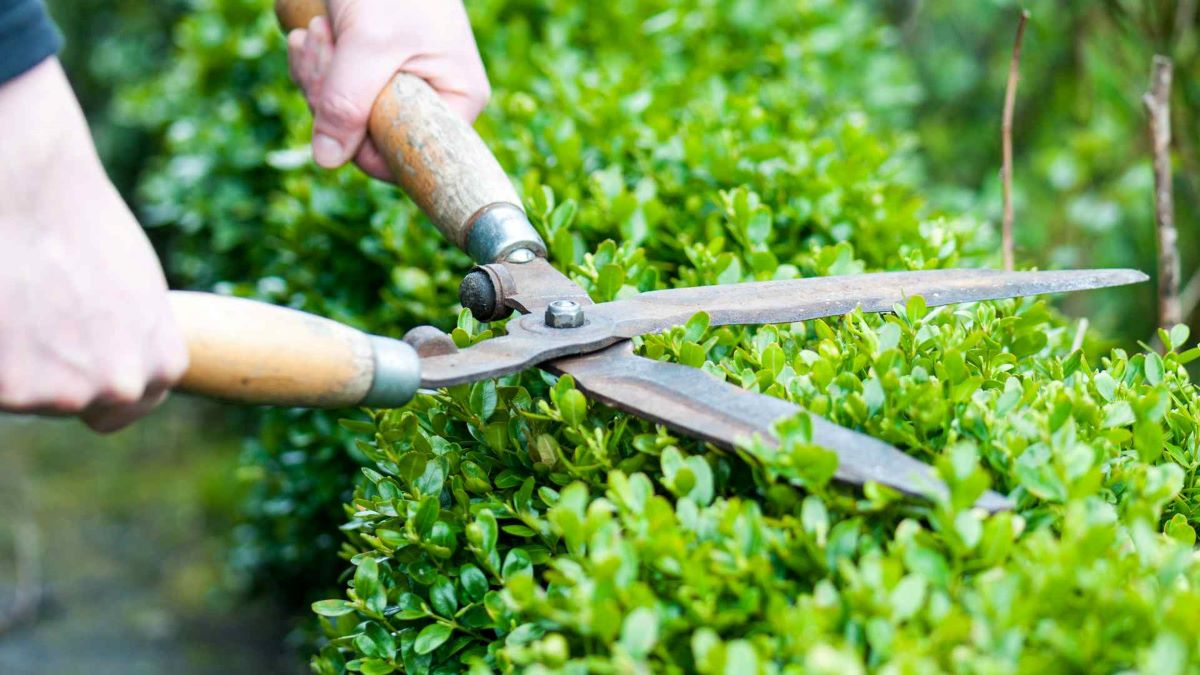
Sharp tools and consistent technique can make the hedge hold its shape longer. Clean cuts reduce ragged tips and browning, and a slight taper, wider at the base than the top, helps light reach lower leaves.
When they keep the hedge dense from the start, it stays easier to manage. This is why hedge trimming Sydney specialists often focus on shape and taper, not just height control.
When should they call a professional for hedge trimming?
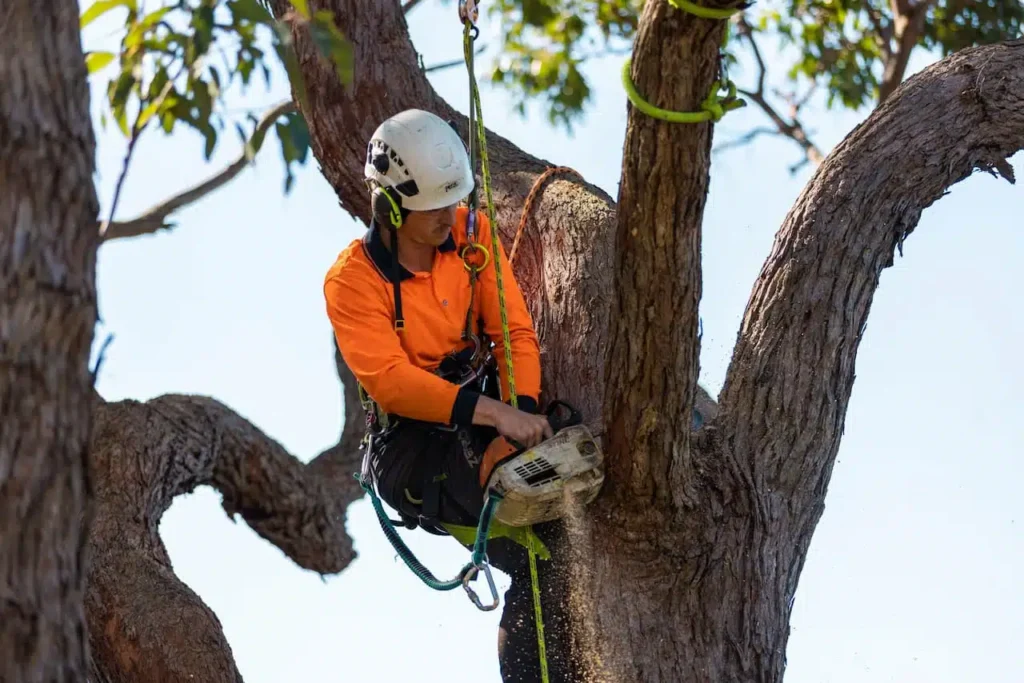
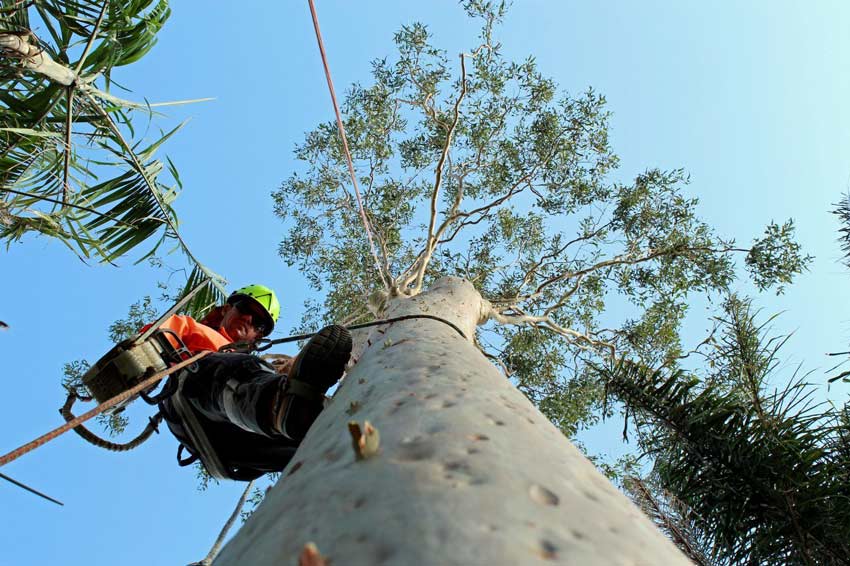
They should consider a professional when hedges are tall, close to power lines, or require ladder work. It is also useful when a hedge needs renovation, height reduction, or a corrective shape after years of uneven growth.
Professionals can also help choose the right trimming window for each species. For many properties, booking hedge trimming Sydney services a few times a year keeps the hedge healthy while reducing the risk of damage from DIY overcutting.
What is the realistic takeaway for Sydney hedge maintenance?
Most Sydney hedges need attention every 6 to 10 weeks during active growth, with fewer trims in cooler months. The best routine is the one that matches the hedge species, sun exposure, and the look they want.
With a simple plan and regular light shaping, hedge trimming Sydney gardens becomes predictable, quicker, and far less stressful.
More to Read : Why Tree Pruning Eastern Suburbs Councils Require Permits First