Tree removal in Sydney is priced by risk and effort, not just by a simple “per tree” rate. Contractors typically calculate the cost by looking at access, tree size, hazards, disposal needs, and the rules that apply to that specific property.
Because every site is different, two similar trees can cost very different amounts to remove. The sections below break down the key factors that usually change the final quote.
What are they actually paying for in a tree removal quote?
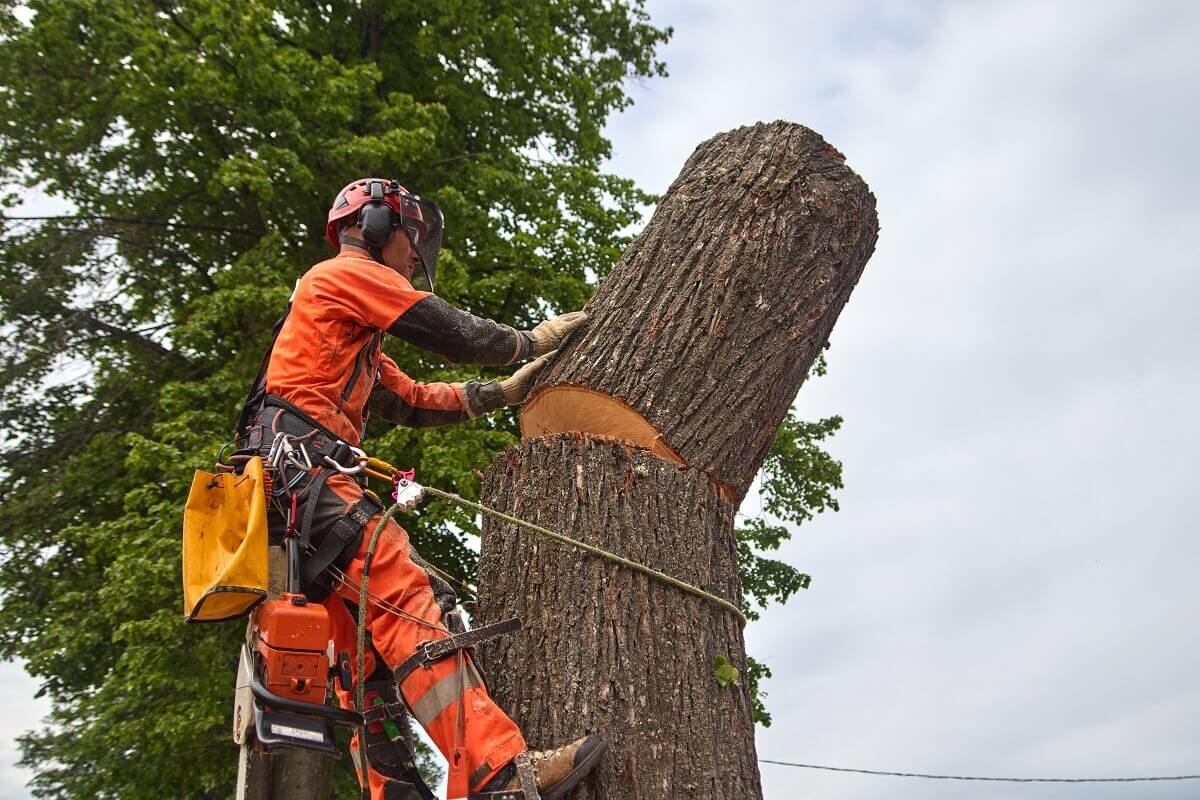
They are paying for labour, equipment, safety controls, and liability, plus what happens to the waste afterwards. A tree removal Sydney cost quote often includes the climber or crew, rigging gear, chainsaws, a chipper, traffic control if needed, and time spent protecting nearby structures.
It may also include stump grinding, log removal, site clean-up, and tipping fees. The bigger the safety plan, the higher the price tends to go. To better understand how tree removal quotes are structured and what factors influence pricing, you can learn more about professional tree removal services and industry practices.
How does tree size and species change the cost?
Larger trees usually cost more because they take longer and require heavier rigging and more crew. Height and trunk diameter both matter, but canopy spread can be just as important when branches must be lowered in small sections.
Species can affect difficulty too. Some timbers are denser and slower to cut, while others are brittle and riskier to dismantle near roofs, fences, or power lines.
How does access to the tree affect pricing on different properties?
Access is one of the biggest cost drivers because it determines how efficiently equipment and debris can move. If they can back a truck and chipper close to the tree, the job is typically faster and cheaper.
If access is restricted by narrow side paths, steep blocks, stairs, locked gates, or landscaping, they may need extra labour to drag branches out by hand. That extra time can quickly add to the quote. It also helps to understand the long-term risks of leaving a tree stump behind, especially when decay, regrowth, and pest issues can create problems later.
How do hazards like powerlines and structures increase the price?
Hazards increase price because they increase risk and slow the process of removal. Trees close to homes, sheds, pools, glass balustrades, or retaining walls are often dismantled piece by piece with controlled lowering.
If the tree is near overhead power lines, they may need additional safety measures and coordination. In some cases, specialist crews or extra planning is required, and that complexity is reflected in the cost.
Why does the tree’s condition matter (dead, storm-damaged, or unstable)?
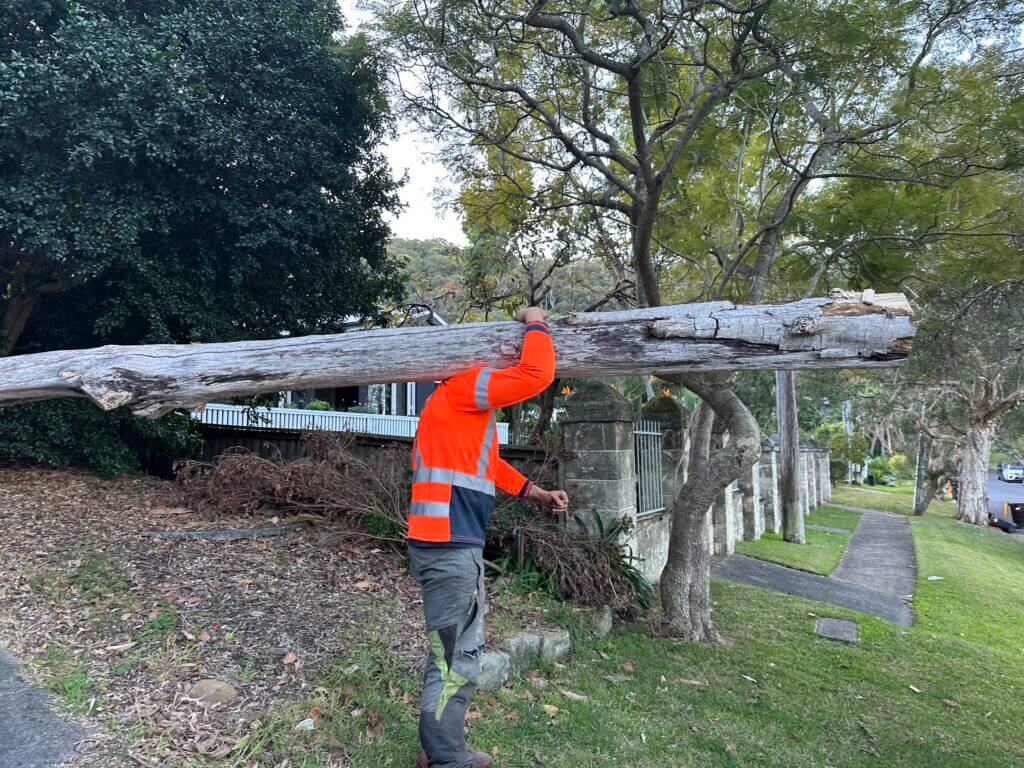
Dead or storm-damaged trees can be unpredictable, which makes them more dangerous to climb and rig. Unstable trunks, hollow sections, split unions, or leaning trees may require a different approach, sometimes using elevated work platforms or alternative tie-in methods.
Because safety measures increase and the margin for error is lower, the final price for hazardous trees is often higher than for healthy ones of the same size.
How does the type of property change the tree removal calculation?
Property type changes access, risk, and compliance, which directly affects cost. A straightforward backyard job on a flat block can be priced very differently from work on a strata complex or commercial site with strict safety and scheduling requirements.
Contractors typically adjust their quote based on who must be notified, where equipment can be placed, and what public safety controls are required.
How is tree removal priced for small residential blocks and townhouses?
For smaller blocks and townhouses, the main cost factor is usually access. Tight side passages, nearby fences, and neighbours’ property lines can force a careful sectional removal instead of a simple drop.
They may also need to manage noise and working hours, which can reduce productivity. Waste removal can be more expensive too if trucks cannot park close or if there is limited space to stage branches.
How is tree removal priced for large residential properties and acreage?
On larger properties, access is often easier and there is more room to work, which can lower time spent on rigging and debris handling. If they can use machinery, they may remove trees more efficiently.
However, large blocks can still cost more if the tree is very large, far from vehicle access, or located on slopes or creek lines. Distance from the road can increase labour if everything must be carried out.
How is tree removal priced for strata buildings and shared complexes?
Strata sites often cost more because they involve extra planning and risk controls. They may need to protect shared driveways, garages, pedestrian areas, and common property landscaping, and they may require formal documentation for approval.
They may also need spotters, signage, or temporary exclusion zones. Scheduling constraints and resident coordination can add time, which can increase the overall quote.
How is tree removal priced for commercial sites and schools?
Commercial sites, schools, and facilities are often priced with stricter safety requirements in mind. They may require work outside peak hours, additional barriers, more staff on-site, or specific reporting.
Public-facing sites may also need more controlled traffic and pedestrian management. Those requirements can be a bigger cost factor than the tree itself.
How do council approvals and protected trees influence the final cost?
Approvals can add cost because they add time and administration. If a tree is protected, they may need to check council rules, lodge an application, or obtain an arborist report before removal can legally occur.
Even when permission is granted, protected-tree jobs can involve stricter conditions about how work is done or how the site is restored. Those conditions can affect pricing.
What add-ons commonly change the price (stump grinding, wood removal, clean-up)?
Add-ons often make the difference between a “basic removal” quote and a fully finished job. Stump grinding is frequently priced separately because it depends on stump size, access, and whether grinding depth must suit replanting or paving.
Log removal can also shift costs. Some clients want firewood lengths left on-site, while others want everything hauled away, which increases disposal and transport fees.
Why do some quotes include crane work or an elevated work platform?
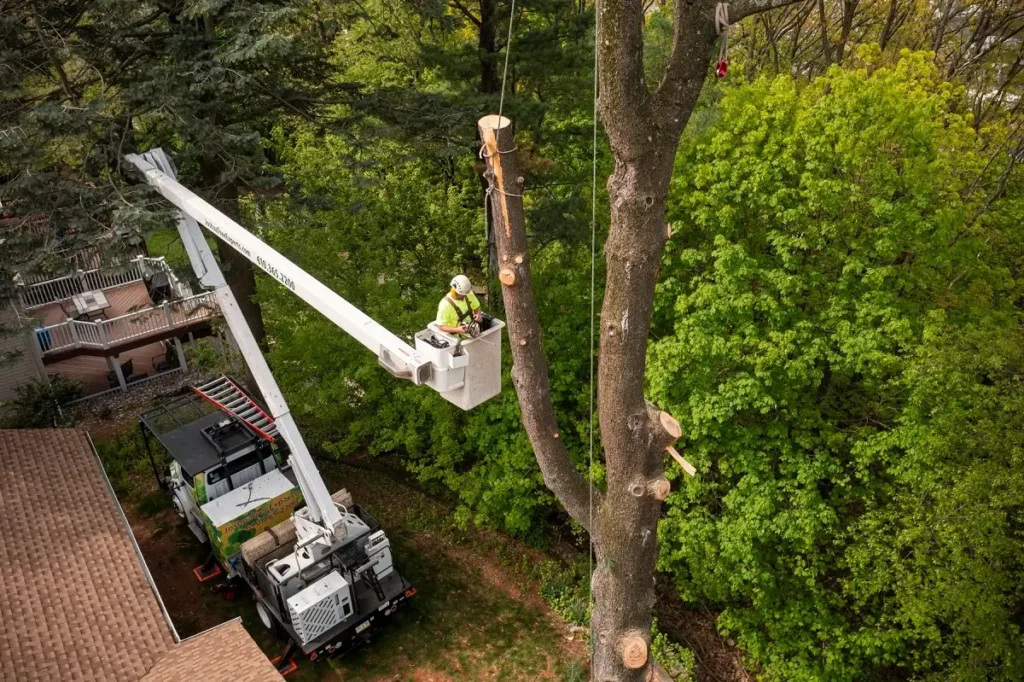
Cranes and elevated work platforms are used when climbing is unsafe or when a tree is too risky to rig down near structures. They can speed up removals, but hire costs and setup time can make the job more expensive.
They are more common on tight urban blocks, near fragile roofs, or where the tree has defects that make climbing dangerous.
How can they estimate costs fairly before booking a site visit?
They can get a more accurate estimate by sharing clear photos and key details upfront. Useful details include tree height, trunk diameter, distance to the nearest building, presence of powerlines, and whether a lorry can access the yard.
They should also ask what is included: stump grinding, wood haulage, council paperwork, and final clean-up. Like-for-like comparisons are the only way to judge pricing fairly.
What should they ask to compare tree removal quotes properly?
They should ask what method will be used and what is included in writing. Key questions include whether they will remove all debris, whether stump grinding is included, how they will protect nearby structures, and whether the price changes if access is tighter than expected.
They should also confirm insurance and qualifications, plus who is responsible for permits if approvals are required. A cheaper quote is not a bargain if critical items are excluded.
FAQs (Frequently Asked Questions)
How is the cost of tree removal in Sydney determined?
Tree removal in Sydney is priced based on risk and effort rather than a simple ‘per tree’ rate. Contractors assess factors such as access to the tree, its size, potential hazards, disposal requirements, and specific property rules to calculate the final cost.
What factors influence the price of removing larger or different species of trees?
Larger trees generally cost more due to longer work times, heavier rigging, and increased crew needs. Tree species also affect pricing; denser timbers take longer to cut, while brittle species near structures or power lines require more careful dismantling, increasing complexity and cost.
How does property access impact tree removal pricing?
Access significantly affects pricing since it influences how efficiently equipment and debris can be moved. Easy access allows trucks and chippers close to the tree, reducing labour time and costs. Restricted access due to narrow paths, stairs, gates, or landscaping requires extra manual labour, increasing the overall quote.
Why do hazards like powerlines and nearby structures increase tree removal costs?
Hazards raise costs because they increase safety risks and slow down removal processes. Trees near homes, pools, or powerlines often need piece-by-piece dismantling with controlled lowering techniques. Additional safety measures, specialised crews, and planning contribute to higher prices.
In what ways do council approvals and protected trees affect tree removal expenses?
Council approvals can add administrative time and costs. For protected trees, contractors may need to comply with strict regulations including lodging applications or obtaining arborist reports. Even after approval, conditions on how removal is conducted or site restoration requirements can increase overall expenses.
What additional services commonly influence the final tree removal quote?
Add-ons such as stump grinding, log removal, site clean-up, and waste disposal often differentiate a basic removal from a comprehensive job. For example, stump grinding costs vary by stump size and access difficulty. Choices regarding wood left onsite or full haul-away also impact transport and disposal fees.