Tree removal cost Sydney homeowners receive can vary dramatically for what appears to be the same job. One contractor may quote $900, another $2,400 and another $5,000. That difference does not automatically mean someone is dishonest. Tree size, access, proximity to buildings, rigging, disposal and risk can change the work method completely.
The best way to compare prices is to understand what you are paying for and make sure every contractor is quoting the same scope. This guide covers typical ranges, the factors that move the figure and the questions to ask before signing.
Indicative Sydney Price Ranges
A small tree under about five metres with clear access may cost $400 to $900. A medium tree between five and ten metres often costs $900 to $2,000. Large trees from ten to fifteen metres may range from $1,800 to $4,000. Trees over fifteen metres, especially mature gums, figs or pines near structures, can cost $3,500 to $10,000 or more.
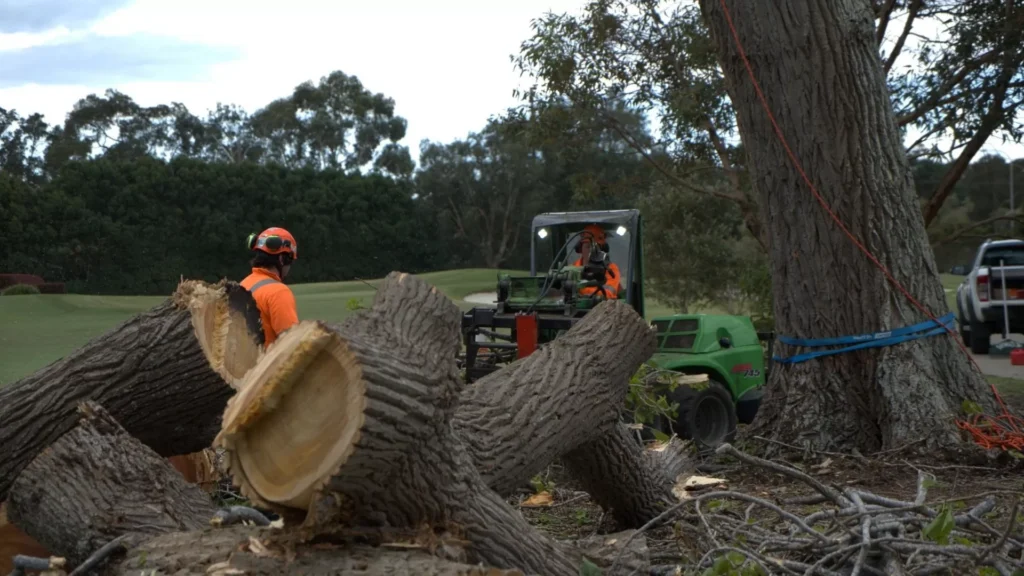
Very large or complex removals may require cranes, traffic control or multiple days of rigging. These can exceed $15,000. Stump grinding is normally separate and may range from $120 for a small stump to $2,500 for a very large hardwood or fig.
These figures are planning ranges, not a fixed tariff. A site inspection is necessary for a reliable quote.

The Seven Biggest Price Drivers
- Access
Access is often the largest variable. A chipper parked beside the tree saves labour. A rear courtyard reached through a narrow gate may require every branch to be carried by hand. Stairs, sandstone, retaining walls and soft ground add difficulty.
- Targets
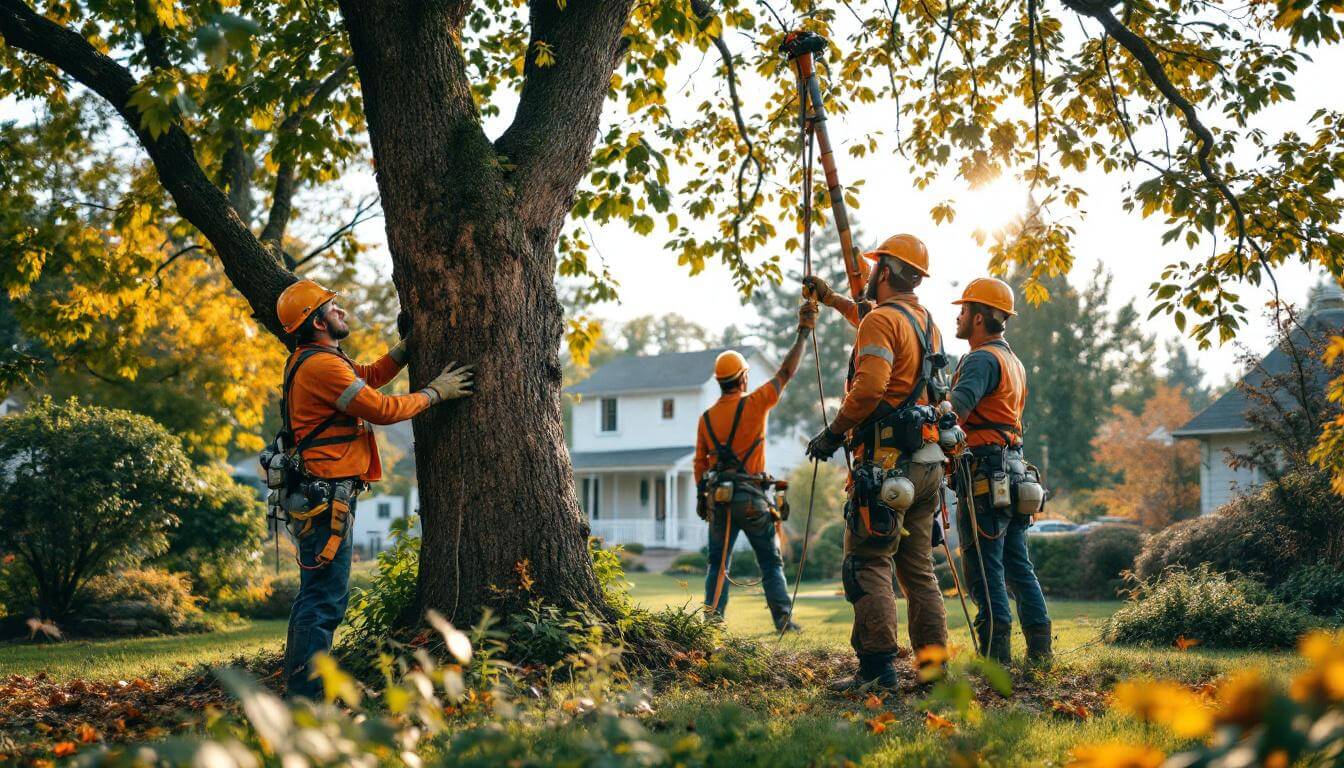
A tree in an open yard can sometimes be felled in one piece. The same tree between a house, pool, road and neighbour’s fence must be dismantled in sections. Each limb may need to be roped and lowered, increasing time and equipment.
- Height and diameter
Material volume rises quickly as a tree becomes taller and wider. The crew must also work higher in the canopy, increasing climbing and rigging requirements.
- Species and wood density
Ironbark, turpentine, mature figs and some eucalypts are dense and heavy. They take longer to cut and produce heavier logs. Softwood and small palms may be faster, although access and handling still matter.
- Power lines and services
Work near overhead conductors requires careful planning and may involve authorised operators or network coordination. Underground services matter for stump grinding and excavation. These controls add cost but are not optional.
- Disposal
A large tree produces a lot of material. Chipping, transport and organics tipping cost money, although keeping clean chip or logs may reduce the disposal volume. Ask what is included.
7. Reports and approvals
If council permission or a formal arborist report is required, that cost sits alongside physical removal. Start with the NSW Government tree-removal referral service and confirm local requirements.
What a Complete Quote Includes
A complete quote should identify the trees and include felling or dismantling, rigging, chipping, timber removal, site clean-up and lawful disposal. It should state whether the stump is included and, if so, the grinding depth. Ask about grindings removal, backfill, turf repair, fence access, traffic control, crane hire and council fees.
The NSW EPA garden-organics guidance explains why material must be taken to a lawful facility. If the contractor says “removal included,” ask whether that means the tree is moved to the driveway or taken away entirely.
Why the Cheapest Quote Can Cost More
An unusually low quote may exclude insurance, disposal, stump work or clean-up. It may involve uninsured workers, illegal dumping or unsafe equipment. If a limb damages your neighbour’s roof, the contractor’s low price will not protect you if the business has no cover.
Request a current public liability certificate and confirm the business name matches the quote. Ask for workers compensation details where employees or subcontractors are used. The Safe Work Australia guide to tree-work risks explains the hazards a legitimate crew must manage.
How to Compare Three Quotes
Give each contractor identical photographs and a written brief. Ask the same questions: Is stump grinding included? Are all branches and logs removed? Is the price fixed? What equipment is planned? Who handles council permission? What is the expected duration? Where does the waste go?
Then compare the scope line by line. A higher price may include a larger crew, controlled rigging, complete disposal and a safer plan. A lower price may assume directional felling that is impossible on your block.
Ways to Reduce the Price Legitimately
Bundle multiple trees into one visit. Improve access by moving vehicles, unlocking gates or temporarily removing a fence panel. Keep clean chip for garden beds and suitable timber for firewood. Book routine work outside post-storm peaks. Avoid cosmetic extras such as turf repair if you can complete them yourself.
Do not reduce cost by accepting unsafe work or skipping required approval. That is false economy.
Insurance and Storm Damage
Home insurance may cover removal when a tree has fallen and damaged an insured structure, but it often does not cover preventative removal or a fallen tree that damaged nothing. Contact your insurer before authorising major work and document the condition.
For emergency callouts, tree removal cost Sydney homeowners pay may rise because of after-hours labour, equipment and demand. Make-safe work should be separated from full clean-up where possible.
Retention Versus Removal
A mature tree provides shade, habitat and cooling. Research from the University of Queensland on the value of street trees helps explain why removal should be weighed against retention. Ask whether deadwooding, reduction, support or partial retention can manage the risk.