Tree removal Central Coast services cover a large and varied area from Gosford and Erina to Terrigal, Woy Woy, Umina, Wyong, The Entrance, Toukley and the hinterland. Coastal wind, sandy soils, wet ground, bushland interfaces and long travel distances all affect how a tree job is assessed and priced.
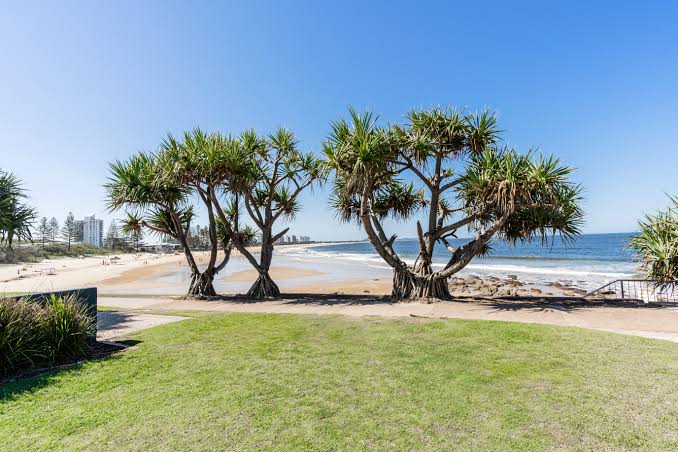
A small palm in a Terrigal courtyard is a different job from a tall spotted gum beside a home in the hills or a windbreak on acreage near Kulnura. The best contractor understands the local setting and does not use one generic method for every property.
Conditions That Affect Central Coast Trees
Salt-laden onshore wind can cause dieback on exposed sides of coastal trees. Sandy soils around Umina, Ettalong and parts of the beach suburbs may provide less root anchorage. Low-lying land near the lakes can remain saturated after rain, reducing root stability. East coast lows and severe southerlies create sudden demand for emergency work.
Common trees include spotted gum, blackbutt, angophora, scribbly gum, paperbark, swamp mahogany, Norfolk Island pine, radiata pine, camphor laurel and cocos palm. Some are valuable habitat trees, some are environmental weeds and some become unsuitable because they outgrow a residential block.
A professional assessment distinguishes a storm symptom from a deeper defect. Not every damaged tree needs complete removal, but a tree on a roof, road or power line needs immediate isolation.
Central Coast Council and Bushfire Rules
Central Coast Council controls work on many private trees, and additional requirements may apply in bushland, riparian, coastal or biodiversity-sensitive locations. Start with the NSW Government tree-removal referral information, then check the council’s current application process.
If a property lies within an eligible 10/50 Vegetation Clearing Entitlement Area, check the official NSW RFS 10/50 tool on the day of clearing and follow the code. The scheme does not authorise clearing on someone else’s land, in reserves or beyond the entitlement area.
Trees in threatened ecological communities, habitat corridors or riparian areas may need more careful assessment. Do not accept a contractor’s casual statement that a tree is exempt without checking.
How Professional Work Is Planned
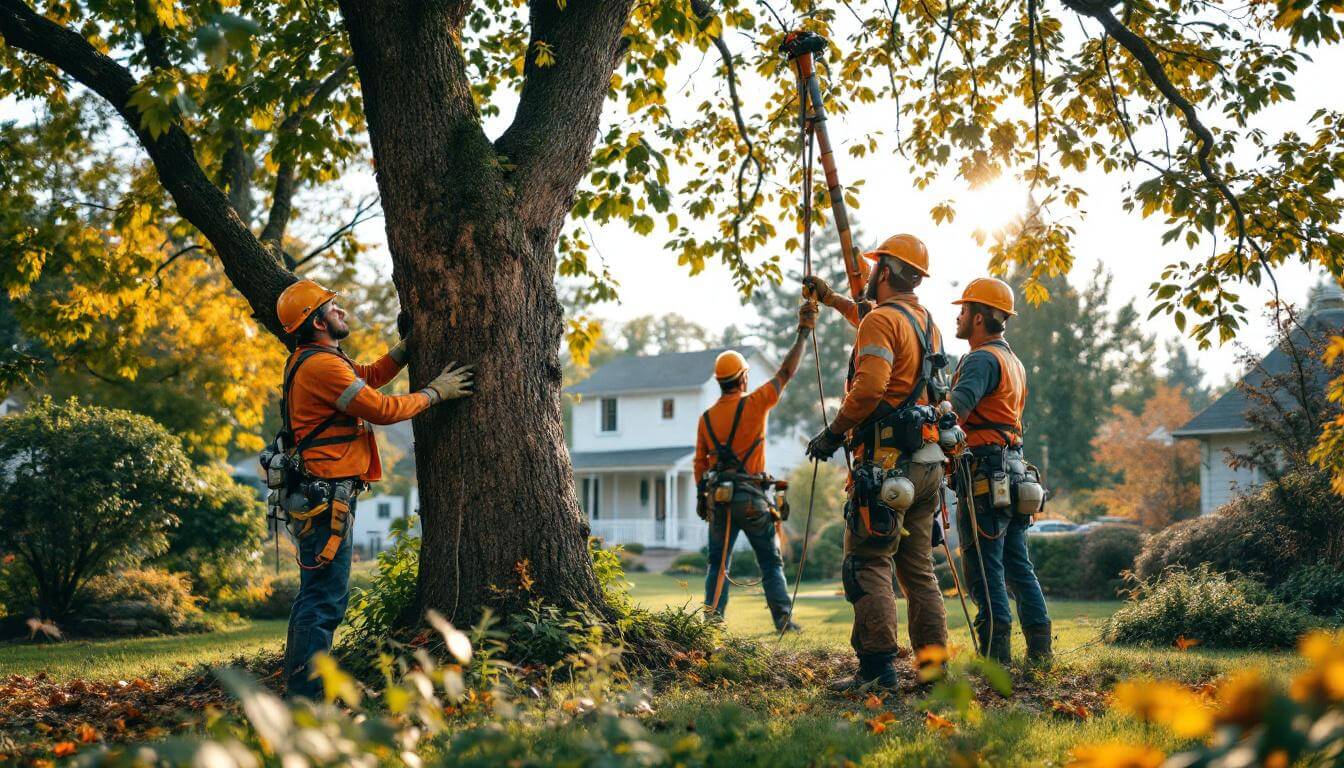
The crew inspects the tree, identifies targets, checks access and chooses between directional felling, climbing, controlled lowering, winching or crane assistance. Open acreage may allow a tree to be felled in one piece. Residential coastal blocks commonly need ropes because roofs, fences, pools and neighbours are close.
Soft or wet ground may require mats or tracked equipment. Long travel distances can affect scheduling and mobilisation charges. Ask whether the quote includes chip, timber, stump grinding, final clean-up and travel.
The Safe Work Australia guide to managing tree-work risks covers falls, falling objects, lopping, removal, chipping and stump grinding. A safe crew establishes an exclusion zone and uses suitable PPE and communication.
Central Coast Cost Guide
Small trees with clear access may cost $400 to $900. Medium removals often range from $900 to $2,500. Large coastal pines, gums and trees over homes can cost $3,000 to $10,000. Stump grinding may cost $130 to $850, while cranes, traffic control and travel add to complex jobs.
Tree removal Central Coast services may be slightly cheaper than inner Sydney where access is better, but outlying travel and difficult terrain can offset the difference. Ask whether the quote is fixed, whether disposal is included and what happens if hidden decay changes the method.

Storm Response
After an east coast low, keep away from hanging limbs and root plates. If power lines are involved, contact the network operator and do not approach. If a tree is on a house or road, contact emergency services or the SES as appropriate. Photograph damage for insurance and ask for make-safe work before full clean-up.
Emergency pricing can be higher because demand, equipment and risk rise. Avoid door-knocking operators who cannot provide insurance or a written scope.
Habitat and Reuse
The Central Coast contains important hollow-bearing trees and habitat corridors. A mature tree may take decades to develop features used by wildlife. Where safe, ask about deadwooding, crown reduction, habitatpole retention or removal of only a defective stem.
Clean chip can be reused as surface mulch and sound timber can be cut for firewood. The NSW EPA garden-organics guidance explains responsible disposal. Research from the University of Melbourne arboriculture program reflects the specialist knowledge involved in managing urban and environmental trees.
Choosing a Contractor
Ask for public liability insurance, workers compensation details, qualifications and local references. Confirm who handles council applications and whether the report is prepared by an appropriately qualified consultant. Make sure the written quote names the trees, method, disposal and clean-up.