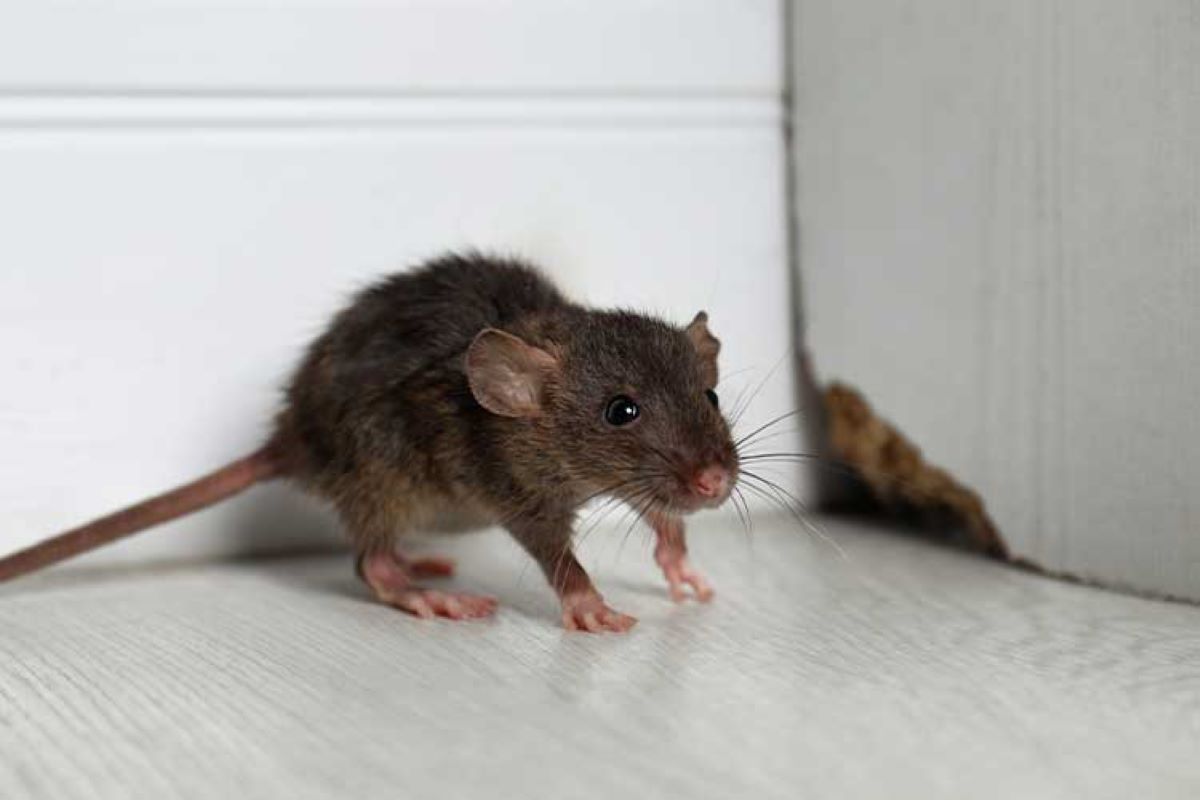
Because Sydney homes and businesses often sit close to food sources, waterways, and dense housing, mouse activity can escalate quickly. Acting early matters, since one small problem can turn into repeated sightings, contamination, and damage.
What are the first signs they have a mouse problem?
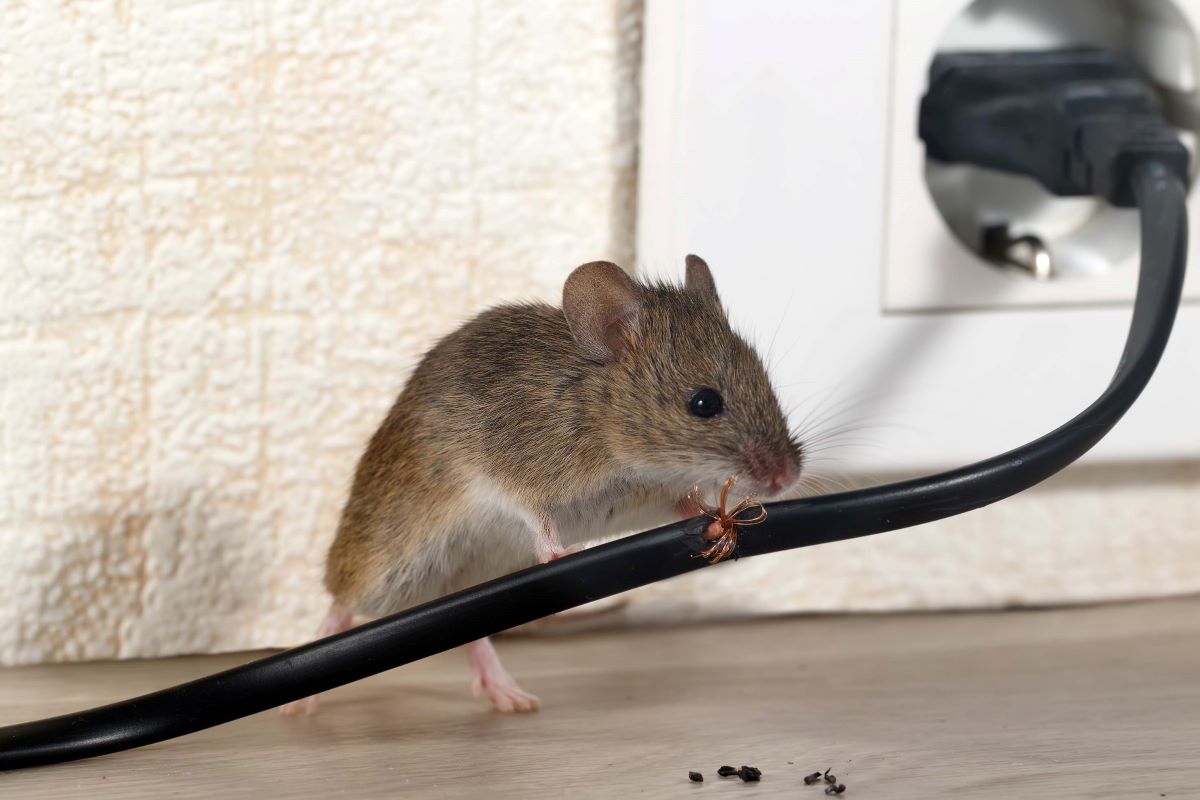
They will usually notice droppings, scratching sounds at night, or gnaw marks around food areas first. With mouse control Sydney, a musky smell, shredded paper, or greasy rub marks along walls are also common signs to watch for.
In kitchens and pantries, they may spot chewed packaging or scattered crumbs. In roofs and wall cavities, mouse control Sydney cases often involve hearing movement after dark, especially near insulation.
Why is mouse control in Sydney often a repeat issue?
It repeats when entry points stay open and food remains accessible. Even if they remove a few mice, new ones can follow scent trails and re-enter through gaps they did not seal.
Sydney’s mild winters and dense urban zones can keep mouse pressure consistent. Construction, nearby restaurants, and poorly stored pet food can also increase local activity.
What is the most effective method overall for mouse control?
The most effective method is exclusion first, then population reduction, then monitoring. Proofing prevents re-entry, while traps or baits reduce numbers already inside.
If they only trap without sealing gaps, they often end up trapping forever. If they only seal without removing existing mice, they may push activity deeper into walls.
How do they find and seal entry points properly?
They start by checking the entire exterior for gaps as small as 6 mm. Common entry points include weep holes, garage door corners, pipe penetrations, gaps under doors, and damaged vents.
They typically use steel mesh, metal flashing, and quality sealants that mice cannot chew through. Door sweeps and brush seals help on high-traffic openings like garages.
Which traps work best in Sydney homes?
Snap traps are often the most reliable for quick results when placed correctly. They work well along walls, behind fridges, and in roof spaces where they travel.
They usually bait with peanut butter, chocolate, or a small piece of dried fruit. Placement matters more than bait, so they set traps perpendicular to walls with the trigger end facing the wall.
Are glue traps and ultrasonic devices effective?
Glue traps can catch mice, but they are often considered a last resort due to animal welfare concerns and frequent misfires in dusty roof spaces. They also require frequent checks and careful disposal.
Ultrasonic devices rarely solve an active infestation on their own. Mice can avoid the sound range or acclimatise, so these devices should not replace proofing and trapping.
When are baits and bait stations the most effective option?
Baits can be effective when they have ongoing activity across multiple areas or when access is limited, such as wall cavities. Bait stations also help reduce risk to children and pets when used correctly.
They should avoid loose baiting or DIY misuse, since incorrect placement can increase risks and reduce effectiveness. Professional selection of bait type and placement is usually safer and more consistent. Click here to learn more about wild dog control baiting programs underway across NSW.
How important is hygiene and food storage in stopping mice?
It is critical, because mice stay where food is easy. If they remove food access, mice are forced to move and traps become more attractive.
They should store pantry items in sealed containers, reduce bench-top crumbs, and keep pet food in airtight tubs. Bins should have tight lids, and compost areas should be managed to avoid constant feeding.
What roof and subfloor steps make the biggest difference?
They should repair broken tiles, seal gaps around eaves, and screen vents with chew-resistant mesh. Roof voids often provide warmth and nesting materials, so reducing access is a major win.
Under floors, they should look for gaps around pipes and ensure vents are intact. Keeping storage off the ground and reducing clutter makes monitoring and trapping easier.
When should they call a professional in Sydney?
They should call a professional when activity is persistent, the source is unclear, or the property has high risk, such as restaurants, cafés, strata buildings, or childcare settings. They should also call if they suspect mice are in wall cavities or roofs where access is difficult.
A professional can combine inspection, exclusion advice, safe bait station programs, and follow-up monitoring. That usually saves time compared to repeated DIY attempts.
What does an effective mouse control plan in Sydney look like?
An effective plan includes inspection, immediate control, proofing, and a short monitoring period. They should aim to remove current mice fast, then stop the next wave from entering.
Most successful outcomes come from treating the cause, not just the sightings. If they seal entry points, tighten food storage, and use targeted traps or bait stations, mouse problems in Sydney become far less likely to return.
Related : What Are the Best Options for Termite Protection Sydney?
FAQs (Frequently Asked Questions)
What are the early signs of a mouse infestation in Sydney homes?
Early signs include finding droppings, hearing scratching sounds at night, noticing gnaw marks around food areas, detecting a musky smell, seeing shredded paper or greasy rub marks along walls, chewed packaging, and scattered crumbs in kitchens and pantries.
Why do mouse problems often recur in Sydney properties?
Mouse issues repeat when entry points remain open and food is accessible. Even after removing some mice, new ones can follow scent trails through unsealed gaps. Sydney’s mild winters, dense urban environment, nearby construction, restaurants, and poorly stored pet food contribute to ongoing mouse pressure.
What is the most effective overall strategy for mouse control in Sydney?
The best approach combines exclusion (sealing entry points), population reduction (trapping or baiting), and ongoing monitoring. Proofing prevents re-entry; traps or baits reduce existing populations. Using only traps without sealing gaps leads to continuous trapping; sealing without removing mice may push them deeper into walls.
How can homeowners properly find and seal mouse entry points?
They should inspect the entire exterior for gaps as small as 6 mm, focusing on common areas like weep holes, garage door corners, pipe penetrations, gaps under doors, and damaged vents. Sealing involves using steel mesh, metal flashing, quality sealants that mice can’t chew through, plus door sweeps and brush seals on high-traffic openings like garages.
Which traps are most effective for controlling mice in Sydney homes?
Snap traps are reliable for quick results when placed correctly along walls, behind fridges, and in roof spaces where mice travel. Effective bait includes peanut butter, chocolate, or dried fruit pieces. Placement is crucial—traps should be set perpendicular to walls with the trigger end facing the wall.
When should Sydney residents consider calling professional pest control for mice?
Professional help is recommended when mouse activity persists despite DIY efforts, the infestation source is unclear, or properties have high risk such as restaurants, cafés, strata buildings, or childcare centers. Professionals offer thorough inspections, exclusion advice, safe bait station programs, and follow-up monitoring to efficiently resolve infestations.