Why do DIY traps and baits so often fail in Sydney homes?
DIY usually targets the rodent they can see, not the colony they cannot. A couple of traps in the kitchen might catch one mouse, but it does not address where they are nesting, how they are travelling, or what is drawing them in.
Sydney’s dense housing, older roof spaces, and easy food sources mean rodents can move between properties and reappear quickly. Without a full plan, DIY becomes a cycle of short wins and repeat infestations.
What makes professional rodent control in Sydney more effective?
Professionals approach rodent control Sydney as a complete system, not just a single product. They inspect, identify the species, map activity, and use a combination of exclusion, targeted trapping, and safe baiting.
Placements are set strategically, based on rodent behaviour, travel routes, and harbourage. The result is fewer “misses,” faster knockdown, and longer-lasting effectiveness, because entry points and attractants are properly managed with rodent control Sydney.
How do professionals find where rodents actually enter?
They look for the small things most people miss. That includes rub marks, gnaw points, droppings patterns, grease trails, and the “highways” rodents use along pipes, beams, fences, and rooflines.
Entry points can be as small as a 10–12 mm gap for mice. A professional inspection checks roof penetrations, subfloors, garage corners, weep holes, vents, and door clearances. Finding the true entry points is often the difference between control and constant return visits.
Are DIY baits and poisons riskier than people realise?
They can be, especially in homes with children, pets, or shared outdoor areas. Incorrect bait placement can create secondary poisoning risks for pets and wildlife, and misplaced baits can end up in areas where they should never be.
Another common DIY issue is rodents dying in inaccessible voids, which can cause odour, flies, and staining. Professionals aim to reduce these outcomes by choosing methods and placements that fit the property and the infestation, not just what is easiest to buy.
Why is sealing gaps and “proofing” a bigger job than it seems?
Proofing is not just filling a hole with foam and hoping for the best. Rodents chew through weak materials, and poorly chosen fillers can fail fast. Professionals use rodent-resistant methods and focus on the full building envelope, not only the obvious holes.
They also balance proofing with ventilation needs, moisture management, and access requirements. Done properly, exclusion stops the next infestation before it starts, which is why it is central to professional rodent treatment in Sydney. Check out more about cheap pest control Sydney.
What health and property risks do rodents create if the problem drags on?
Rodents contaminate food prep areas, cupboards, and storage with urine and droppings. They can also introduce parasites and trigger allergies and asthma, especially in children.
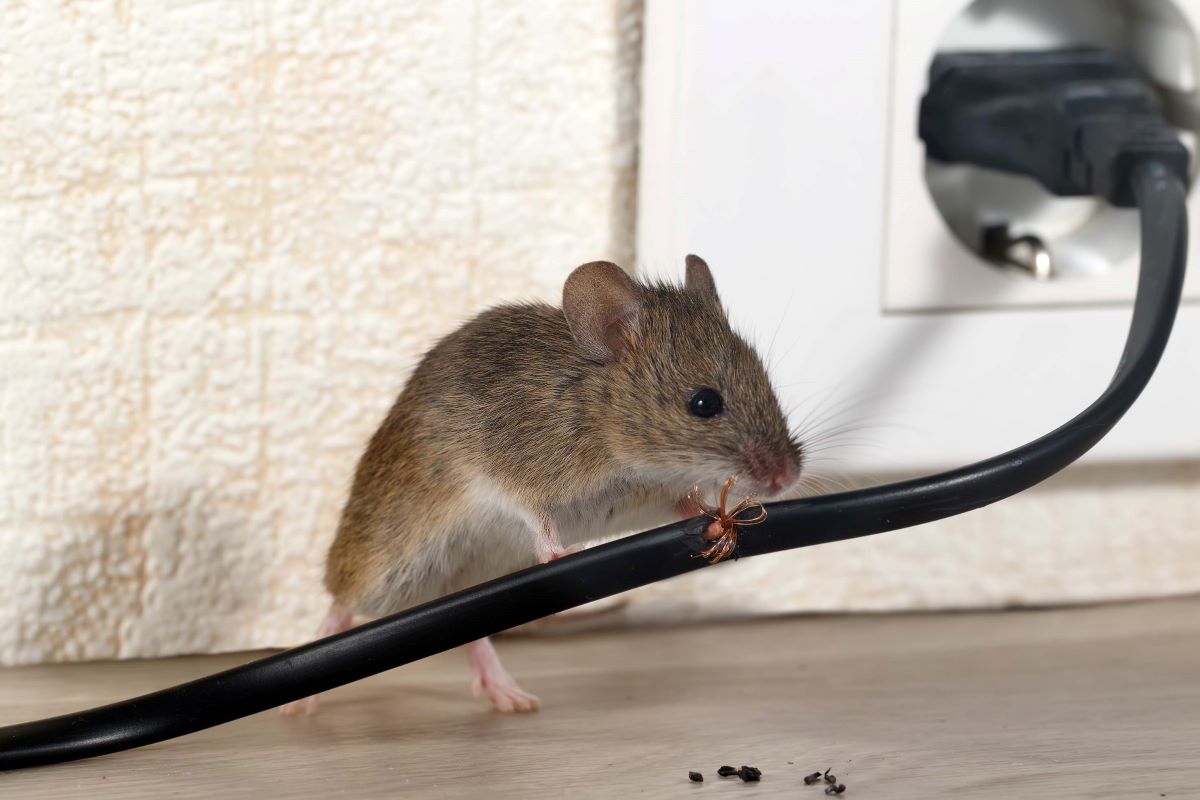
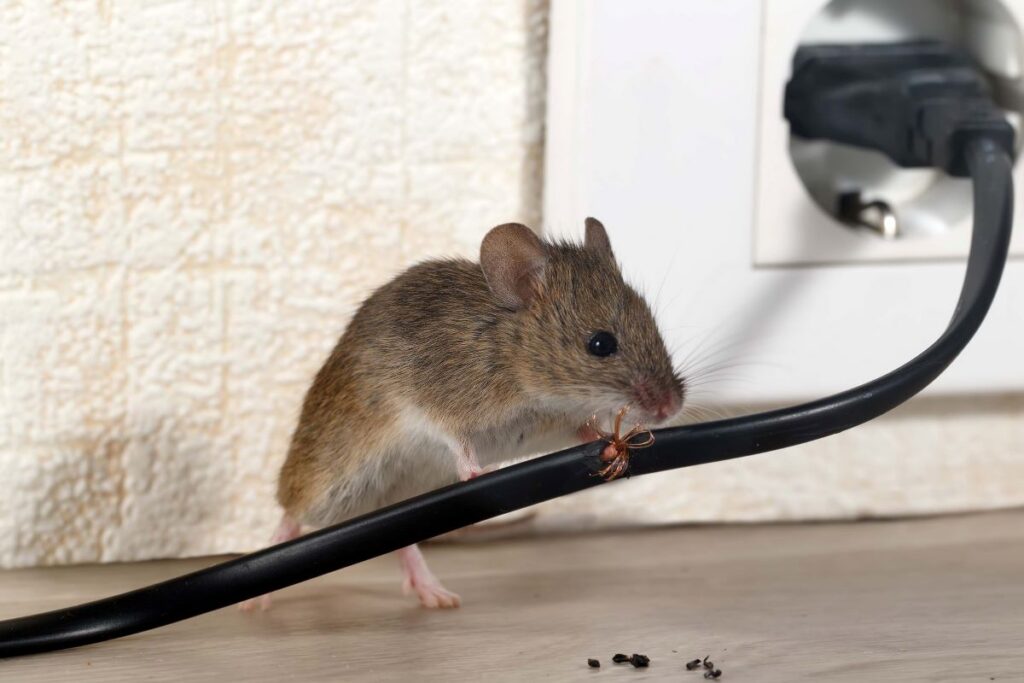
Property damage is another serious risk. Rodents gnaw wiring, insulation, timber, and flexible hoses. In worst cases, chewed wiring can increase fire risk. The longer DIY delays proper control, the more likely the hidden damage grows.
How do professionals tailor treatment for rats vs mice?
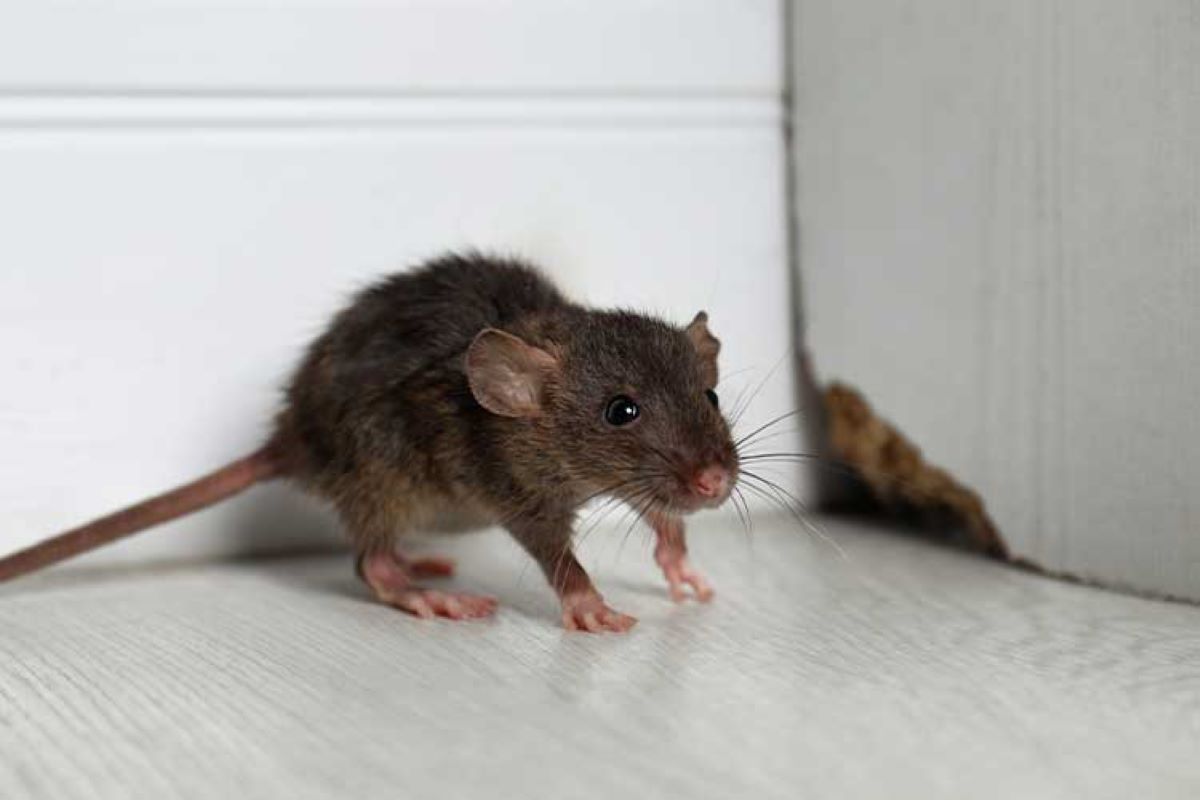
Rats and mice behave differently, and that changes the approach. Mice are curious and may explore new objects, while rats are cautious and can avoid new traps for days. Rats also tend to travel along edges and established routes.
Professionals adjust trap types, placements, bait choices, and monitoring intervals accordingly. Correct species identification prevents wasted time and reduces the chance of “treating the wrong problem” with the wrong tools.
What should a homeowner expect from a professional rodent treatment in Sydney?
They should expect a structured process: inspection, action plan, treatment, and follow-up. A reputable provider explains findings clearly, shows evidence of activity, and outlines what is being done and why.
They should also provide practical advice on food storage, bin management, pet food handling, and property maintenance. Rodent control works best as a partnership, with the technician managing the technical side and the occupants keeping the environment less attractive to pests.
When is it time to stop DIY and call a rodent control specialist?
If there are repeat sightings, noises in walls or ceilings, droppings appearing daily, or damage to wiring and insulation, DIY is usually no longer enough. The same applies when bait disappears without results, or when activity shifts from one room to another.
Calling early can reduce costs in the long run because it limits damage and shortens the infestation timeline. Professional rodent control in Sydney is most effective when it starts before the colony becomes well established.
How can they reduce the chances of rodents coming back?
They can focus on the three drivers: access, food, and shelter. That means sealing gaps, improving door sweeps, keeping bins closed, cleaning up fallen fruit, securing compost, and storing pantry goods in sealed containers.
Garden maintenance also matters. Dense ground cover, cluttered sheds, and stacked timber close to walls create harbourage. Professionals can point out the highest-risk areas, but ongoing prevention is what keeps a property rodent-free. For official guidelines and best practices, refer to this pest control advice for food premises and equipment.
What is the bottom line on professional rodent control vs DIY?
DIY can work for a very minor, early issue, but it often struggles against established infestations and hidden entry points. Professional rodent treatment in Sydney typically outperforms DIY because it combines inspection, targeted control, exclusion, and follow-up.
For most properties, the real value is not just removing rodents quickly. It is stopping the next wave from getting in at all.

FAQs (Frequently Asked Questions)
Why do DIY traps and baits often fail to control rodents in Sydney homes?
DIY methods usually target only the visible rodents, not the entire colony hidden in nesting areas. Sydney’s dense housing and easy food sources allow rodents to move between properties and reappear quickly. Without a comprehensive plan addressing nesting, travel routes, and attractants, DIY efforts often lead to short-term wins followed by repeat infestations.
What makes professional rodent control in Sydney more effective than DIY approaches?
Professional rodent control treats the problem as a system rather than relying on single products. Experts inspect the property, identify rodent species, map activity, and use a combination of exclusion techniques, targeted trapping, and safe baiting. Their strategic placement of controls based on rodent behaviour results in fewer misses, faster knockdown, and longer-lasting results by addressing entry points and attractants comprehensively.
How do professionals locate where rodents enter a Sydney property?
Professionals look for subtle signs such as rub marks, gnaw points, droppings patterns, grease trails, and established ‘highways’ rodents use along pipes, beams, fences, and rooflines. They inspect small gaps as tiny as 10–12 mm around roof penetrations, subfloors, garage corners, vents, and door clearances. Identifying true entry points is crucial to preventing constant reinfestation.
Are DIY baits and poisons riskier than people realise in Sydney homes?
Yes, especially in households with children or pets. Incorrect bait placement can cause secondary poisoning risks to pets and local wildlife. Additionally, rodents dying in inaccessible voids may cause odours, flies, and staining. Professionals choose methods and placements tailored to the property to minimise these risks while effectively controlling infestations.
Why is sealing gaps and proofing a Sydney property against rodents more complex than it appears?
Proofing involves more than filling holes with foam; rodents can chew through weak materials causing quick failures. Professionals use rodent-resistant materials focusing on the entire building envelope while balancing ventilation needs, moisture management, and access requirements. Proper exclusion prevents future infestations by stopping entry before it starts.
When should homeowners stop DIY efforts and call a professional rodent control specialist in Sydney?
If there are repeated sightings of rodents, noises within walls or ceilings, daily droppings appearing, or damage to wiring and insulation, DIY methods are usually insufficient. Also if bait disappears without results or activity shifts locations within the home. Early professional intervention reduces long-term costs by limiting damage and shortening infestation duration.