Because no single method suits every property, the “best” option is the one matched to the building type, soil, access, and budget, then maintained over time.
What does “termite protection” actually mean in Sydney?
It means reducing the chance of concealed termite entry and catching activity early enough to avoid structural damage. In termite protection Sydney, that usually involves regular inspections and a treatment that either blocks termites, kills them, or both.
Sydney homes often need a termite protection Sydney strategy for subfloors, slab edges, garden beds, and damp zones, because termites exploit hidden pathways and moisture.
Which option is most important: inspection or treatment?
Inspections are the foundation because termites can bypass barriers or exploit new building changes. A treatment without ongoing inspections can fail quietly, since damage can occur out of sight.
Most pest managers recommend at least annual inspections, with more frequent checks for higher risk homes, such as those near bushland, with poor drainage, or with previous termite history.
Are chemical soil barriers a good long term solution?
Yes, chemical (liquid) soil barriers are one of the most common professional options for Sydney homes. They work by treating soil around and under parts of the structure to create a treated zone termites avoid or can’t survive crossing.
They can be very effective when installed correctly, but they rely on continuity. Disturbing soil, adding garden beds, or paving changes can create untreated gaps that need re treatment.
When do termite baiting systems make the most sense?
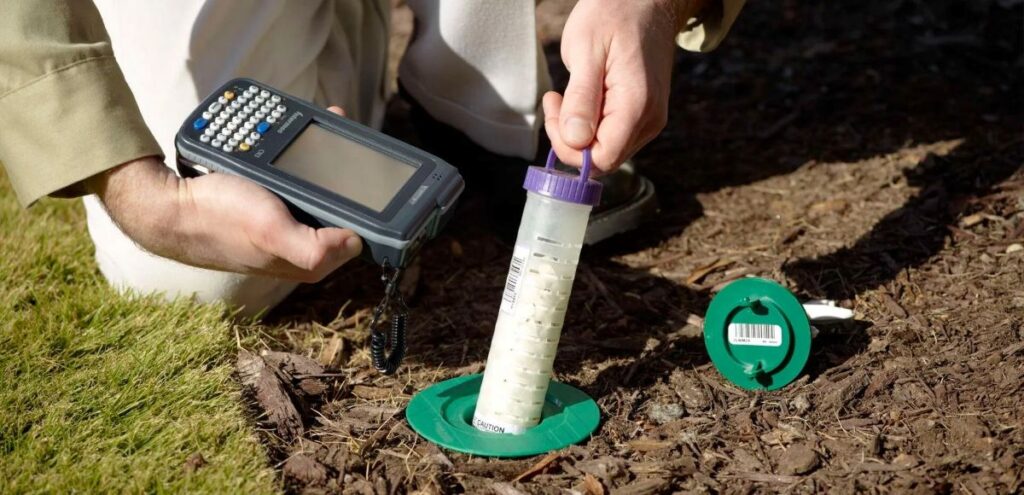
Baiting is often best when a full soil barrier is impractical, such as complex slabs, limited access, or where homeowners prefer a lower chemical footprint in the soil. Stations are placed around the property and monitored, then termites feed on bait that disrupts moulting and can affect the colony.
Baiting is not a “set and forget” option. It needs ongoing monitoring, and performance depends on termites finding the stations and foraging conditions.
Are physical barriers worth considering for existing homes?
They can be, but they are most cost effective during construction or major renovations. Physical barriers include stainless steel mesh systems and graded stone barriers designed to block concealed entry points at key construction junctions.
For existing homes, targeted physical barrier upgrades may be possible in certain areas, but most Sydney homeowners choose liquid barriers or baiting because retrofitting can be invasive.
What about treated timber and wood preservatives?
Treated timber helps reduce risk in specific building elements, but it rarely replaces whole of property protection. It can be useful for renovations, replacing damaged timber, or protecting vulnerable timber components where exposure is likely.
Even with treated timber, termites can still attack untreated timbers, bypass through cracks, or build mud tubes over surfaces, so it should be seen as one layer in a broader plan.
Can homeowners rely on DIY sprays and store bought products?
DIY products can help with minor nuisance pests, but they are unreliable for termites because termite activity is concealed and colonies are large. Surface sprays rarely reach the nest or the active galleries inside timber, and incorrect use can disturb termites and make them harder to detect.
For Sydney properties, professional assessment is typically the safer option, especially because treatment choice depends on construction details and access.
How do they choose between barriers and baiting for a Sydney property?
They usually start with a detailed inspection, then match the method to risk and structure. If there is good access to create a continuous treated zone, a chemical barrier may be recommended. If access is limited or the property has many concealed entry points, baiting may be preferred or combined with a partial barrier.
They also consider drainage, subfloor ventilation, garden layout, and any history of termite activity nearby.
Other Resources : Making an offer on a property
What role do moisture control and maintenance play?
They matter more than many homeowners expect. Termites are attracted to moisture, and Sydney homes with leaking plumbing, poor drainage, or damp subfloors create ideal conditions.
Good maintenance includes fixing leaks quickly, improving ventilation, keeping weep holes clear, avoiding soil or mulch bridging slab edges, and storing timber away from the house. These steps make any professional system more effective.
What is the best “all round” approach for termite protection in Sydney?
For many properties, the best approach is an annual inspection program paired with either a professionally installed chemical barrier or a monitored baiting system, plus basic moisture and garden management. That combination covers early detection and ongoing deterrence.
If termite activity is suspected, they should arrange an inspection quickly, because the best protection plan changes once live termites are confirmed.
What should they ask a termite professional before booking?
They should ask what method is recommended for their exact construction type, what areas will be protected, what could compromise the system, and what maintenance or monitoring is required. They should also ask about warranty terms, exclusions (such as landscaping changes), and inspection frequency.
Clear documentation, a site specific plan, and practical guidance on reducing risk are usually signs they are dealing with a thorough operator.
More to Read : Mouse Control Sydney: What Are the Most Effective Methods?
FAQs (Frequently Asked Questions)
What does termite protection mean for Sydney homes?
Termite protection in Sydney means reducing the risk of concealed termite entry and detecting activity early enough to prevent structural damage. This typically involves regular professional inspections combined with treatments that either block or eliminate termites, especially in subfloors, slab edges, garden beds, and damp areas.
Which is more important for termite control: inspection or treatment?
Inspections are the foundation of effective termite control because termites can bypass treatments or exploit new building changes. Treatments without ongoing inspections may fail unnoticed. Most pest managers recommend at least annual inspections, with more frequent checks for high-risk homes near bushland, with poor drainage, or previous termite history.
Are chemical soil barriers an effective long-term solution against termites in Sydney?
Yes, chemical (liquid) soil barriers are a common and effective professional option in Sydney. They create a treated zone around and under the structure that termites avoid or cannot cross. However, their effectiveness depends on maintaining continuity; soil disturbance, adding garden beds, or paving can create gaps requiring re-treatment.
When is termite baiting recommended over chemical barriers?
Termite baiting systems are best when a full chemical soil barrier is impractical due to complex slabs, limited access, or homeowner preference for lower chemical use. Bait stations placed around the property monitor and disrupt termite colonies but require ongoing monitoring and depend on termites finding the bait stations.
Can physical barriers be used effectively for existing homes in Sydney?
Physical barriers like stainless steel mesh and graded stone are most cost-effective during construction or major renovations. For existing homes, targeted upgrades may be possible but often invasive. Therefore, most Sydney homeowners opt for liquid chemical barriers or baiting systems as retrofitting physical barriers can be disruptive.
How important is moisture control in preventing termite infestations?
Moisture control is crucial since termites are attracted to damp conditions. Sydney homes with leaking plumbing, poor drainage, or damp subfloors provide ideal environments for termites. Regular maintenance such as fixing leaks promptly, improving ventilation, clearing weep holes, avoiding soil bridging slab edges, and storing timber away from the house enhances any professional termite protection system’s effectiveness.