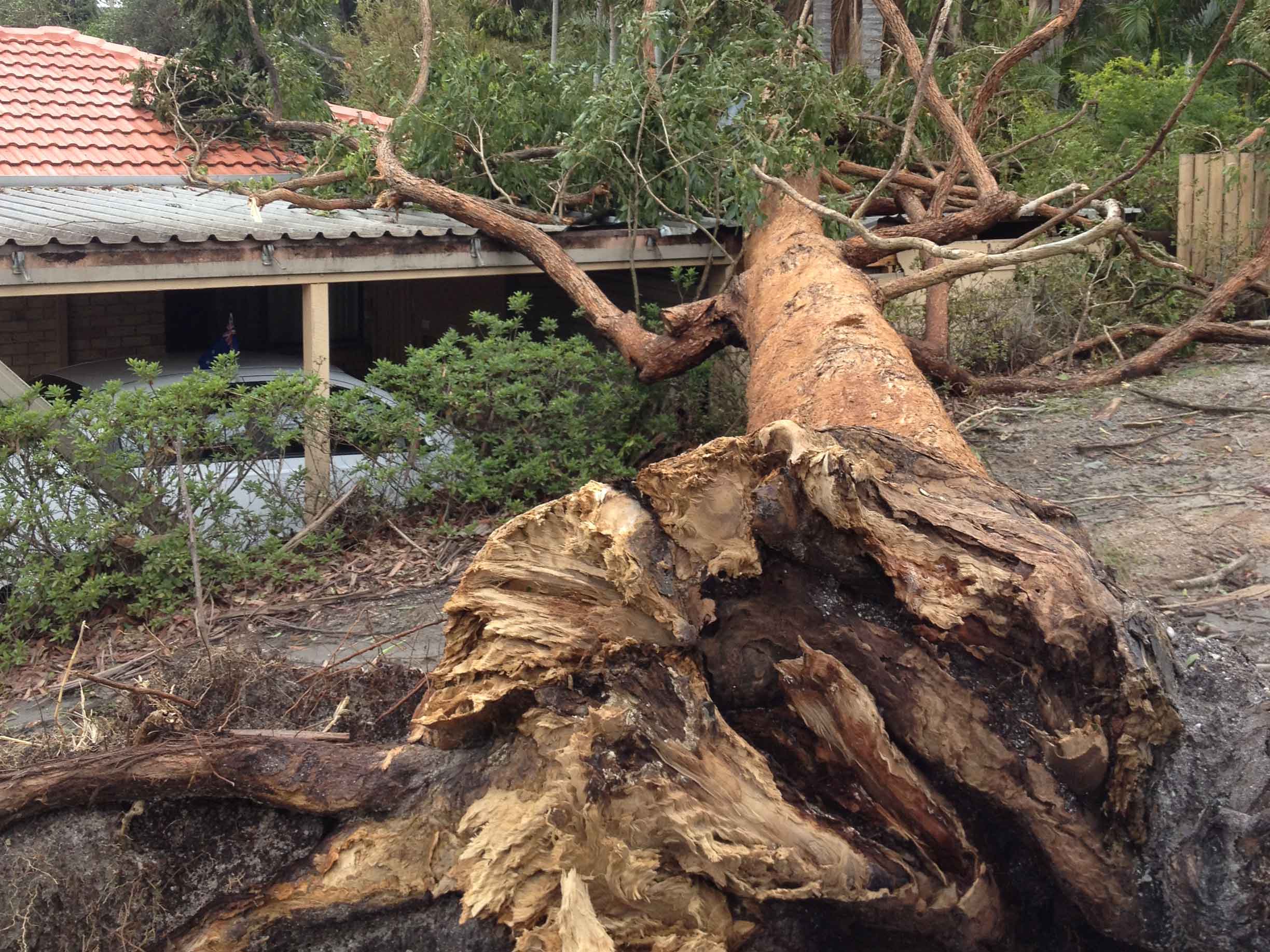
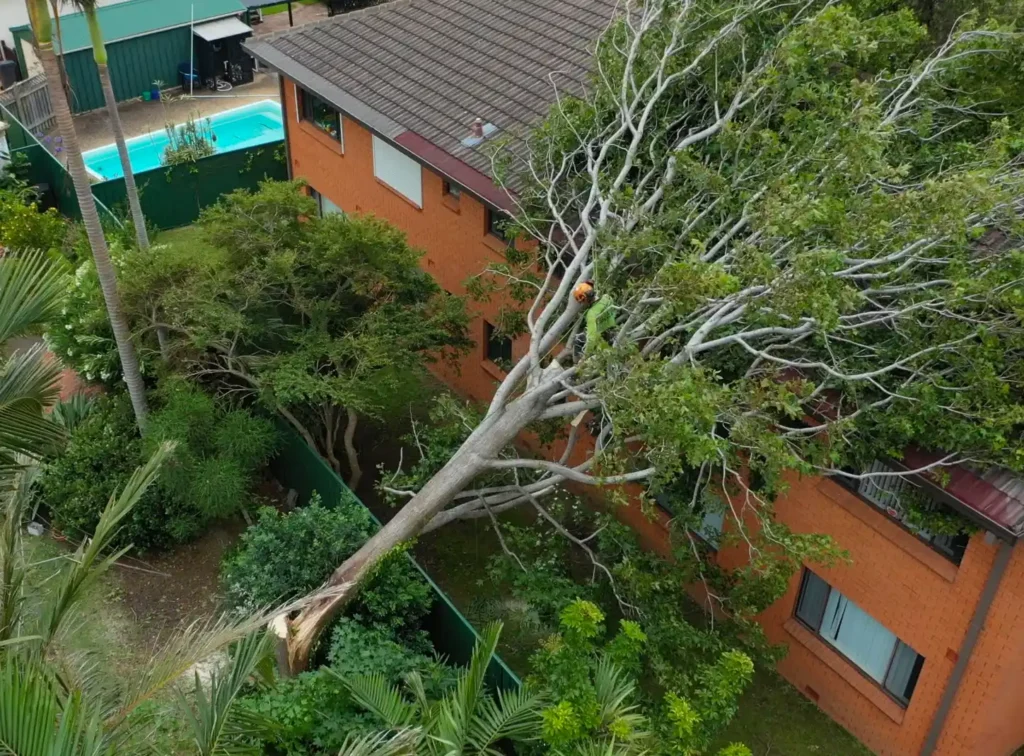
Emergency tree removal Sydney calls increase after east coast lows, severe wind, hail, flooding and intense summer storms. A fallen branch across the driveway is inconvenient, but a tree on a roof, near power lines or leaning over a road is a serious hazard. The first decision should be about safety, not finding the cheapest clean-up crew.
Storm-damaged trees are unpredictable. A branch that appears caught may be under tension. A root plate may be partly lifted but still holding. A cracked leader may fall when the wind changes. Keep people and pets away until a trained professional or emergency service has assessed the area.
First Steps After Damage
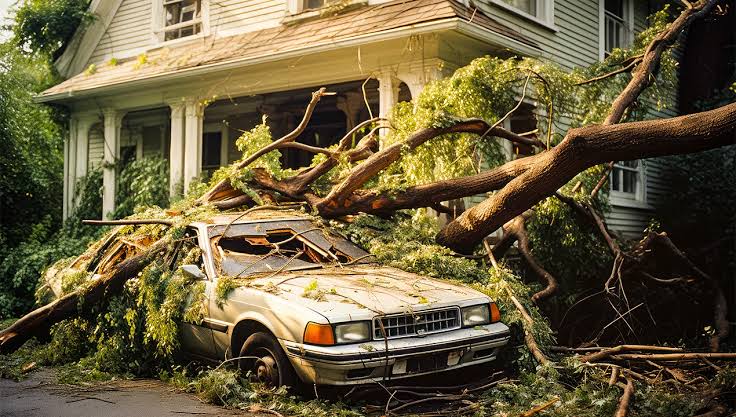
If the tree or branch is touching power lines, stay clear and contact the network operator. Do not move fences, vehicles or branches near conductors. If a tree has fallen on a house, blocks a road or creates an immediate threat to life, contact emergency services or the SES as appropriate. Keep photographs from a safe distance.
If a building or insured vehicle is damaged, notify your insurer before authorising major work where possible. Photographs, weather details and the contractor’s written assessment may be useful for a claim. Do not climb onto a roof to cut branches yourself.
Make-Safe Work Versus Full Removal
Emergency work often begins with a make-safe action rather than complete removal. The crew may remove a hanging limb, cut a safe access path, install temporary support or reduce a dangerous section. Full dismantling can wait until daylight, suitable equipment and a clear method are available.
Ask the contractor to separate the urgent make-safe scope from later clean-up. This makes the invoice easier to understand and prevents unnecessary work being authorised under pressure. A emergency tree removal sydney that has fallen away from structures may not need immediate removal if it can be isolated safely.
Why Storm Work Is More Dangerous
Storm damage changes the normal balance and tension of the tree. Broken limbs may be suspended, trunks may be partially supported by other trees, and roots may be unstable. Chainsaws can bind in compressed wood, while releasing tension can cause sudden movement. Wet ground also increases slip and equipment risks.
The Safe Work Australia guide to managing tree-work risks covers falling objects, climbing, chainsaws, chipping and removal. A reputable emergency crew still uses exclusion zones, suitable PPE, clear communication and controlled cutting. Storm urgency is not a reason to abandon safety.
Council and Evidence
Councils often allow exemptions for dead, damaged or immediately dangerous trees, but rules differ. Begin with the NSW Government tree-removal information, then check the local council. Photograph the defect before work if it is safe. Keep the arborist’s written advice, invoice and any before-and-after images.
Do not assume a tree becomes exempt simply because a storm has passed. If the tree is protected, evidence of the emergency may be important. A qualified contractor should explain the approval pathway instead of telling you to ignore it.
Emergency Pricing
After-hours response may cost 1.5 to 2.5 times standard rates. A small make-safe job may cost $400 to $1,200. Large trees over a building can exceed $5,000, while cranes, traffic control, power isolation and disposal add further cost. Price depends on the hazard, access, equipment and urgency.
Be especially cautious of operators who arrive uninvited after a storm and demand immediate cash. Ask for the business name, insurance certificate, written scope and payment terms. Do not let pressure stop you from contacting your insurer or getting a second quote when the site is safe.
Choosing an Emergency Contractor
Look for a local business with genuine storm-response experience. Ask whether the crew can perform makesafe work, sectional dismantling, rigging and stump grinding, or whether they subcontract those tasks. Confirm who is responsible for traffic control if the tree affects a footpath or road.
The University of Melbourne Graduate Certificate in Arboriculture reflects the specialist knowledge involved in assessing and managing trees. Emergency work still requires diagnosis; the fastest cut is not always the safest cut.
Waste After a Storm
Storm debris may include branches, leaves, trunk sections and stump material. Ask whether branches will be chipped, whether logs can remain and where the load will be taken. The NSW EPA garden-organics guidance explains lawful transport and disposal.
Clean chip can be reused as mulch, but do not spread diseased material around healthy trees. Keep mulch away from trunks and structures. If the emergency involves a tree from a neighbouring property, document ownership and communication carefully.
Preventing the Next Emergency
Once the immediate hazard is controlled, schedule a follow-up inspection. Look for additional cracks, detached limbs, root movement and changes in canopy balance. Do not assume a tree is safe because it survived one storm. A structural defect may remain.
Routine deadwooding and clearance pruning before storm season can reduce some hazards. Avoid severe topping, which can create weak regrowth and larger future problems. Plant new trees in locations with enough mature space so they do not become emergency removals later.
Red Flags During Storm Callouts
Avoid door-knockers without identification, crews with no PPE, ladder chainsaw work, no exclusion zone, pressure to sign blank forms and quotes that do not separate make-safe from full removal. Never pay a large amount in cash before the scope is clear.