

Managing garden waste in Sydney is easy when you treat it like a simple routine, not a once-a-year panic. The trick is knowing what counts as green waste, what Sydney councils accept, and when to call in professional help.
Sydney’s gardens grow fast, especially after rain and warm spells. That means prunings, leaves, lawn clippings, and branch offcuts can pile up quickly if there is no plan.
What exactly counts as garden waste in Sydney?
Managing garden waste in Sydney starts with sorting the right materials. Most garden waste removal Sydney includes grass clippings, leaves, weeds, flowers, palm fronds, small branches, and non-treated timber offcuts.
Soil, rocks, plastic pots, treated timber, and general rubbish do not belong in green waste. If you mix contaminants in, whole loads can be rejected, which creates more cost and hassle.
Why does garden waste become stressful so quickly?
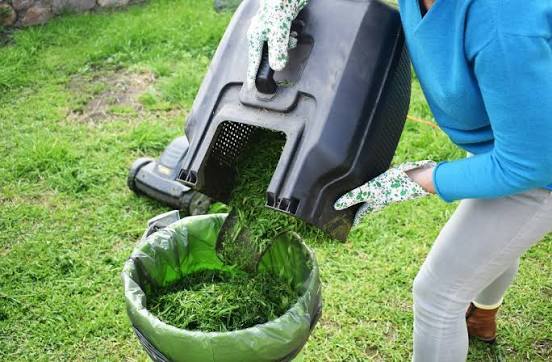
Managing garden waste in Sydney becomes stressful when the volume spikes after pruning, storms, or a landscaping job. A few weekends of “leave it for later” can turn into a bulky, messy pile that blocks paths and attracts pests.
Another stress point is uncertainty. People often do not know whether to use council bins, book a pickup, visit a facility, or organise a private collection.
How can you reduce garden waste before it starts?
Managing garden waste in Sydney is simpler when you reduce what you create. The fastest wins come from changing how you prune, mow, and plant.
You can mulch more often, mow little and often to avoid heavy clumps, and prune in smaller sessions rather than one big cutback. Choosing native plants suited to Sydney’s conditions can also mean less ongoing trimming and less leaf litter in the long run.
Should they mulch, compost, or bag everything?
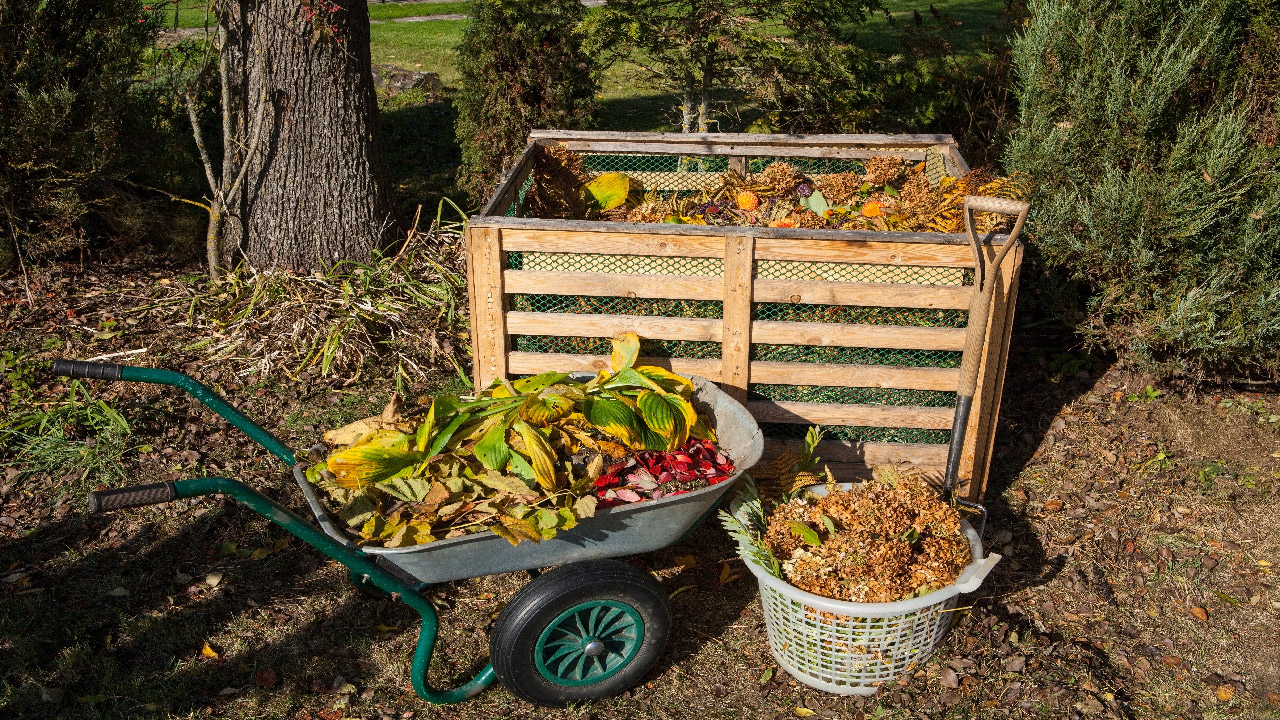
Managing garden waste in Sydney works best when they keep the useful material at home and only remove what they cannot reuse. Mulching is ideal for woody prunings and reduces evaporation in garden beds.
Composting suits leaves, small soft stems, and spent flowers, including many fresh-cut bloom leftovers. Diseased plant material and invasive weeds are usually better removed rather than composted, unless they are confident their system reaches safe temperatures.
What are the easiest council options for green waste in Sydney?
Managing garden waste in Sydney often starts with the simplest option: council-provided green bins and booked collections. Most local areas offer a green-lidded bin for garden organics, but rules vary on branch length, bundle size, and what counts as acceptable material.
They should check their local council page before filling a bin or preparing a pile. A five-minute check can prevent rejected pickups and wasted time.
When is professional tree work the smarter choice?
Managing garden waste in Sydney becomes safer when they do not try to handle risky tree work alone. If branches are large, high, close to power lines, or the tree looks unstable, a qualified arborist is the sensible call.
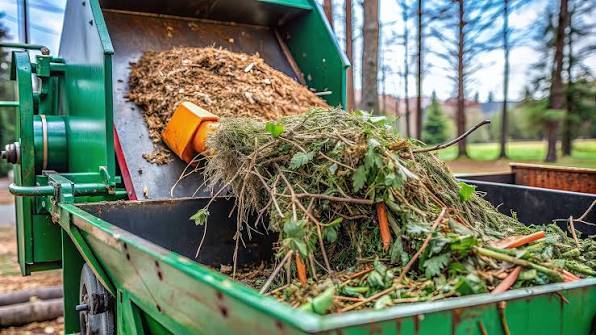
Professional tree crews can prune correctly, reduce hazards, and remove waste efficiently. That supports safe outdoor spaces and protects the long-term health of trees, especially valuable natives.
How do they handle storm debris without chaos?
Managing garden waste in Sydney after a storm is about speed, safety, and triage. First, they should clear access ways and remove anything dangerous, like hanging limbs or sharp splinters.
If a tree has split, lifted soil, or dropped major branches, it is a sign they should stop and get expert help. Many people create more damage by cutting incorrectly, so a calm assessment saves money and prevents injury.
What is the best way to sort and store green waste while waiting for removal?
Managing garden waste in Sydney is easier when it is stored neatly. Bundling branches with natural twine, keeping soft waste in breathable bags, and separating palm fronds from leafy material reduces mess and makes collection smoother.
Homeowners can also create a temporary “processing corner” with a tarp and a simple rule: chip or mulch what they can, compost what is safe, and only remove what is left.
Can landscaping projects be planned to minimise waste?
Managing garden waste in Sydney during landscaping is mostly about ordering, timing, and reuse. If they schedule pruning before green-bin weeks or booked collections, less material sits around.
They can also reuse clean green waste on-site. For example, chipped branches can become mulch, and leaf litter can be used under shrubs. Good design choices, like right plant, right place, reduce ongoing waste year after year.
What should they avoid doing with garden waste?
Managing garden waste in Sydney should never involve dumping in bushland, reserves, or waterways. That spreads weeds, pathogens, and pests, and it damages local ecology.
They should also avoid burning garden waste unless it is permitted and safe, which is rare in suburban Sydney. It creates smoke issues, neighbour disputes, and can breach regulations.
How can homeowners keep it low-effort all year?
Managing garden waste in Sydney stays low-effort when homeowners build a simple rhythm. A fortnightly tidy, a monthly mulch session, and seasonal pruning are easier than one giant clean-up.
They can keep basic tools ready: gloves, secateurs, a rake, and a way to contain cuttings. Most importantly, they should decide in advance where each waste type goes, so there is no second-guessing.
What is the simplest stress-free takeaway?
Managing garden waste in Sydney is least stressful when they combine prevention, reuse, and the right removal option. They should mulch and compost where possible, follow council rules closely, and use arborists for anything heavy or dangerous.
With that approach, managing garden waste in Sydney becomes a routine part of caring for trees, native plants, outdoor safety, and a beautiful garden that stays enjoyable all year round.
More to Read: 7 Signs You Need Sydney Tree Removal Before It Becomes an Emergency