

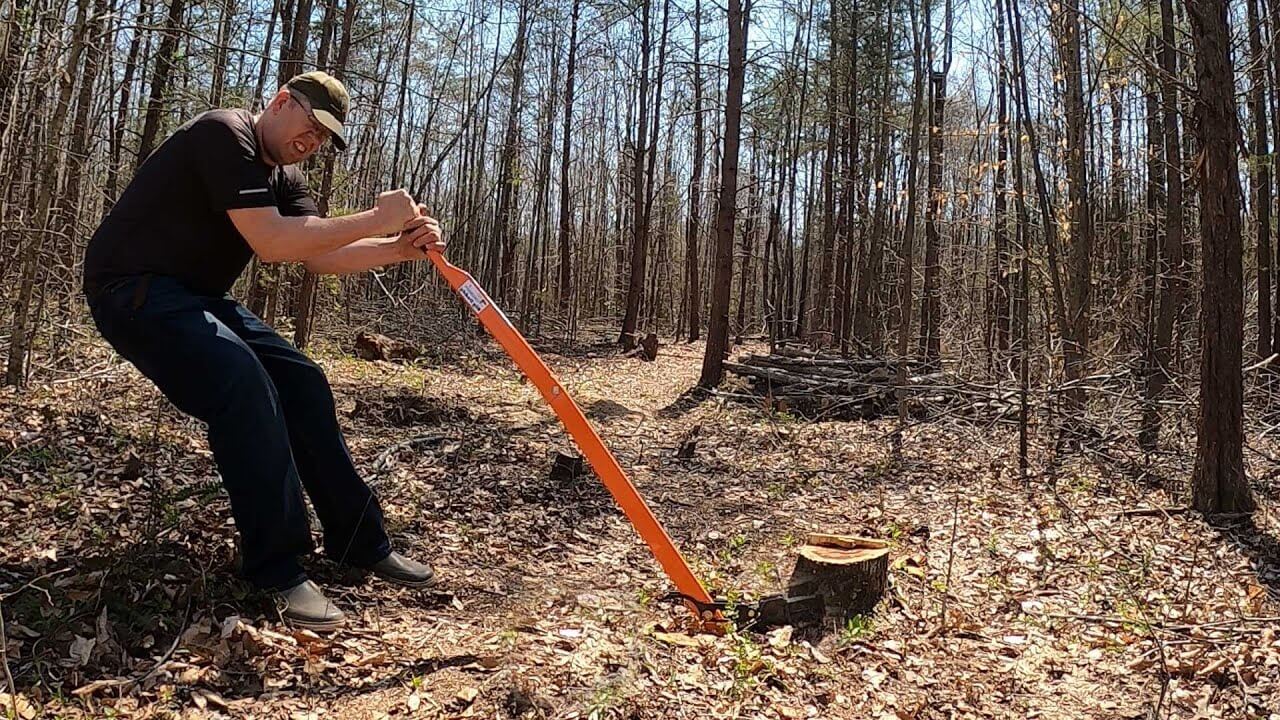
Tree removal feels like the hard part, but the stump often causes long-term headaches. Leaving a stump in place can create safety risks, attract pests, and make garden plans harder than they need to be.
For many properties, tree stump removal is less about appearance and more about preventing avoidable problems later.
Why can a tree stump become a trip hazard?
A stump can sit just proud of the surface, and people do not always see it until it is too late. It is particularly risky in long grass, leaf litter, low light, or where children play.
Even a low stump can catch toes, lawnmower wheels, and mobility aids. If the stump is near a driveway, path, or gate, the risk rises because foot traffic is higher and people move faster.
How can a stump damage lawns, mowers, and garden equipment?
Stumps and exposed roots can blunt mower blades, snap strimmer line, and damage deck edges. The repeated impact also stresses the machine and can lead to avoidable repairs.
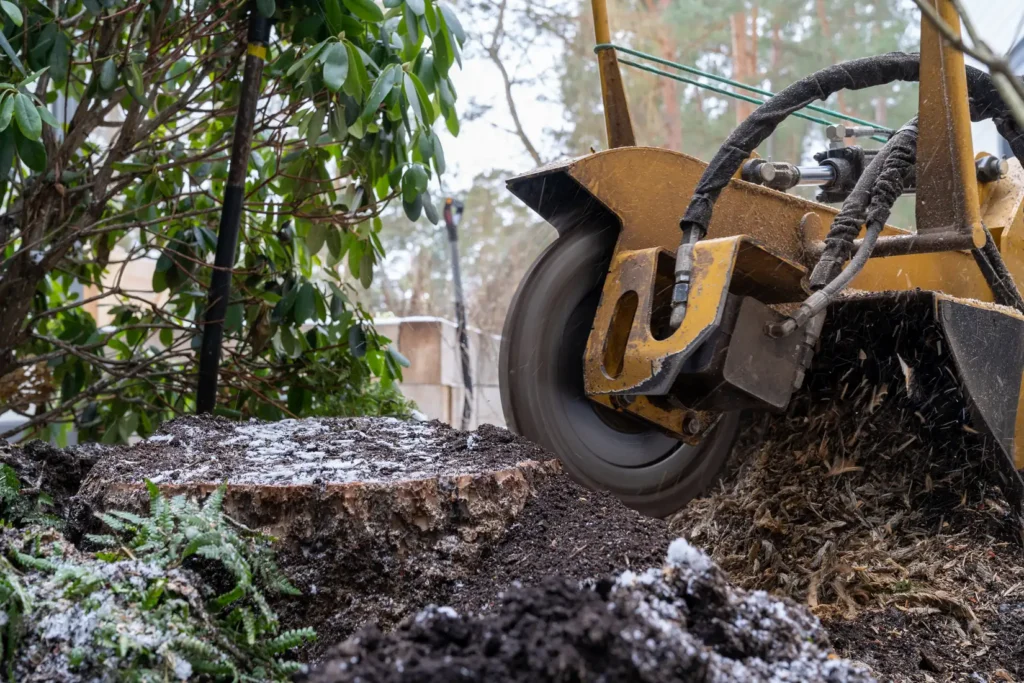
They can also make routine mowing awkward, leaving an untidy ring of longer grass around the stump. Over time, that patch can thin out, become muddy in winter, and turn into a persistent eyesore. Click here to learn also that is emergency tree removal really necessary for your property?
Why do stumps attract pests and unwanted wildlife?
As a stump decays, it becomes food and shelter for insects and small animals. Ants, beetles, and wood-boring insects often move in first, and that activity can draw in predators and scavengers.
In some cases, pests spread from the stump to fences, sheds, stacked firewood, or even nearby trees. The risk depends on the species, moisture levels, and how close the stump sits to buildings and timber structures.
Can leaving a stump encourage fungal growth and disease?
Yes, a decaying stump is a natural host for fungi, especially in damp or shaded spots. Some fungi are harmless, but others can spread through root systems and affect neighbouring plants.
Where the stump remains connected to living roots, decay organisms can travel along those roots. That can contribute to poor health in nearby shrubs, hedges, or trees, particularly in tight garden borders.
Will a stump keep trying to regrow the tree?
Some species are determined and can send up new shoots from the stump or roots. Those shoots can become a recurring maintenance problem because cutting them back rarely stops the cycle.
Regrowth also drains energy into unwanted growth rather than surrounding planting. In small gardens, repeated sprouting can be frustrating and can interfere with plans for new beds, paving, or turf.
How can a stump interfere with new landscaping plans?
A stump takes up usable space and limits what can be built or planted over the area. It can block new patios, paths, drive extensions, garden rooms, and even simple features like raised beds.
Even if the visible stump is small, the roots can be widespread and tough to work around. Digging near them is slow, and it is easy to damage tools or end up with uneven ground that will not settle properly.
Why can stumps cause uneven ground and drainage issues?
As a stump and its roots decay, they can leave voids in the soil. Those voids may collapse over time, creating dips and soft spots that collect water.
Poor drainage can then affect nearby turf and planting, encouraging moss and making the area boggy in winter. If the stump sits near hardstanding, uneven settlement can also cause cracks or wobbly edging over the long term.
Can a stump affect property value and kerb appeal?
A visible stump can make a garden look unfinished, even if everything else is well maintained. For buyers, it can signal “extra work” and raise questions about hidden roots, regrowth, or ground stability.
In rental properties, stumps can also become a management issue if tenants trip or if mowing becomes difficult. Removing the stump can be a simple way to keep the outside space looking cared for and low maintenance.
What are the safest ways to remove a tree stump?
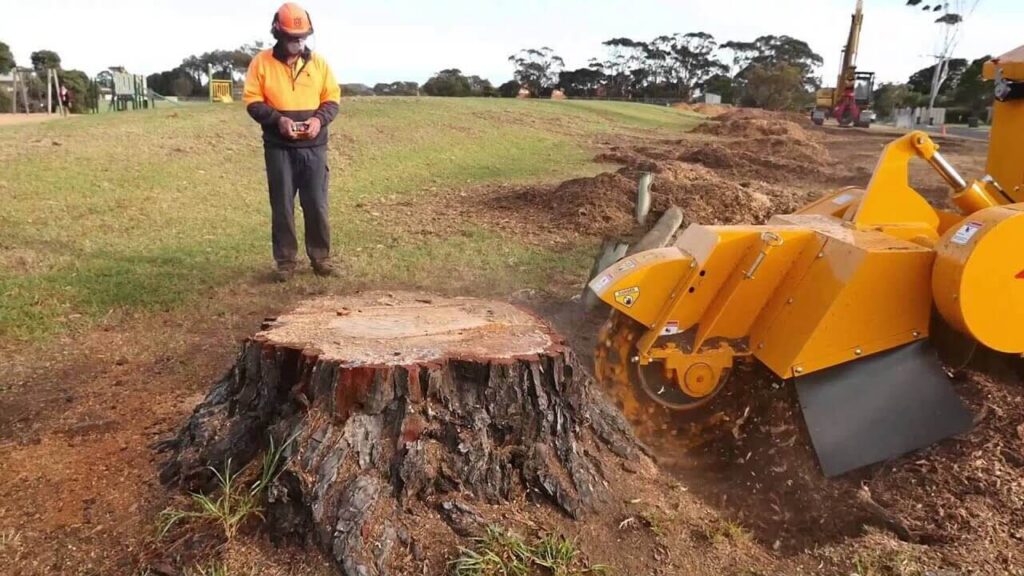
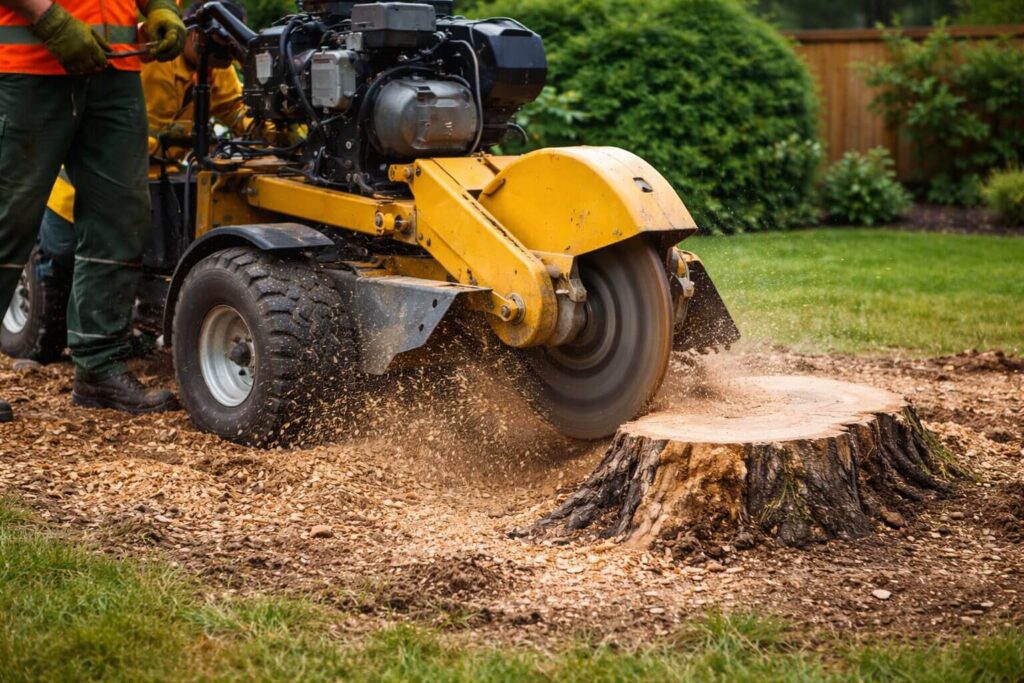
The safest method depends on stump size, access, and what will go in the space afterwards. Many homeowners choose professional stump grinding because it is fast, controlled, and leaves the area ready for topsoil and turf.
Digging out can work for small stumps, but it is labour-intensive and can disturb a wide area of soil. Chemical treatments exist, but they take time and may not suit gardens with pets, children, or sensitive planting nearby.
When should they call a professional for stump removal?
They should consider a professional if the stump is large, close to buildings, near utilities, or surrounded by paving and walls. Professionals can assess access, protect nearby surfaces, and remove the stump without unnecessary damage.
It is also sensible when the goal is a clean finish for re-turfing, planting, or construction. A proper removal plan reduces the chance of regrowth, sinking ground, or ongoing pest and fungal issues. Learn more about tree diseases that create hazards.
What is the simplest takeaway?
Leaving a stump can seem harmless, but it often becomes a source of trips, pests, regrowth, and disrupted landscaping. Removing it early is usually easier than managing the knock-on problems later.
FAQs (Frequently Asked Questions)
Why is it important to remove a tree stump after tree removal?
Removing a tree stump is crucial not just for appearance but to prevent safety risks, attract pests, avoid fungal growth, and make garden maintenance and landscaping easier. Leaving a stump can cause trip hazards, damage garden equipment, encourage pest infestations, and interfere with new planting or construction plans.
How can a tree stump become a trip hazard in the garden?
A stump often sits just above ground level and may be hidden by long grass, leaf litter, or low light conditions. This makes it easy to overlook, especially near paths, driveways, or play areas where foot traffic is higher and people move faster, increasing the risk of trips and falls.
In what ways can stumps damage lawns and garden machinery?
Stumps and exposed roots can blunt mower blades, snap strimmer lines, and damage equipment edges. They also create awkward mowing conditions leading to untidy patches of longer grass around the stump that may thin out or become muddy over time.
Why do tree stumps attract pests and how can this affect my property?
As stumps decay, they provide food and shelter for insects like ants, beetles, wood-boring insects, and small animals. These pests can spread to nearby structures such as fences, sheds, firewood stacks or even healthy trees, potentially causing wider infestations depending on species and moisture levels.
Can leaving a stump lead to fungal growth or disease in neighbouring plants?
Yes. Decaying stumps are natural hosts for fungi; some harmless but others pathogenic. If the stump remains connected to living roots, fungi can spread through root systems affecting nearby shrubs or trees, especially in damp or shaded garden areas with tight borders.
What are the safest methods for removing a tree stump from my garden?
The safest removal method depends on the stump’s size and location. Professional stump grinding is fast, controlled and prepares the area for turfing or planting. Small stumps may be dug out manually but this is labour-intensive. Chemical treatments exist but are slower and may not suit gardens with pets or children.