Trees are one of Sydney’s best assets, but the wrong tree in the wrong condition can become a serious hazard fast. If a tree is showing warning signs, Sydney tree removal may be the safest option before storms, termites, or simple gravity turn a manageable job into an urgent call-out.
This guide highlights seven practical red flags homeowners, horticulturalists, and garden lovers across Sydney and NSW can look for, plus what to do next.
Is the tree leaning more than it used to?
A sudden lean, or a lean that noticeably increases over weeks, often points to root failure or shifting soil. In those cases, Sydney tree removals may be needed because the tree can fall without much warning.
Leaning is especially concerning after heavy rain, construction, trenching, or driveway works. If the canopy weight is now pulling the trunk off-centre, the risk rises quickly in wind.
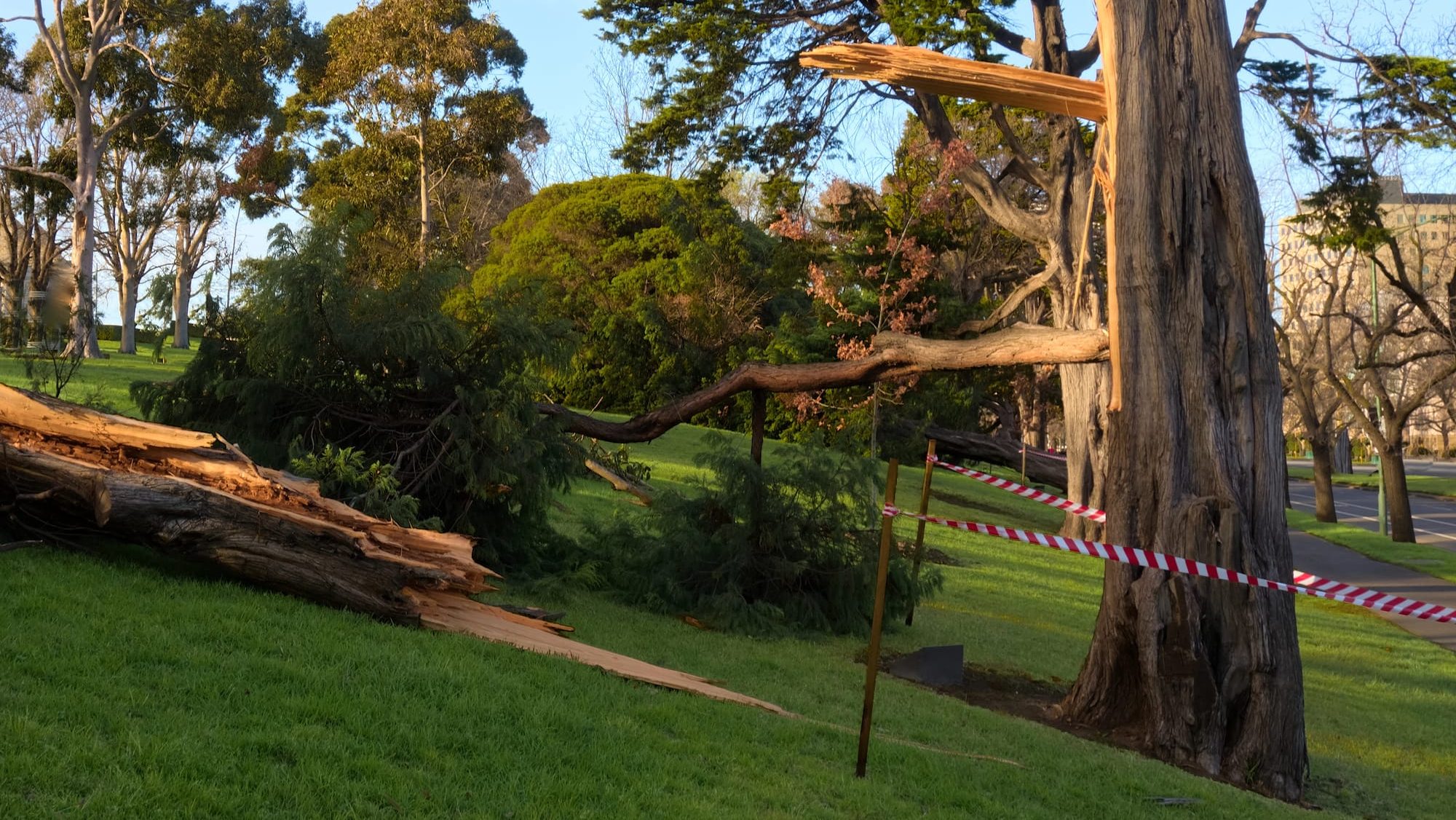
Are there cracks, splits, or bulges in the trunk?
Long vertical cracks, fresh splits, or bulging areas can indicate internal weakness. Even if the tree looks green and healthy, a compromised trunk can fail under load, which is why Sydney tree removal is sometimes recommended over pruning.
Cracks near major unions where large limbs meet the trunk are particularly risky. The tree may be signalling structural stress that cannot be stabilised long-term.
Are large branches dropping without obvious cause?
Unexplained limb drop, especially in still weather, can be a sign of decay, pest damage, or drought stress. When the tree is shedding heavy wood, Sydney tree removal may be the only reliable way to prevent injury or property damage.
This is not the same as light twig drop after a hot day. It is more like substantial branches falling that would seriously damage fences, cars, roofs, or outdoor living areas.
Are there dead or dying limbs throughout the canopy?
A few dead tips can be normal, but widespread deadwood across the canopy often means the tree is declining. If decline is advanced, repeated pruning can become an ongoing cost, and Sydney tree removal may be the more responsible choice.
Homeowners should look for brittle branches, sparse leaf cover, and sections that fail to leaf out in season. A declining canopy can also increase sun stress on gardens below as shade patterns change suddenly.
Is there fungal growth, rot, or hollows at the base?
Mushrooms, brackets, soft wood, and cavities near the base can point to root or butt rot. Because these areas bear the tree’s load, decay here can be dangerous, and Sydney tree removal is often considered sooner rather than later.
Not all fungi mean failure, but visible fruiting bodies usually suggest significant internal decay. Hollows that sound empty when tapped can indicate the tree is already compromised.
Are roots lifting paving, damaging pipes, or heaving structures?
Roots that are pushing up paths, cracking retaining walls, or affecting plumbing can turn into costly structural issues. When damage is ongoing and the tree cannot be managed with root barriers or pruning, Sydney tree removal may be needed to protect the site.
This is common near older clay pipes, tight courtyard gardens, or narrow verges. In small spaces, even well-chosen trees can outgrow their footprint over time.
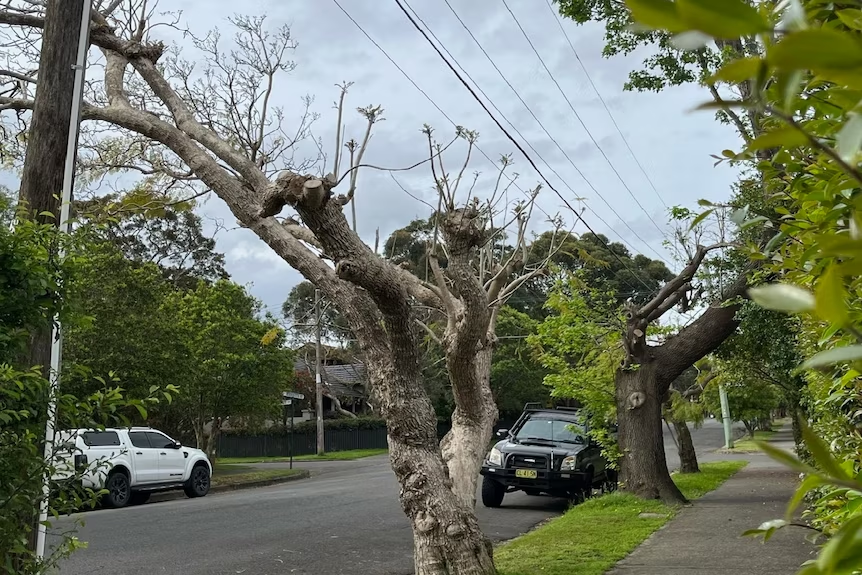
Is the tree too close to power lines, roofs, or neighbouring property?
If a tree’s canopy is encroaching on power lines, scraping roofing, or overhanging a neighbour’s home, the risk escalates during storms. In some cases, Sydney tree removal is the safest way to reduce liability and avoid emergency damage.
A proactive approach also helps preserve the rest of the landscape. It can prevent sudden canopy loss that harms understory plants and can allow for planned replanting with a more suitable native species.
What should they do if they spot one of these signs?
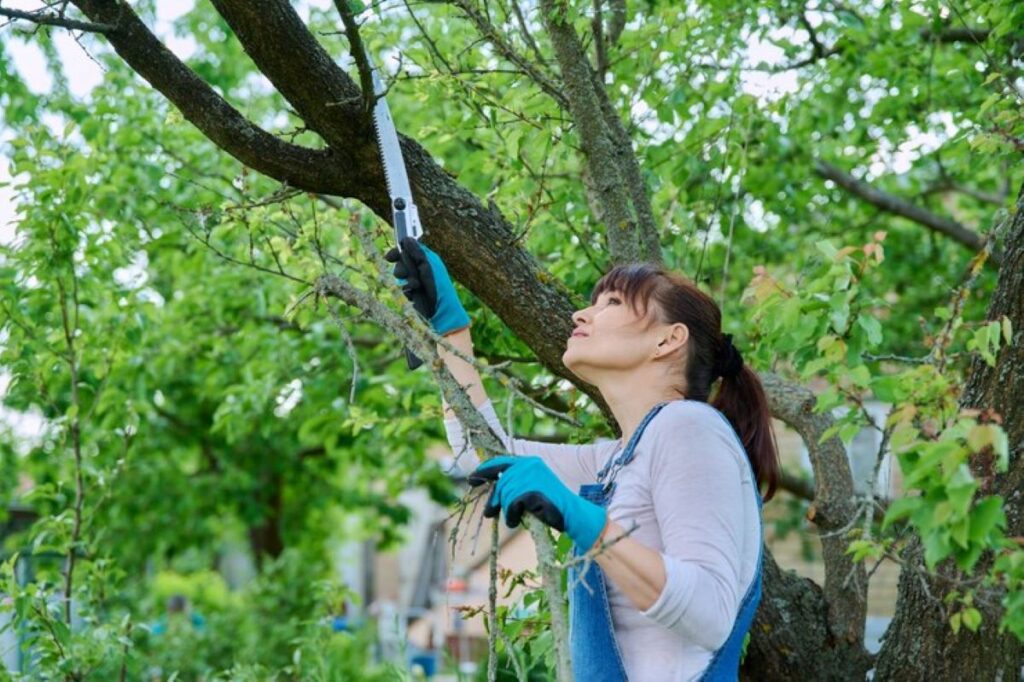
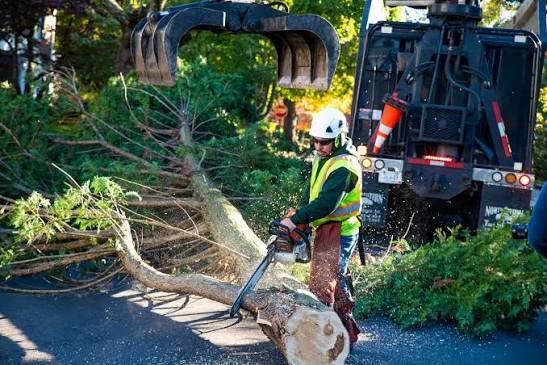
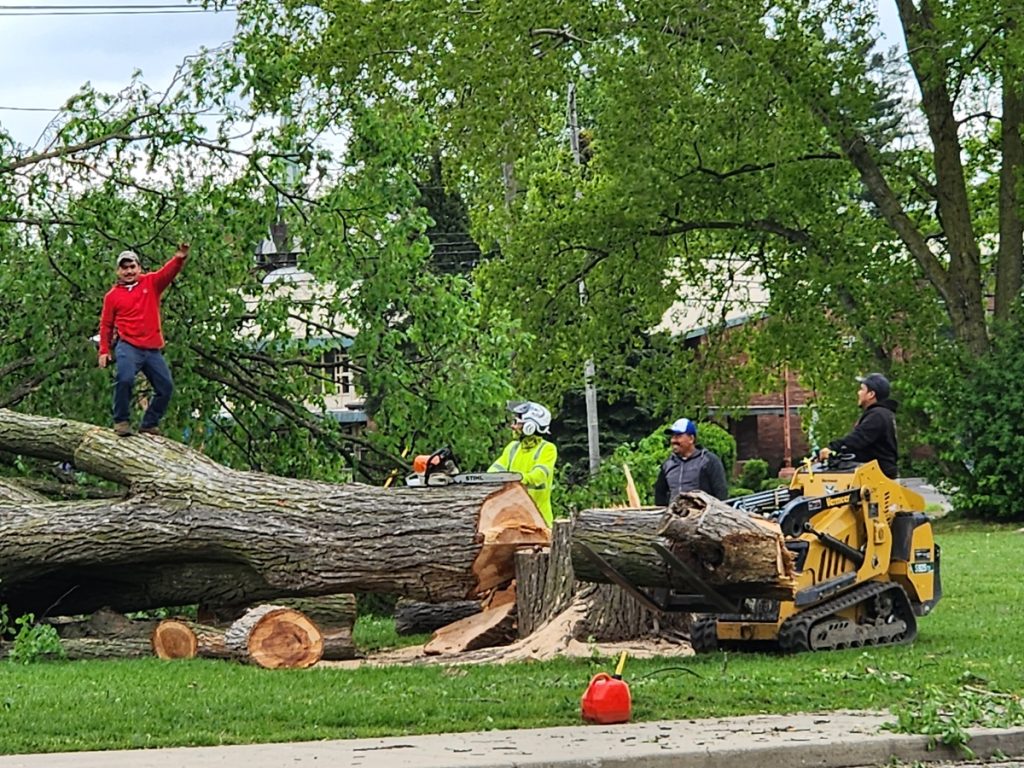
They should arrange an on-site assessment by a qualified arborist, then act quickly if the tree is unsafe. If removal is advised, Sydney tree removal should be planned with council rules, neighbour considerations, and access in mind.
They should also ask about green waste handling. Responsible services can mulch or remove material cleanly, and the space can be replanted with safer, site-suitable natives that support local ecology.
How can they keep the garden healthy after removal?
They can treat removal as a chance to redesign, not a loss. After Sydney tree removal, they can improve light, soil, and planting layout, then choose replacement trees that match the garden’s size and purpose.
Many Sydney gardens benefit from smaller natives, layered planting for habitat, and thoughtful spacing away from structures. With good planning, removal can lead to a safer outdoor space and an even more beautiful one.