Green bins feel simple until someone tries to put the wrong thing in them. Sydney councils each publish rules, but the pattern is consistent. Green waste removal Sydney councils will not collect usually includes bulky, treated, contaminated, or non-organic items, plus anything that risks workers, lorries, or compost quality.
This guide explains what typically gets rejected, why it matters, and what they can do instead when green waste removal Sydney councils will not collect a specific item.
What does “green waste” usually mean to Sydney councils?
It usually means garden organics that can be composted safely. Think lawn clippings, leaves, small branches, prunings, and weeds, placed loose in the correct bin. When green waste removal Sydney councils will not collect something, it is often because the material cannot be processed into compost or it introduces contamination.
Rules vary by council, so they should always check their local website for accepted items and any size limits.
Which timber and building materials will councils usually reject?
They usually reject timber that is treated, painted, stained, sealed, or glued. They also reject pallets, MDF, plywood, laminate, melamine, and any construction offcuts. These materials can contain chemicals or resins that do not break down cleanly and can ruin compost batches, which is why green waste removal Sydney councils will not collect them.
If it looks like “building timber” rather than a natural branch, it is often a no.
Why won’t councils take dirt, rocks, and turf with lots of soil?
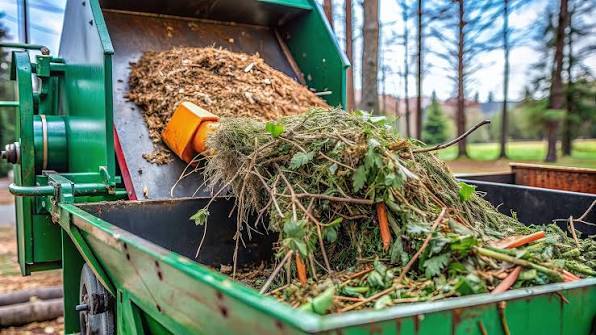
They usually refuse soil, sand, rocks, rubble, and heavy turf loads because they are too dense and can damage collection equipment. Excess soil also contaminates compost and increases processing costs. This is a common category of green waste removal Sydney councils will not collect, even when it comes from a garden.
If they are removing turf, they should shake off soil and follow their council’s turf guidance or use a dedicated disposal option.
What about food scraps and kitchen organics?
Some Sydney councils accept food organics in a FOGO service, while others do not. Where FOGO is not available, councils commonly reject food scraps, meat, dairy, oils, and cooked food. If their area is garden-only, green waste removal Sydney councils will not collect kitchen waste, even if it is “organic”.
They should check whether theirs is a green waste service or a combined food and garden organics service.
Which “natural” items still get rejected?
Even natural items can be refused if they are problematic to process. Common examples include large logs, tree stumps, palm trunks, bamboo, vine tangles, and very long branches. Size and thickness limits are a frequent reason green waste removal Sydney councils will not collect something that came from a garden.
If they are pruning a tree, they should cut branches down to the allowed lengths and bundle where required.
Are weeds and invasive plants always accepted?
Not always. Many councils accept common weeds, but they may reject declared noxious weeds or require special handling so seeds do not spread. If weeds are seeding heavily, some councils advise bagging and placing them in general waste. This is another situation where green waste removal Sydney councils will not collect certain vegetation to protect compost sites and local biodiversity.
They should look up their council’s weed disposal instructions before doing a big clear-out.
What plastics, bags, and packaging will councils refuse?
They generally refuse plastic bags, compostable bags (in many areas), packaging, plant pots, labels, and twine. Even small amounts of plastic can downgrade compost and create microplastic contamination, so green waste removal Sydney councils will not collect bins that contain visible rubbish.
The simplest rule is to place garden waste loose in the bin and keep all packaging out.
Will councils take pet waste, litter, or animal bedding?
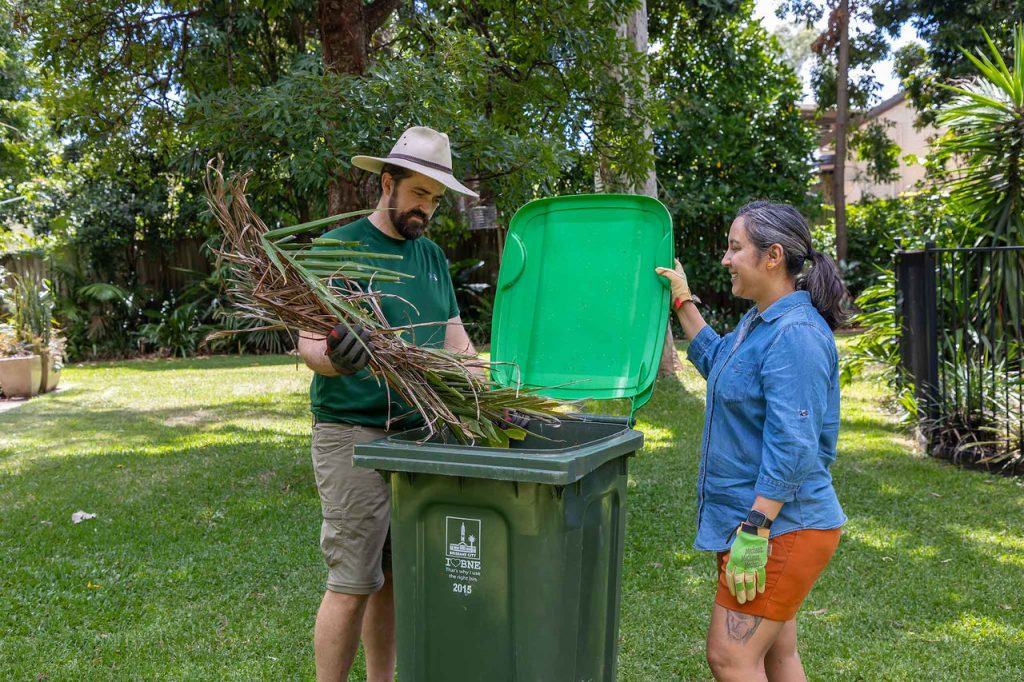
They usually refuse pet poo, kitty litter, and animal bedding because of pathogens and contamination risks. Even if it looks “compostable”, municipal compost facilities have strict standards. This is a clear example of green waste removal Sydney councils will not collect material that can introduce health risks.
They should dispose of these items via general waste unless their council provides a specific alternative.
Why are bins sometimes left uncollected even when the waste looks fine?
Bins can be rejected for practical reasons: overfilled lids, material sticking out, branches wedged tight, excessive weight, or contamination seen at the top. If a driver cannot safely lift it or if the load risks spillage, green waste removal Sydney councils will not collect the bin.
They should keep the lid closed, cut down branches, avoid compacting too tightly, and follow any weight guidance.
What about large branches, stumps, and whole tree removals?
Most councils do not provide a “tree removal” service through the green bin. They may offer booked clean-ups, scheduled chipping days, or drop-off options, but stumps and heavy trunk sections are commonly excluded. For big jobs, green waste removal Sydney councils will not collect the volume or size through kerbside bins.
If they are doing major pruning or removing a tree, they should plan for a separate service.
What alternatives exist when councils will not collect an item?
They can usually choose one of four options: book a private green waste pickup, hire a skip bin suited to garden waste, use a local transfer station, or process it at home. These options help when green waste removal Sydney councils will not collect a particular load or when they have too much for kerbside pickup.
They should compare cost, effort, and how quickly they need the waste gone.
When does home composting or mulching make sense?
It makes sense when the material is clean and manageable: leaves, grass clippings in thin layers, and small prunings. A mulcher helps reduce volume and produces mulch for garden beds. If green waste removal Sydney councils will not collect something due to volume limits, mulching can be a practical way to keep waste on-site.
They should avoid mulching weeds that are seeding or invasive unless they know it is safe to do so.
How can they avoid contamination and missed collections?
They should follow three habits: check the local accepted list, keep non-organic items out, and prepare waste to the right size. Most rejected bins are rejected for contamination, not because the household tried to break rules on purpose. Preventing rejection matters because green waste removal Sydney councils will not collect contaminated loads, and repeat issues can lead to warnings or service restrictions.
A quick glance before wheel-out often prevents the problem.
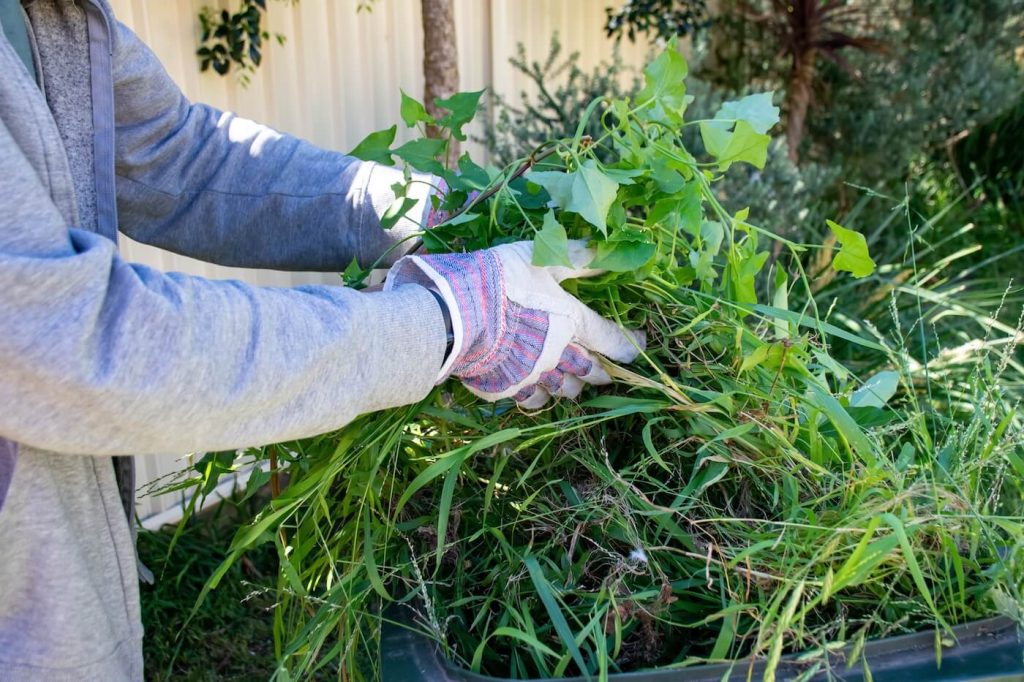
What is the quickest checklist for items councils won’t take?
They can treat this as a “likely no” list. Green waste removal Sydney councils will not collect items such as treated or painted timber, building offcuts, soil and rocks, plastics and packaging, pet waste and litter, and oversized logs or stumps. They also commonly reject bins that are overloaded, wedged, or visibly contaminated.
When in doubt, they should confirm with their council and choose an alternative disposal method.
FAQs (Frequently Asked Questions)
What types of waste do Sydney councils typically accept in green waste bins?
Sydney councils usually accept garden organics that can be safely composted, such as lawn clippings, leaves, small branches, prunings, and weeds. These should be placed loose in the correct green waste bin.
Why do Sydney councils reject treated timber and building materials in green waste collections?
Treated, painted, stained, sealed, or glued timber, along with pallets, MDF, plywood, laminate, melamine, and construction offcuts are rejected because they contain chemicals or resins that do not break down cleanly and can ruin compost batches.
Are food scraps accepted in Sydney’s green waste bins?
Acceptance of food scraps varies by council. Some offer a FOGO (Food Organics and Garden Organics) service that accepts food organics. However, many councils with garden-only services do not collect food scraps, meat, dairy, oils or cooked food in green waste bins.
Why are items like dirt, rocks, turf with soil often excluded from green waste collection?
Soil-heavy items like dirt, sand, rocks, rubble and turf loads are typically refused because their density can damage collection equipment and contaminate compost. Councils advise shaking off soil from turf and following specific disposal guidelines.
How should residents handle large branches or tree stumps that councils won’t collect?
Most councils exclude large logs, tree stumps and heavy trunk sections from kerbside green waste services. Residents should cut branches to allowed sizes and bundle them where required or arrange for booked clean-ups, scheduled chipping days or drop-off options for major pruning or tree removal.
What alternatives exist if Sydney councils will not collect certain green waste items?
When councils don’t collect specific items, residents can book private green waste pickups, hire skip bins suited for garden waste, use local transfer stations or process some materials at home to manage their green waste responsibly.