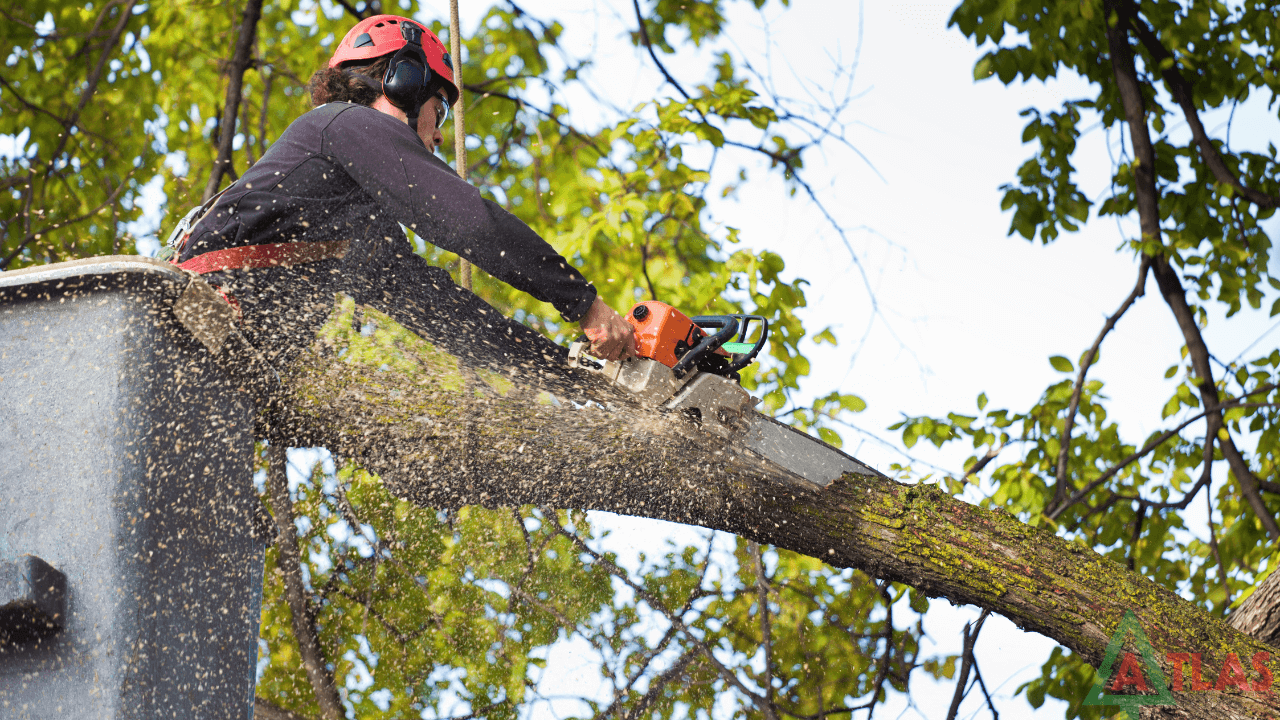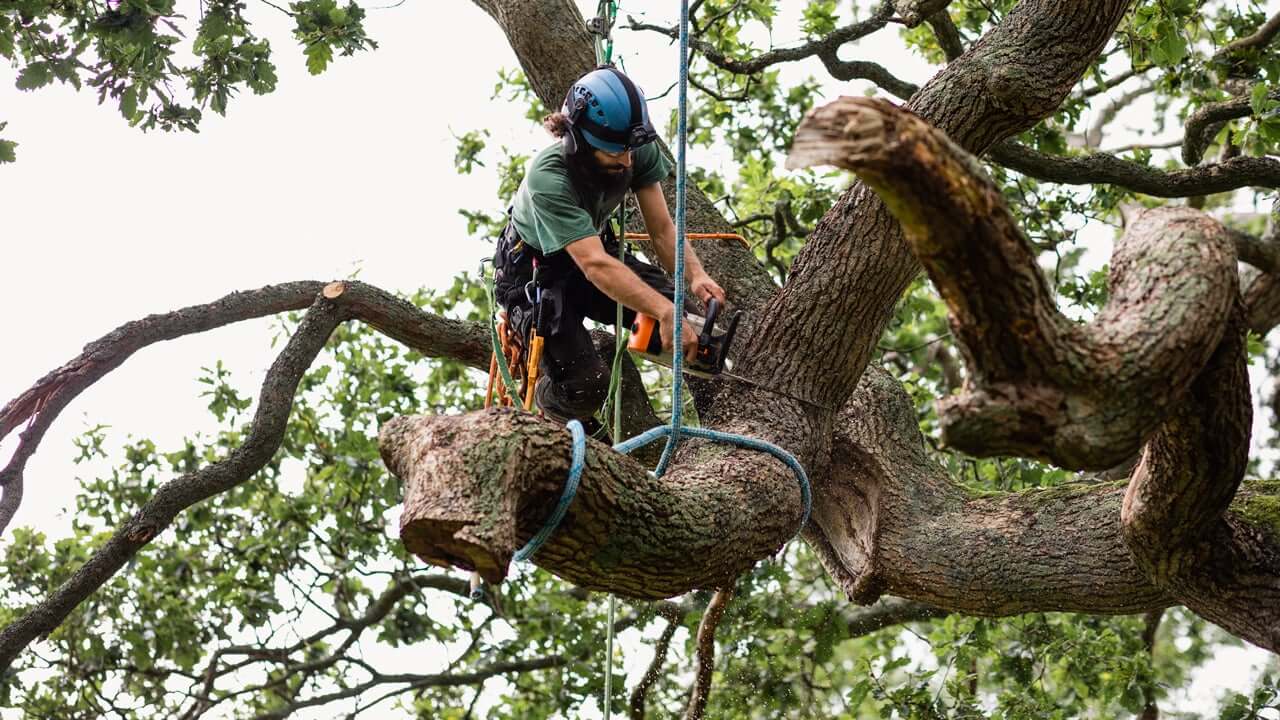
The beautifully manicured landscape outside can sometimes be deceiving. While a quick call to a tree lopping service might seem like the answer, there are instances where this approach only offers a temporary fix. Understanding both the advantages and limitations of tree lopping can help homeowners and property managers make well-informed decisions that balance aesthetic appeal with long-term safety and health for their trees.
The Benefits of Professional Tree Lopping
Enhancing Curb Appeal and Aesthetic Value
Tree lopping can instantly uplift the appearance of a property. By selectively removing branches, expert tree loppers create balance and symmetry, which significantly improves curb appeal. A well-tended landscape can also boost property value and make a home or commercial property more inviting.
Restoring balance is as much an art as it is a science. Experienced professionals know exactly where to make cuts so the tree maintains its structural integrity while looking more appealing. The visual transformation can be dramatic, providing a neat and tidy look that appeals to potential buyers or visitors.
Effective Space Management and Safety
One of the practical benefits of tree lopping is space management. Overgrown branches can interfere with power lines, rooftops, fences, or driveways. Removing these can prevent costly damage and ensure that pathways remain clear and accessible.
By trimming trees back, lopping prevents them from becoming hazards. While the industry employs thousands of professionals to handle this delicate work, the trees themselves receive more room to thrive if maintained correctly. It is essential, however, to pair such trimming with regular tree care practices to ensure long-term health and stability.
Preventing Structural Damage and Disease
Regular tree lopping can reduce the risk of branch failure during severe weather, particularly important in areas prone to storms or high winds. It helps avoid potential damage to the property that can occur when large branches are blown down unexpectedly.
Health is another vital aspect. Overcrowded trees are more vulnerable to diseases and pest infestations. By selectively removing branches, you allow more light and air circulation, thus promoting a healthier ecosystem for the tree and reducing the likelihood of decay or insect infestation.
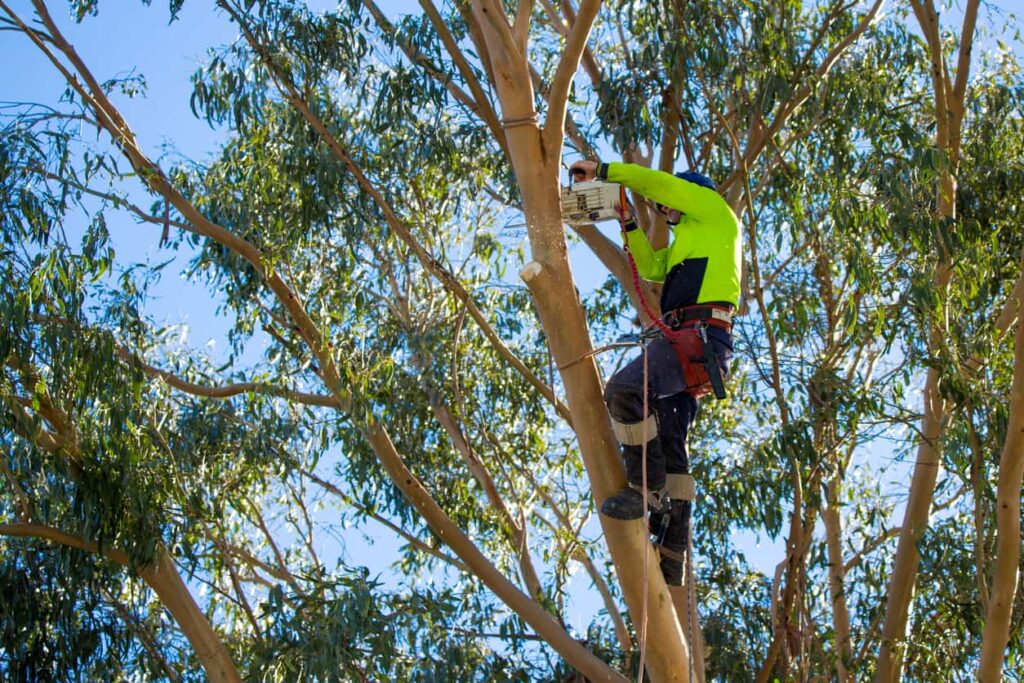
The Limitations of Tree Lopping as a Long-Term Solution
Temporary Aesthetic Improvements
Many property owners experience a boost in visual appeal immediately following a tree lopping service. However, these improvements may be fleeting. Without addressing the underlying growth patterns and health issues of the trees, re-growth can occur rapidly.
The process effectively masks underlying problems rather than solving them. For example, a tree that is structurally compromised due to disease or pest infestation might not recover fully from a lopped state. This can result in recurring issues long after the initial treatment, meaning that the service ends up being only a temporary cosmetic fix.
Impact on Tree Health and Recovery
While tree lopping can be beneficial when done correctly, excessive or improper cuts can severely stunt the tree’s growth. A tree is best served by a regular regimen of maintenance that prioritises its health, rather than sporadic, drastic measures that compromise its natural form.
Improper techniques increase the risk of infection by exposing internal tissues to pathogens. Long-term ramifications such as decay or weakening of the structure can be much more hazardous, potentially leading to higher risks of branch failure or even the loss of the tree entirely.
Recurring Maintenance Costs
Property owners may find that tree lopping only addresses immediate concerns, resulting in the need for more frequent interventions. Regular maintenance is necessary to keep trees in proper condition, and this comes at a cost. Repeatedly paying for tree lopping services may not be economically sustainable in the long run.
In many cases, investing in comprehensive tree care, which includes disease management, proper pruning techniques, and preventative measures, is more cost-effective over time. It is crucial to balance aesthetics with the long-term health of your trees, which might sometimes mean avoiding overly aggressive lopping strategies.
Understanding the Risks Involved in Tree Trimming and Lopping
Downsides of Ignoring Safety Practices
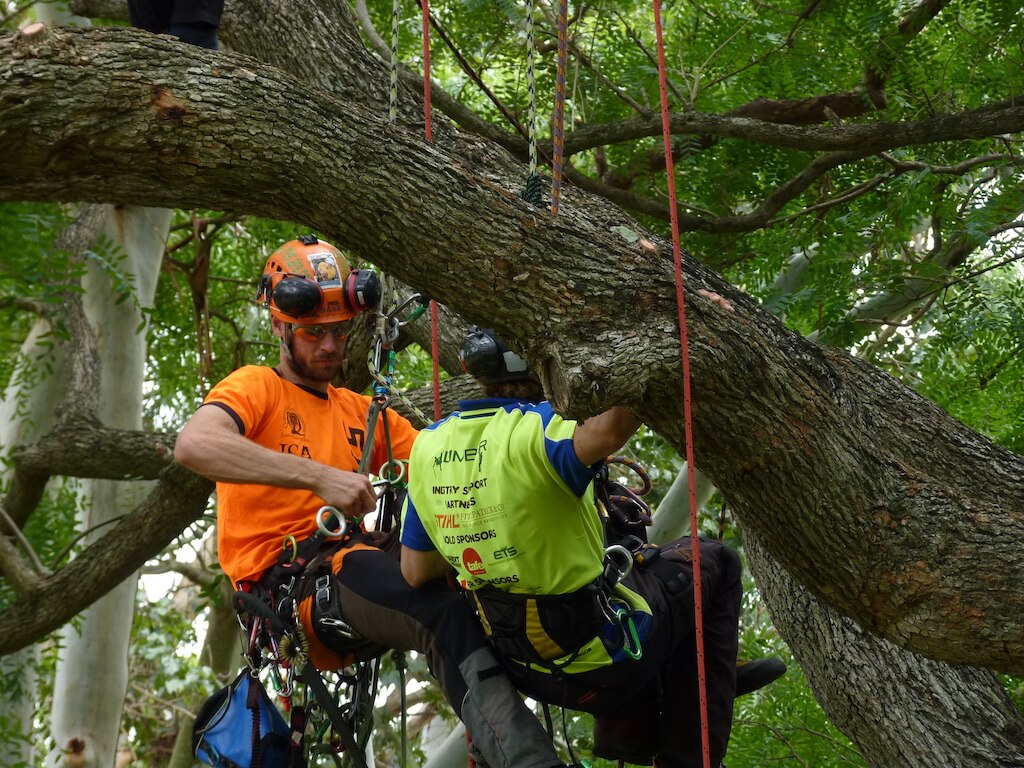
The tree care industry, including tree trimming and lopping, can be dangerous. The statistics are sobering, with fatality rates significantly higher than in many other industries. Among those involved, about 65% of fatalities occur during tree felling, while 20% take place during trimming and lopping.
Balancing safety with efficiency is paramount. Inadequate safety measures and rushed jobs can lead to horrendous accidents, as evidenced by data from recent studies. Both clients and service providers must prioritise safety, not just to comply with regulations, but also to preserve lives. This focus on safety is particularly relevant in unstable or rapidly-growing trees where the structure may be more vulnerable.
Economic Impact on the Industry and Workers
The tree trimming services industry employs a considerable number of relocated skilled professionals – in 2025 alone, employment figures reached over 310,000 with a modest growth in the sector. This growth comes with the expectation of higher safety standards and improved working conditions.
However, the industry’s economic aspects reveal a trade-off between cost and safety. Employers are under pressure to balance competitive pricing with investments in comprehensive training and modern safety equipment. The reality is that while safety protocols continuously evolve, the rate of fatalities remains a sobering reminder of the work’s inherent dangers. You may visit https://www.rba.gov.au/education/resources/explainers/australia-and-the-global-economy.html to get more about Australia’s economic and labour market outlook.
Best Practices for Reducing Hazards in Tree Care
The industry recognises the importance of safety, particularly for tree trimmers who face hazardous conditions. Comprehensive training programmes are essential for reducing the risks involved in tree felling, trimming, and lopping.
Employers must support a culture of continuous learning and investment in personal protective equipment. This means not only investing in quality gear but also ensuring that safety protocols are updated in line with industry standards. It is imperative that every operation begins with a thorough risk assessment to ensure that all potential hazards are accounted for and mitigated.
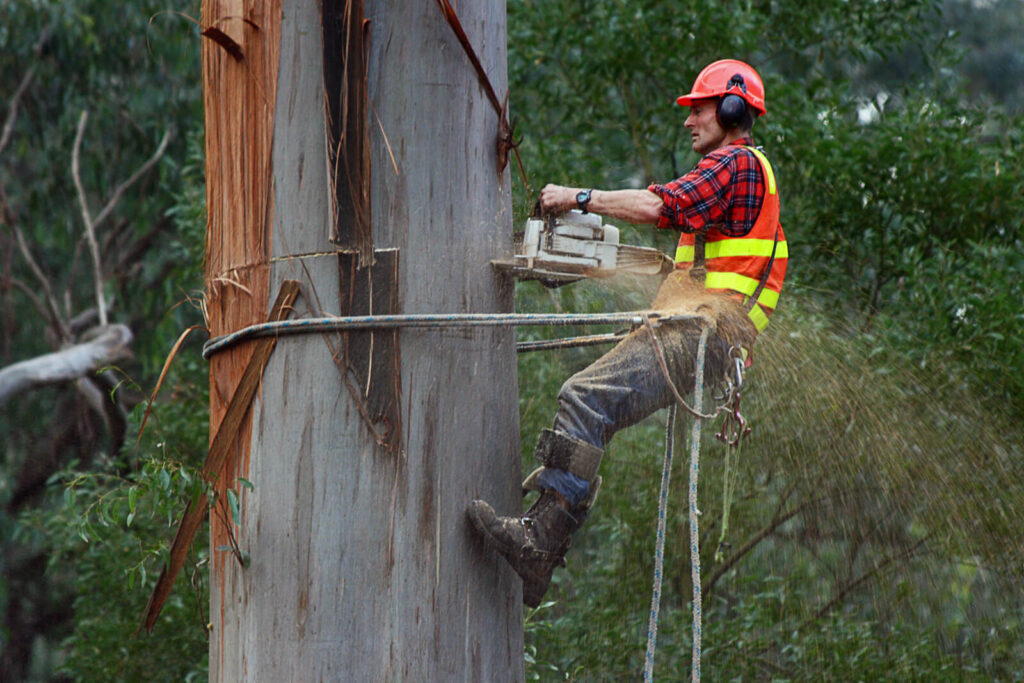
Long-Term Strategies for Sustainable Tree Care
Preventative Maintenance Versus Quick Fixes
Inevitably, striking the right balance between preventative maintenance and corrective procedures is essential to sustain a healthy landscape. While tree lopping offers quick enhancements, integrating broader tree care strategies ensures long-term stability. This might involve scheduled pruning, detailed health assessments, and the early detection of potential issues such as diseases or structural weaknesses.
Regular, small-scale maintenance can be far more beneficial than waiting for larger, more severe problems to manifest. By reducing the need for drastic interventions, not only do trees remain healthier, but the landscape retains its aesthetic appeal over time. Investing in a regular maintenance plan positions both homeowners and tree care professionals to effectively manage growing challenges in a sustainable manner.
Embracing Holistic Tree Health Management
Holistic tree care goes beyond surface-level trimming and lopping. The emphasis lies on the tree’s complete well-being, ensuring that each decision supports both immediate aesthetic needs and future growth. This strategy involves a deep understanding of tree physiology, recognising the need for a balanced approach that cares for both the tree and its environment. Learn more about tree physiology.
Tree care experts recommend periodic assessments, soil condition improvements, and targeted fertilisation programmes, all of which contribute significantly to root and canopy health. Thoughtful planning, combined with advanced techniques, supports trees in realising their full potential, reducing the need for reactive, temporary fixes and stabilising overall landscape integrity.
Integrating Technological Advances in Tree Maintenance
Technology is steadily reshaping the way tree care services operate. Tools like drones for aerial inspections, advanced diagnostic software, and even GIS mapping for large properties are making it easier to monitor tree health more effectively.
This modernisation is not only enhancing precision but also significantly reducing the risk associated with traditional methods. The increased adoption of these smart solutions means that potential problems can be identified early, allowing for targeted remedies that address the root cause rather than merely the symptoms.
Expert Opinions on Tree Lopping and Its Future Direction
Industry Insights into Effective Lopping Techniques
Experts have long maintained that the art of tree lopping rests on precision and correct technique. They advise that any approach must be carefully tailored to the individual tree, accounting for its species, age, and overall health. It is not enough to simply cut away the branches; understanding the tree’s natural growth pattern is crucial in preventing any long-term damage.
Many professionals argue for a shift away from aggressive lopping towards more measured, conservation-focused practices. The goal is to improve aesthetics and functionality without compromising the tree’s inherent ability to recover and flourish. It often means combining lopping with other tree care strategies like selective pruning and disease management.
Comparing Tree Lopping to Other Tree Maintenance Practices
Tree care encompasses a broad spectrum of practices beyond lopping. Techniques such as crown thinning, crown reduction, and selective pruning all have distinct advantages depending on the tree type and its environmental context. Expert insights reveal that a one-size-fits-all approach rarely yields the best results.
While lopping can temporarily resolve issues like branch overgrowth, a comprehensive approach that includes early diagnosis and targeted interventions can prevent recurring problems. Owners are encouraged to consult with specialists who can design a tailored plan, ensuring that each tree receives the care it requires for consistent, long-term health.
Future Trends: Sustainability and Safety in Tree Care
The future direction of tree care is closely linked to advancements in sustainability and safety. With growing awareness of environmental concerns and the inherent risks in tree maintenance, the industry is moving towards more eco-friendly and secure practices.
Innovative methods that combine environmental conservation with sophisticated safety protocols are set to dominate the sector. In Australia and beyond, the drive to reduce hazardous working conditions while promoting tree health is not just a trend-it represents a necessary evolution in the way tree care is approached and executed.
Advice for Homeowners Considering Tree Lopping Services
Questions to Ask Before Engaging a Service
When contemplating tree lopping services, homeowners should adopt a cautious, informed approach. It is essential to ask critical questions about the service provider’s qualifications, safety protocols, and the long-term health implications of their methods. Inquire about the expertise of the technicians and whether they conduct thorough assessments prior to lopping.
It is also wise to ask about follow-up services. A reliable provider will offer maintenance plans that go beyond the immediate aesthetic improvements and include strategies for ensuring the tree’s continued resilience. Transparency about techniques and a clear explanation of potential risks can go a long way towards building trust.
Evaluating the Overall Impact on Your Landscape
Every tree within your property contributes to the overall character and safety of your landscape. Rather than opting for a quick fix, evaluate how tree lopping will interact with existing growth patterns and whether it might exacerbate long-term issues. Consider whether additional practices such as soil management, irrigation, and targeted pruning might complement a lopping service.
Understanding these interactions can prevent scenarios where temporary improvements give way to recurring challenges. A comprehensive evaluation should involve not only the visual outcome but also an appreciation for the ecological dynamics at play. A balanced approach that considers both immediate needs and future sustainability is always preferable.
Investing in Comprehensive Tree Health
Homeowners are often advised to view tree care as a long-term investment in the character and safety of their properties. While tree lopping serves a vital aesthetic and practical purpose, it is only one part of a broader strategy that includes regular health monitoring and proactive maintenance.
By investing in comprehensive tree health, property owners secure not just the visual appeal of their outdoor space, but also its structural integrity and environmental benefits. In this light, preventative actions and holistic management become more cost-effective and beneficial over time than sporadic, reactive lopping services.
Conclusion: Balancing Aesthetics with Long-Term Tree Health
Making Informed Decisions for Sustainable Landscapes
Choosing tree lopping services requires a clear understanding of both the immediate benefits and the long-lasting effects on tree health. Rather than relying solely on quick fixes, a balanced approach that integrates preventative care and regular monitoring offers the best chance for a thriving, safe landscape.
Assessing the needs of your trees, understanding the limitations of lopping, and exploring additional tree care techniques will ensure that your investment yields lasting benefits. A thoughtful, informed decision now can prevent recurring issues down the line while maintaining the beauty and functionality of your outdoor spaces.
The Role of Professional Advice in Tree Management
Expert guidance is invaluable for anyone facing the complex decisions involved in tree care. Whether you are a homeowner looking to improve curb appeal or a property manager dealing with larger estates, professionals bring insights that cover both aesthetics and safety. The balance between aesthetic improvement and long-term viability is delicate, and professional advice can tip the scales in favour of sustainability.
Continuously engaging with experienced tree care specialists ensures that the interventions chosen support both the immediate appearance and the enduring health of your trees. Ultimately, informed, proactive management is the foundation of a resilient landscape.
Final Thoughts on Sustainable Tree Lopping Practices
Tree lopping, when integrated correctly into a broader tree care strategy, certainly has its place. However, relying solely on lopping as a fix might only temporarily hide underlying issues. A combination of preventative measures, professional evaluations, and thoughtful maintenance practices results in a sustainable, visually appealing, and safe landscape.
The need to prioritise long-term health is increasingly clear given the hazards present in the industry and the potential risks associated with improper practices. By taking these insights to heart, homeowners and property managers alike can build a safer, greener environment that stands up to both nature’s challenges and time.
Additional Resources for Homeowners and Professionals
- Consult local tree care certification bodies to verify the credentials and safety records of service providers.
- Review detailed industry reports that offer insights into employment trends and safety practices in the tree care sector.
- Consider attending local workshops or seminars on sustainable landscaping and tree maintenance.
- Explore case studies and expert blogs from reputable sources, which detail successful approaches to long-term tree health management.
Whether you choose tree lopping as a quick solution or as a component of a comprehensive care plan, the underlying message remains clear: proactive, thoughtful interaction with nature yields the best results. Take the time to understand the unique needs of your trees and invest accordingly in their long-term health and beauty. After all, a resilient landscape enhances not just property value, but also the natural enjoyment of your environment.