

What is Emergency Tree Removal in Sydney and Why is it Important?
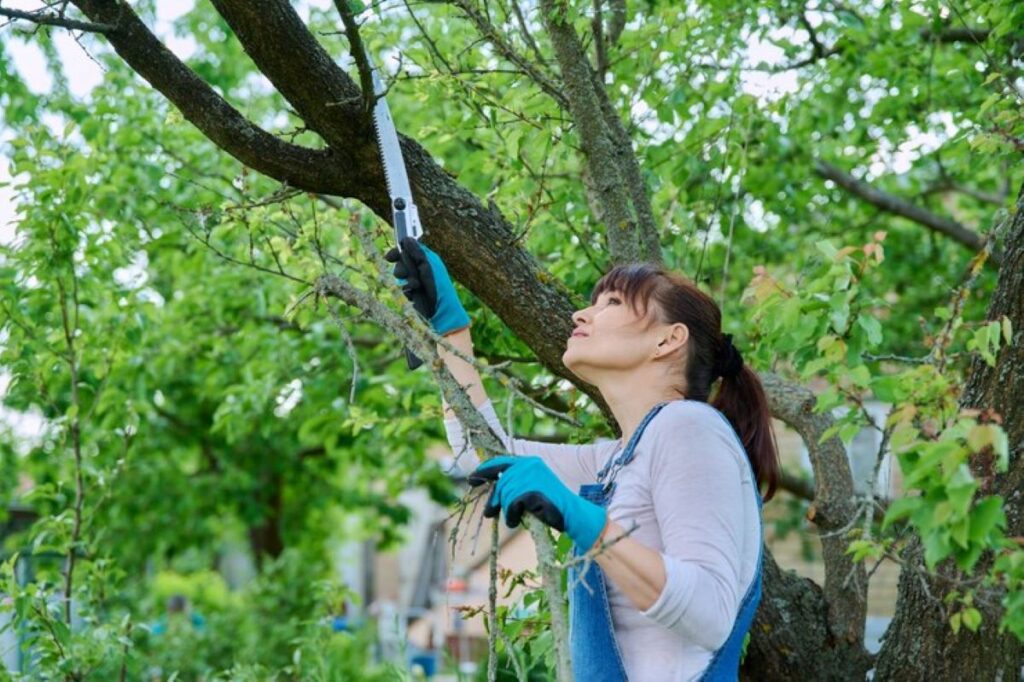
Emergency Sydney tree removal refers to the urgent extraction of trees that pose immediate threats to people, property, or infrastructure. This service operates around the clock, responding to situations where trees have become unstable, damaged, or fallen due to storms, disease, or structural failure.
The necessity of tree removal becomes critical when delay could result in injury or significant property damage. A compromised tree doesn’t wait for convenient timing—it can collapse without warning, crushing vehicles, damaging roofs, or severing power lines. Property owners who act swiftly minimise both physical risks and potential legal liability.
Immediate Dangers Posed by Hazardous Trees in Sydney
Properties in Sydney may face several immediate dangers from hazardous trees:
- Structural damage: Falling trunks or major limbs can cause damage to homes, garages, and outbuildings.
- Injury risks: Unstable branches pose risks to residents, visitors, and pedestrians.
- Power disruptions: When trees come into contact with or threaten electrical infrastructure, power supply may be affected.
- Access blockages: Fallen trees can prevent emergency vehicles from reaching properties.
- Secondary damage: Trees leaning against structures can create ongoing pressure and cause further harm.
Trees weakened by internal decay may appear healthy externally whilst harbouring dangerous instability. Storm-damaged trees often hang precariously, held only by splintered wood or neighbouring vegetation. These scenarios demand professional assessment and rapid response to prevent the situation from escalating into a catastrophic failure that could have been prevented through timely intervention.
What Conditions Make a Tree Removal an Emergency in Sydney?
Emergency tree conditions require prompt action through Sydney tree removal when a tree’s structural integrity is compromised, posing an immediate danger to people or property. This includes storm-damaged trees, hazardous trees encountered by Sydney residents, and trees affected by severe decay that present a clear and present risk.
What Natural Events Trigger Emergency Tree Situations?
Severe storms are the most common cause of emergency tree removals across Sydney properties. High winds exceeding 90 km/h can break branches, uproot entire trees, or cause partial trunk failures. Heavy rainfall saturates soil, reducing root anchorage and making trees vulnerable to toppling, especially those with shallow root systems or compromised root zones.
Sustained wind damage gradually weakens tree structures, creating stress fractures in trunks and major limbs. Trees exposed to prevailing winds or those growing in open areas often develop hidden structural weaknesses that suddenly become apparent during weather events.
Internal decay caused by fungal infections or insect infestations hollows out trunks and branches from within. Property owners may not notice these problems until a tree unexpectedly fails, as the outer bark often appears healthy while the interior wood loses its structural strength. For more information on such decay, refer to this resource.
How Can You Identify a Tree Requiring Immediate Removal?
Recognising warning signs helps property owners determine when professional assessment becomes urgent:
- Visible cracks or splits in the trunk or major branches, particularly those extending deep into the wood
- Significant lean exceeding 15 degrees from vertical, especially if the lean developed suddenly
- Exposed or lifted roots on one side of the tree, indicating potential instability
- Large dead branches hanging dangerously over structures, vehicles, or pedestrian areas
- Fungal growth at the base of the trunk, suggesting advanced root or trunk decay
- Hollow sections in the trunk that compromise structural integrity
- Bark peeling extensively from the trunk, indicating the tree is dying or already dead
Trees showing multiple warning signs at once need immediate professional evaluation since the combination of factors greatly increases failure risk.
What Emergency Scenarios Demand Urgent Professional Response?
Fallen trees blocking driveways or access roads create immediate safety hazards and prevent emergency.

How Do Emergency Tree Removals Safeguard Property and Public Safety?
Emergency tree removals directly prevent catastrophic damage to residential and commercial structures. A compromised tree weighing several tonnes can crush roofing, puncture walls, or completely demolish smaller buildings when it falls. Vehicles parked beneath unstable trees face similar destruction, with falling limbs or entire trunks capable of totaling cars within seconds.
Infrastructure vulnerabilities multiply when hazardous trees remain unaddressed:
- Power lines severed by falling branches create electrical hazards and widespread outages
- Water mains and sewage systems damaged by root balls or falling trunks
- Roadways blocked by debris, preventing emergency vehicle access
- Telecommunications cables torn down, disrupting essential services
The financial implications extend beyond immediate repair costs. Property owners face potential liability claims if their negligent tree causes injury or damage to neighbouring properties. Insurance complications arise when documented hazards weren’t addressed promptly, potentially voiding coverage for preventable incidents.
In such scenarios, risk reduction tree removal becomes critical for pedestrian safety in high-traffic areas. Footpaths beneath leaning trees transform into danger zones where falling branches strike without warning. School zones, shopping precincts, and parks require immediate attention when trees show instability, as the concentration of people amplifies potential casualties.
Residents living near compromised trees experience constant anxiety about structural failure. Bedroom walls adjacent to leaning trunks, children’s play areas beneath dead branches, or driveways under split limbs create daily stress. Professional emergency removal eliminates these psychological burdens whilst addressing tangible threats.
Property protection through timely intervention prevents cascading damage scenarios. A single fallen tree can trigger multiple insurance claims: the initial structural damage, secondary water intrusion from compromised roofing, mould growth from prolonged exposure, and temporary accommodation costs during repairs. Swift removal limits damage to the initial impact point.
Storm-damaged trees pose escalating risks as weather conditions worsen. Partially fallen trees caught in neighbouring canopies become unstable pendulums, swinging unpredictably during subsequent wind events. Split trunks held together by bark strips can separate without warning, dropping massive sections onto whatever lies beneath.
Public safety considerations extend to emergency responders who must navigate around hazardous trees during crises. In addition to immediate dangers posed by these trees, there are also long-term environmental impacts that need to be addressed. Implementing FEMA mitigation ideas can help manage these risks effectively while ensuring public safety and property protection are prioritized during such emergencies.
Why is It Crucial for Professionals to Handle Emergency Tree Removal?
Professional arborists Sydney bring certified expertise and specialised equipment that make emergency tree removal both safe and effective. Attempting to remove a hazardous tree without proper training creates serious risks for property owners and bystanders alike.
What Equipment and Expertise Do Certified Arborists Provide?
Certified arborists arrive equipped with industrial-grade tools designed specifically for emergency situations. Their arsenal includes:
- Heavy-duty chainsaws with safety features
- Crane systems for controlled lowering of large sections
- Rigging equipment to direct falling branches away from structures
- Personal protective equipment (PPE) meeting industry standards
- Stump grinders and wood chippers for complete site clearance
These professionals assess structural integrity before making any cuts. They identify weak points, calculate fall trajectories, and establish safety perimeters. Their training covers physics principles that govern how damaged trees behave under stress, allowing them to predict movement patterns during removal.
What Hazards Emerge from DIY Tree Removal Attempts?
Untrained individuals attempting emergency tree removal face multiple dangers. A damaged tree’s weight distribution shifts unpredictably, especially when compromised by decay or storm damage. Cutting in the wrong sequence can cause sudden shifts, crushing equipment or injuring anyone nearby.
Skilled tree removal requires understanding tension and compression forces within damaged wood. Amateur attempts often result in:
- Chainsaws binding or kicking back violently
- Uncontrolled falling of heavy sections
- Electrocution from contact with power lines
- Crushing injuries from miscalculated drops
- Property damage exceeding the original threat
Many emergency scenarios involve trees entangled with power lines or leaning against structures. These situations demand specialised techniques that only trained arborists possess. One wrong cut can bring down power lines, ignite fires, or cause structural collapse.
How Do Professionals Ensure Site Stabilisation?
Emergency tree removal extends beyond simply cutting down the hazard. Professional arborists stabilise the entire site to prevent secondary incidents. They secure loose branches, remove debris that could cause trips or falls, and ensure no unstable sections remain overhead.
When Does Council Approval Become Necessary for Emergency Tree Removal in Sydney?
In Sydney, property owners must follow certain regulations when it comes to removing trees. These regulations require them to obtain approval from the local council before removing trees that exceed specific size thresholds or have heritage protection status.
Size-Based Requirements
Most councils in Sydney require permits for trees with a trunk diameter exceeding 300mm measured at 1 metre above ground level. However, it’s important to note that this requirement may vary between different local government areas.
Trees meeting the following criteria typically require council consent:
- Trunk diameter greater than 300mm at standard measuring height
- Trees within heritage conservation areas regardless of size
- Species listed on council’s significant tree register
- Multiple trees being removed simultaneously from one property
Heritage and Protected Trees
Heritage-listed trees or those located within conservation zones have stricter removal restrictions under Sydney’s council tree removal regulations. Property owners must provide compelling reasons for removal, even in emergency situations.
Councils maintain registers of significant trees that receive special protection due to their age, rarity, or cultural importance. It is essential for property owners to be aware of these registers and understand the implications they may have on their plans for tree removal.
Emergency Exemptions
In certain cases where immediate danger to life or property exists, urgent tree removal permits may not be necessary. The following situations are recognised as exemptions by Sydney councils:
- Dead or dying trees with structural failure
- Storm-damaged trees posing a threat to buildings or infrastructure
- Trees obstructing essential access routes
- Hazardous trees interfering with power lines
Property owners should document the emergency condition with photographs before proceeding with the removal. Additionally, councils may require post-removal notification within 7-14 days, including evidence justifying the urgent action taken.
Expedited Processing
When there are emergency circumstances but time allows for brief consultation, councils have the ability to fast-track urgent tree removal permits. Applications that demonstrate an imminent risk will typically receive priority assessment, sometimes within 24-48 hours.
To strengthen applications and expedite approval processes, it is beneficial for property owners to include arborist reports confirming the hazardous condition of the tree(s) in question.
How Can Property Owners Prepare Themselves for Potential Emergency Tree Situations?
Regular tree risk assessment Sydney services provide the foundation for preventing emergency situations before they develop. Qualified arborists can identify structural weaknesses, disease, pest infestations, and root problems during routine inspections, typically recommended annually or after severe weather events. Early detection allows property owners to address issues through controlled maintenance rather than facing urgent removal scenarios.
Key inspection areas include:
- Crown structure and branch attachment points
- Trunk integrity and visible decay
- Root stability and soil conditions
- Proximity to structures and power lines
- Signs of pest damage or fungal growth
Preventative tree care through systematic maintenance significantly reduces emergency risks. Proper pruning removes dead or weakly attached branches before they become hazards during storms. The practice also improves tree structure, reducing wind resistance and the likelihood of major limb failure. Pruning should follow Australian Standards and be performed by certified professionals who understand species-specific requirements and growth patterns.
Disease management forms another critical component of prevention. Arborists can diagnose conditions like root rot, canker diseases, or borers that compromise tree stability over time. Treatment options may include targeted fungicide applications, soil amendments, or strategic pruning to remove infected areas. Some diseases require complete removal before they spread to neighbouring trees, making early identification valuable.
Effective preventative practices include:
- Scheduled pruning every 2-3 years for mature trees
- Mulching to protect root zones and retain moisture
- Proper watering during drought periods
- Monitoring for pest activity and disease symptoms
- Removing dead wood promptly
Property owners should maintain documentation of all inspections and maintenance work. These records prove valuable when dealing with insurance claims or council requirements. They also help arborists track tree health changes over time, enabling more accurate risk assessments and tailored care recommendations for each specimen on the property.
Storm preparation deserves special attention in Sydney’s climate. Before severe weather seasons, property owners can request targeted assessments of trees near buildings, driveways, or power lines. Arborists may recommend cabling or bracing systems for trees with structural defects that don’t yet warrant removal, providing temporary support until conditions improve or permanent solutions can be implemented.
What are the Benefits of Relying on Professionals for Timely and Safe Removals in Emergencies Across Sydney Properties?
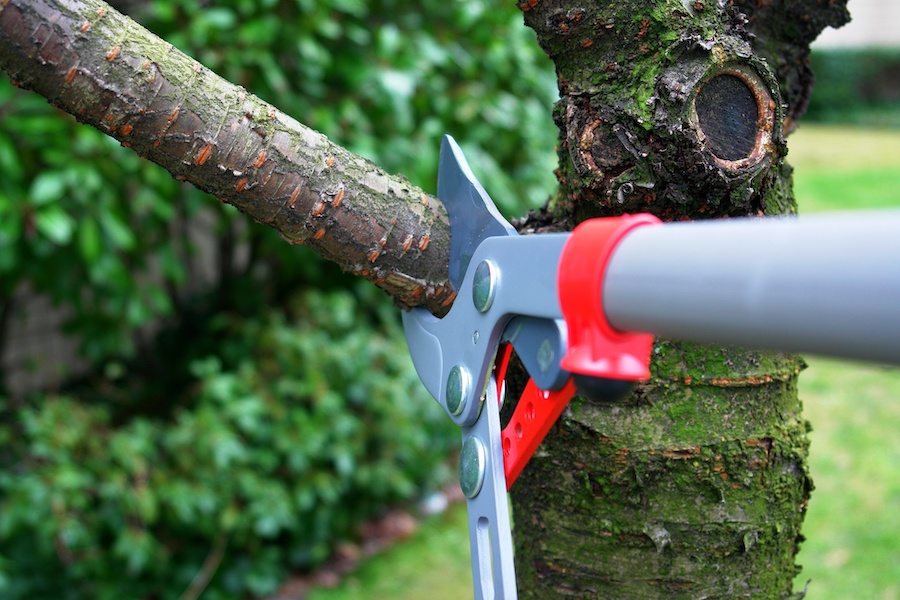
Professional arborists deliver critical benefits of professional services for emergency tree removals that DIY approaches simply cannot match. Certified specialists arrive equipped with industrial-grade machinery, comprehensive insurance coverage, and years of training to handle complex removal scenarios safely. Their expertise prevents secondary damage to your property, neighbouring structures, and underground utilities during extraction.
1. Speed and Availability
Speed and availability distinguish professional emergency services from standard tree care. Most Sydney arborists operate 24/7 response teams, arriving within hours of your call to assess and neutralise threats. This rapid deployment minimises exposure time to hazards like leaning trunks or hanging branches that could collapse without warning.
2. Risk Mitigation
Risk mitigation extends beyond the immediate removal. Professional teams conduct thorough site assessments to identify hidden dangers such as compromised root systems, internal decay, or electrical hazards from nearby power lines. They implement staged removal techniques that control the descent of heavy limbs and trunk sections, protecting your landscaping and hardscaping.
3. Legal Compliance
Legal compliance becomes straightforward when professionals handle your emergency. Experienced arborists navigate Sydney council regulations efficiently, securing necessary exemptions for dangerous trees whilst maintaining proper documentation. They understand which situations qualify for urgent removal without standard approval processes.
4. Insurance Protection
Insurance protection provides peace of mind during stressful situations. Reputable tree removal companies carry public liability insurance and workers’ compensation, shielding property owners from financial exposure if accidents occur during removal operations.
Is Emergency Sydney Tree Removal Really Necessary for Your Property?
The answer depends on immediate risk assessment. When trees threaten structures, block essential access routes, or endanger lives, professional intervention becomes non-negotiable.
Property owners who combine regular arborist inspections with swift professional response to emergencies protect both their financial investments and community safety. This proactive approach transforms tree management from reactive crisis handling into strategic asset protection.
Learn more How to Get a Quote for Your Next Tree Removal Project?