

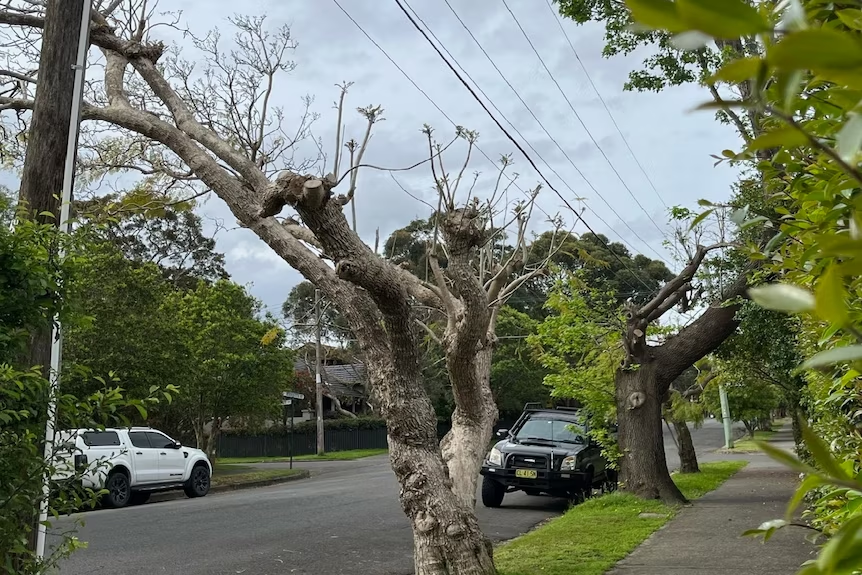
How Can You Obtain an Accurate Quote for Your Tree Removal Project?
An accurate tree removal quote protects you from unexpected expenses and ensures your project stays within budget. Without a detailed estimate, you risk facing surprise charges for additional services, equipment, or complications discovered mid-project.
Getting a tree removal quote requires understanding multiple cost variables. Tree size, location accessibility, health condition, and required safety measures all influence the final price. A professional arborist will assess these factors during an on-site inspection, providing a comprehensive breakdown of expenses.
The value of a detailed quote extends beyond simple price transparency. A thorough estimate allows you to:
- Compare services and pricing across multiple tree removal contractors
- Plan your budget with confidence, knowing all potential costs upfront
- Understand exactly what services are included versus additional charges
- Schedule the work during optimal times to potentially reduce costs
- Ensure compliance with local council requirements and regulations
Tree removal project cost varies significantly based on complexity. A straightforward small tree removal might cost £350, whilst a large, difficult-to-access tree could exceed £3,500. The quote should itemise every aspect—cutting, dismantling, debris removal, stump grinding, and site cleanup—so you understand where your money goes.
Requesting multiple written quotes from licensed arborists gives you leverage for negotiation and peace of mind. Each quote should specify the scope of work, timeline, insurance coverage, and payment terms. This documentation becomes your contract, protecting both parties and establishing clear expectations for the project outcome.
What Factors Affect the Cost of Tree Removal?
Tree removal costs vary significantly based on three primary elements: the physical characteristics of the tree, where it’s situated, and when you schedule the work. The choice of equipment, such as tree loppers, can also influence pricing, as specialised tools allow arborists to perform safer and more efficient cuts. Understanding these variables helps you anticipate costs before requesting formal quotes.
Tree Size Impact and Condition Cost
The dimensions of your tree directly determine the tree size impact on your quote. A 5-metre tree requires basic equipment and minimal labour hours, whilst a 20-metre specimen demands specialised machinery, extended work time, and additional crew members. Height isn’t the only consideration—trunk diameter, canopy spread, and branch density all contribute to the complexity.
Tree condition cost escalates when dealing with compromised specimens. Diseased, storm-damaged, or structurally unsound trees present unpredictable hazards during removal. Arborists must employ extra precautions, potentially dismantling the tree piece-by-piece rather than felling it whole. Dead trees are particularly brittle and dangerous, requiring meticulous planning to prevent unexpected breakage that could injure workers or damage property.
Trees with multiple trunks or unusual growth patterns add another layer of complexity. Each trunk may need separate assessment and removal, effectively multiplying the labour requirements. Root systems affected by disease can also compromise stability, necessitating additional safety protocols.
Location Access Difficulty
Location access difficulty ranks among the most significant cost variables. Trees positioned in open front gardens with clear access paths cost substantially less to remove than those tucked behind buildings or near waterfront areas. Arborists can drive equipment directly to accessible sites, reducing setup time and labour expenses.
Rear-yard locations create logistical challenges. Equipment may need to be transported through narrow side passages or even lifted over structures. Waterfront properties introduce additional complications—unstable ground conditions, environmental protection requirements, and limited manoeuvring space for machinery all increase costs.
Proximity to structures, power lines, or valuable landscaping features demands precision work. Arborists must carefully lower branches using ropes and rigging systems rather than allowing gravity-assisted drops. This controlled dismantling process is time-intensive and requires experienced personnel.
Seasonal Pricing Variations
Seasonal pricing fluctuates throughout the year, with autumn offering potential savings. Deciduous trees shed their leaves during this season, making them easier to assess and remove. As demand for tree services tends to decrease in colder months, some companies may offer discounted rates to attract customers.
It’s worth noting that specific tree species may also influence pricing based on their growth patterns or ecological significance. For instance, protected species may require additional permits or consultations before removal can proceed.
By understanding these factors—tree size impact and condition cost; location access difficulty; and seasonal pricing variations—you can better navigate the complexities of tree removal costs and make informed decisions when seeking professional assistance.
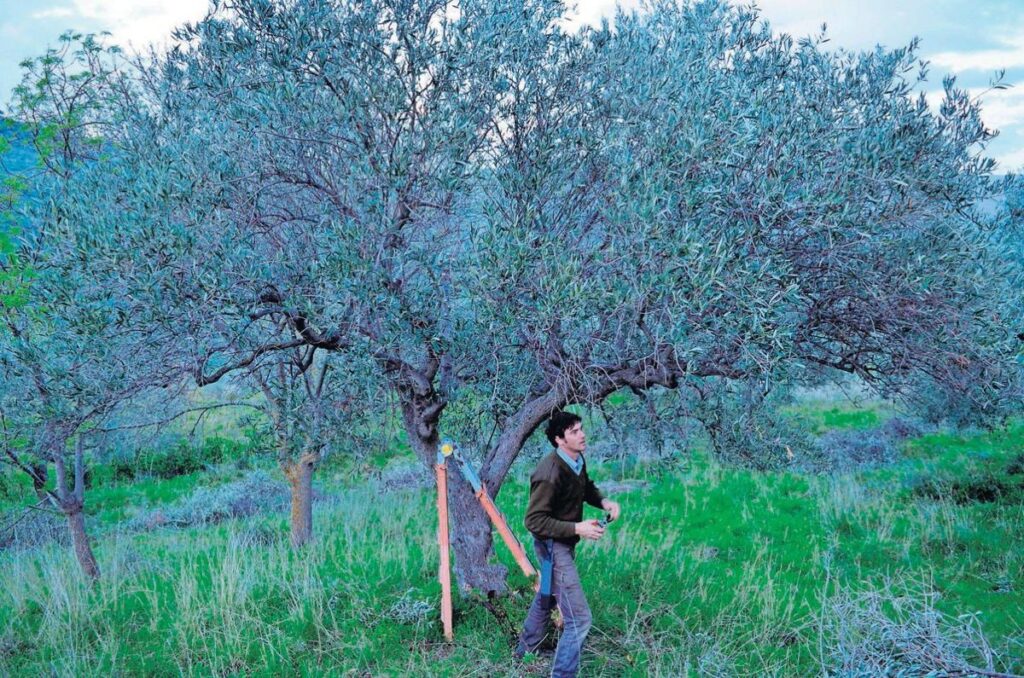
Why Is Tree Size and Condition Important When Getting a Quote?
Tree size and condition directly determine the equipment, labour hours, and safety protocols required for removal. A 5-metre tree in good health might only need basic climbing gear and a chainsaw, whilst a 20-metre diseased oak demands cranes, rigging systems, and multiple crew members working over several days.
How Tree Size Affects Removal Costs
Large tree removal cost escalates because height and girth create exponential complexity. Trees exceeding 15 metres typically require:
- Piece-by-piece dismantling from the top down
- Rigging ropes and pulleys to control falling sections
- Elevated work platforms or crane hire
- Extended labour time (often 2-3 days versus half a day for smaller trees)
- Larger crews with specialised climbing certifications
A mature eucalyptus standing 25 metres tall might cost £2,800-£3,500 to remove, compared to £350-£600 for a 6-metre ornamental tree. The difference reflects not just size but the precision required to lower massive limbs without damaging surrounding structures.
How Tree Condition Affects Removal Costs
Diseased tree removal price increases due to unpredictability and hazard levels. Trees compromised by rot, fungal infections, or pest infestations become structurally unstable. Arborists cannot trust branches to support their weight during climbing, forcing them to use external platforms or bucket trucks exclusively. Dead wood splinters unexpectedly, and hollow trunks may collapse during cutting.
Storm-damaged trees present similar challenges. A tree split by lightning or bent by high winds has internal fractures invisible from ground level. These hidden weaknesses mean arborists must:
- Conduct thorough structural assessments before beginning work
- Use additional stabilisation techniques
- Work more slowly to prevent sudden failures
- Potentially section the tree into smaller pieces than usual
Storm-damaged trees often lean precariously toward buildings or power lines, requiring careful rigging to redirect their fall path. This precision work adds 30-50% to standard removal costs.
The labour component multiplies with problematic trees. A healthy 10-metre tree might require two workers for four hours. The same-sized tree riddled with disease could need three workers for eight hours, plus equipment rental.
How Does Location and Accessibility Influence the Quote?
Location dramatically impacts your tree removal quote because arborists must assess how easily they can reach the tree and manoeuvre equipment around it. Trees in rear gardens, waterfront properties, or areas with limited access require specialised approaches that increase both time and cost.
What Makes Hard-to-Reach Trees More Expensive?
Hard-to-reach trees present unique challenges that standard equipment cannot address. When a tree sits behind a house with narrow side access, arborists cannot bring in standard vehicles or machinery. The crew must hand-carry equipment through tight spaces, which extends project duration and labour costs. Properties with steep slopes, dense landscaping, or structures blocking direct access force teams to work in confined spaces where efficiency drops significantly.
Waterfront property tree removal introduces additional complexity. Trees near water bodies often require careful planning to prevent debris from falling into waterways. Environmental regulations may mandate specific removal techniques to protect aquatic ecosystems. The soft, unstable ground near water edges limits where heavy equipment can operate safely, sometimes requiring alternative methods that take longer to complete.
When Do Arborists Need Cherry Pickers or Cranes?
External platforms become necessary when trees cannot be safely accessed from ground level or when surrounding structures require protection. Cherry pickers allow arborists to reach tall trees in confined spaces where climbing would be dangerous or impossible. These elevated work platforms provide stable positioning for precise cutting, particularly when power lines or buildings sit nearby.
Crane use pricing reflects the substantial equipment and operator costs involved. Cranes handle situations where trees must be removed in sections and lowered carefully to avoid damage to property below. A crane rental typically adds £500 to £2,000 to your quote, depending on the crane size needed and how long the job takes. The operator’s expertise in coordinating with the ground crew justifies this expense when protecting your property from potential damage worth thousands.
How Does Project Complexity Scale with Location Challenges?
Location factors compound each other to create varying levels of project complexity. A tree in an open front garden with drive-through access represents the simplest scenario. The same tree species relocated to a backyard with only a 1-metre side gate transforms into a complex project requiring manual hauling of every piece of wood and equipment.
Key location factors that increase quotes:
- Distance from the road
- Type of terrain
- Presence of obstacles (such as fences or buildings)
- Accessibility for vehicles and equipment
Understanding these factors can help you anticipate potential challenges and communicate effectively with your arborist about your specific situation.
Additionally, certain CEQA exemption types may apply if you’re considering tree removal for development purposes, potentially influencing both the process and cost. Furthermore, if your project site has rocky terrain, it’s essential to implement rock mitigation best practices during construction to manage these challenges effectively.
When Is the Best Time of Year to Schedule Tree Removal for Lower Costs?
Autumn offers the most cost-effective window for tree removal projects. Deciduous trees shed their leaves during this season, reducing the overall weight and complexity of the job, which translates directly into lower quotes from arborists.
The Financial Advantage of Leafless Trees
Removing trees during their dormant period—typically autumn through early winter—can reduce your project costs by approximately 25%. This significant saving stems from the reduced weight arborists must handle. A fully leafed tree carries substantial additional mass in its canopy, requiring more time, effort, and equipment capacity to safely dismantle and remove.
Seasonal tree removal pricing reflects these practical differences. When trees are bare, arborists can:
- Complete cuts more quickly with better visibility of branch structure
- Load and transport lighter materials more efficiently
- Reduce the number of trips needed for debris removal
- Work with less strain on equipment, lowering operational costs
How Leaf Weight Impacts Your Quote
The leaf weight impact extends beyond simple mass calculations. A tree in full foliage creates additional challenges that drive up costs. The canopy catches wind, making the tree more dangerous to work with and requiring extra safety precautions. Branches become harder to grip and manoeuvre, slowing down the cutting and lowering process.
During spring and summer, arborists must also contend with:
- Increased debris volume requiring additional disposal trips
- Heavier loads that may necessitate larger equipment or more workers
- Extended working hours to complete the same job that would take less time in autumn
- Greater fuel consumption for chipping and hauling leafy material
Strategic Timing for Maximum Savings
Autumn tree removal savings become even more pronounced when you consider scheduling flexibility. Many property owners delay tree work until spring, creating peak demand periods when prices naturally rise. Booking your removal during the quieter autumn months often means arborists have more availability and may offer competitive rates to fill their schedules.
Trees that pose no immediate safety risk are ideal candidates for autumn removal. If your tree is stable and not threatening structures or power lines, waiting for the leaves to drop can substantially reduce your final bill whilst maintaining the same quality of service.
What Local Regulations Should Be Considered Before Requesting a Quote?
Council permits for tree removal are often mandatory before any work begins, making them a critical first step in your planning process. Checking these requirements before requesting quotes saves time and prevents costly delays or legal complications down the line.
Why Permit Research Matters
Many homeowners discover permit requirements only after receiving quotes, forcing them to restart the entire process. Arborists need to know whether permits apply to your specific tree, as this affects their timeline, approach, and pricing structure. Some professionals include permit application assistance in their quotes, while others charge separately for this service.
How Regulations Differ by Location
Local tree laws vary dramatically between councils and municipalities. A tree requiring a permit in one suburb might be freely removable in the next. These variations typically depend on:
- Tree species: Native or heritage-listed trees face stricter protection
- Tree size: Height and trunk diameter thresholds trigger permit requirements
- Location: Trees in conservation zones or near waterways need special approval
- Property zoning: Residential, commercial, and rural properties follow different rules
Species-Specific Restrictions
Protected species lists differ across regions. Queensland councils, for example, maintain specific registers of significant trees that cannot be removed without exceptional circumstances. Some areas protect all trees above certain dimensions, while others focus solely on native species or trees of cultural significance.
Size Thresholds That Trigger Permits
Most councils set clear measurements that determine when permits become necessary. Common thresholds include:
- Trees exceeding 5-10 metres in height
- Trunk diameters above 30-50 centimetres at chest height
- Canopy spreads covering specific square metreage
- Multiple-trunk specimens meeting combined diameter requirements
Legal Requirements for Pruning
Legal requirements for pruning extend beyond complete removal. Many councils regulate how much of a tree’s canopy you can trim, even on your own property. Queensland legislation, for instance, permits pruning of overhanging branches up to 2.5 metres from the ground and 50 centimetres past the boundary line, provided you notify neighbours beforehand.
Pruning restrictions often specify:
- Maximum percentage of canopy removal (typically 10-30%)
- Prohibition on topping or severe lopping techniques
What Additional Services Should Be Included in a Tree Removal Quote?
A comprehensive tree removal quote should extend beyond simply cutting down the tree. The most complete estimates itemise every aspect of the project, from stump grinding inclusion to final site clean-up, preventing unexpected charges after work begins.
Does the Quote Cover Stump Removal?
Stump removal represents a separate service that many property owners overlook when requesting initial quotes. Tree removal companies typically offer two stump elimination methods: grinding the stump below ground level or chemical poisoning to accelerate decomposition. Grinding provides immediate results, removing the visible stump and several inches of root structure, whilst poisoning takes months to work but costs considerably less. Your quote should explicitly state whether stump removal is included or priced as an additional service, with costs ranging from £150 to £1,200 depending on stump diameter and root complexity.
What Happens to the Wood and Branches?
Wood chipping services transform branches and smaller wood pieces into mulch, which can either be removed or left for your garden use. A detailed quote clarifies whether wood chipping is standard or costs extra. Some companies include basic chipping in their base price, whilst others charge separately based on the volume of material processed.
Branch pruning for access often becomes necessary when trees grow near structures or power lines. This preparatory work allows safe removal but adds labour time and equipment requirements to your project.
Are Debris Disposal Costs Transparent?
Debris disposal costs cover transportation and dumping fees at approved waste facilities. Professional quotes should break down these expenses separately rather than hiding them in a general service fee. The volume of debris directly impacts disposal costs—a large oak generates substantially more waste than a small ornamental tree.
Site clean-up standards vary between companies. Some arborists include thorough cleanup with raking and removal of sawdust, whilst others leave minor debris. Your quote should specify the cleanup level included:
- Complete removal of all wood, branches, and leaves
- Raking and sweeping of work areas
- Disposal of sawdust and wood chips
- Restoration of disturbed ground areas
What About Trunk Removal and Processing?
Trunk removal deserves specific attention in your quote. Large trunks require cutting into manageable sections, loading onto trucks, and disposal.
How Do Safety Measures Affect the Tree Removal Quote?
Safety measures directly increase your quote when the job presents hazardous conditions. Safety equipment costs form a significant portion of the estimate for complex removals, particularly when trees stand near power lines, buildings, or in unstable conditions.
Dangerous tree removal projects require specialised equipment that standard jobs don’t need. Arborists must account for rigging systems, harnesses, protective gear, and sometimes specialised cutting tools designed for compromised trees. These items carry rental fees, maintenance costs, and insurance premiums that get passed to you as the client.
What Elevated Work Platforms Add to Your Quote
Elevated work platforms expenses become necessary when ground-based removal isn’t safe or practical. Cherry pickers and boom lifts allow arborists to access tall trees or those in confined spaces without climbing, reducing risk but adding substantial costs. These platforms typically charge by the day, with rates varying based on:
- Platform height capacity (12-metre platforms cost less than 20-metre units)
- Transport fees to bring equipment to your property
- Operator requirements and certification levels
- Site preparation needs for stable positioning
A job requiring a cherry picker might add £300-£800 to your base quote, depending on rental duration and equipment specifications.
When Power Companies Get Involved
Electricity shutdown fees apply when trees grow dangerously close to power lines. Your arborist cannot legally work near live electrical cables without proper clearance. The process involves:
- Contacting the local electricity provider to schedule a shutdown
- Paying utility company fees for temporary disconnection
- Coordinating timing with neighbours who’ll lose power
- Accounting for restricted work windows during the shutdown period
These shutdowns can cost £200-£500 depending on your provider and the complexity of the electrical infrastructure. Some regions require longer notice periods, potentially delaying your project and extending equipment rental costs.
Risk Assessment Impact on Pricing
Arborists conduct site-specific risk assessments before quoting. Trees leaning toward structures, those with root damage, or specimens showing signs of internal decay all trigger higher safety protocols. Dead trees present particular challenges—they’re unpredictable during cutting and may require piece-by-piece dismantling rather than directional felling.
Why Is It Important to Hire Professional Arborists for Tree Removal Quotes?
Hiring a professional arborist for tree removal quotes is crucial for several reasons:
- Expertise and Qualifications: Licensed arborists possess the necessary qualifications, training, and experience to assess trees accurately. They understand tree biology, cutting techniques, and local regulations, allowing them to provide precise quotes that consider potential complexities.
- Insurance Coverage: Professional arborists carry comprehensive insurance policies that protect your property and finances during the removal process. This includes public liability insurance, workers’ compensation, equipment insurance, and professional indemnity coverage. Without such protections, you may be held liable for any accidents or damages that occur.
- Thorough Site Assessments: Unlike unqualified operators who may overlook critical factors, professional arborists conduct detailed evaluations of the site before providing quotes. They consider soil conditions, nearby structures, overhead power lines, and root systems that could impact foundations. This ensures that the quote accurately reflects the scope of work required.
- Contingency Planning: Licensed arborists anticipate potential challenges and include contingencies in their estimates. On the other hand, unqualified removers often demand additional payment when they encounter predictable issues such as embedded fence wires or hidden rot.
By hiring a professional arborist for tree removal quotes, you can benefit from their expertise, insurance coverage, thorough assessments, and contingency planning—ultimately leading to a smoother and more cost-effective removal process.
What Should a Detailed Written Contract Include in the Quote?
A comprehensive written contract protects both you and the service provider by documenting every aspect of the tree removal project. The quote should itemise all work components including cutting techniques, pruning requirements, dismantling methods, and debris removal procedures with specific details about each task.
Essential Job Scope Elements
Comprehensive contract details must outline the exact work to be performed. The document should specify which trees or branches require removal, the cutting methods to be used, and whether the tree will be felled in one piece or dismantled section by section. This job scope clarity eliminates confusion about what the agreed price covers.
The contract needs to address:
- Precise location and identification of trees for removal
- Cutting and dismantling techniques to be employed
- Branch pruning required for equipment access
- Removal of all tree debris, branches, and trunk sections
- Site clean-up procedures and final condition expectations
Cost Breakdown and Expense Transparency
A proper quote separates individual cost components rather than providing a single lump sum. This breakdown should include labour charges, equipment hire fees, fuel costs, waste disposal or dumping fees, and any permit expenses. Transparent pricing enables hidden cost prevention by revealing exactly where your money goes.
The contract must specify whether stump removal is included or quoted separately. Stump grinding or chemical poisoning represents a significant additional service that some contractors exclude from base quotes. Wood chipping services, if desired, should also appear as a distinct line item.
Additional Charges and Contingencies
Written contracts should clearly state any circumstances that might trigger extra charges. These include unexpected complications like discovering internal decay, encountering underground utilities, or needing emergency power shutdowns. The quote should define hourly rates for work exceeding estimated time or specify fixed pricing regardless of duration.
How to get a quote for your next tree removal project? requires understanding that legitimate contractors provide detailed written estimates before commencing work. Verbal quotes lack the legal protection and clarity needed for projects involving significant safety risks and property considerations.
Insurance and Liability Coverage
The contract must confirm the arborist’s public liability insurance coverage and workers’ compensation details. This documentation proves the contractor carries adequate protection against property damage or injuries occurring during the project. Request copies of current insurance certificates an
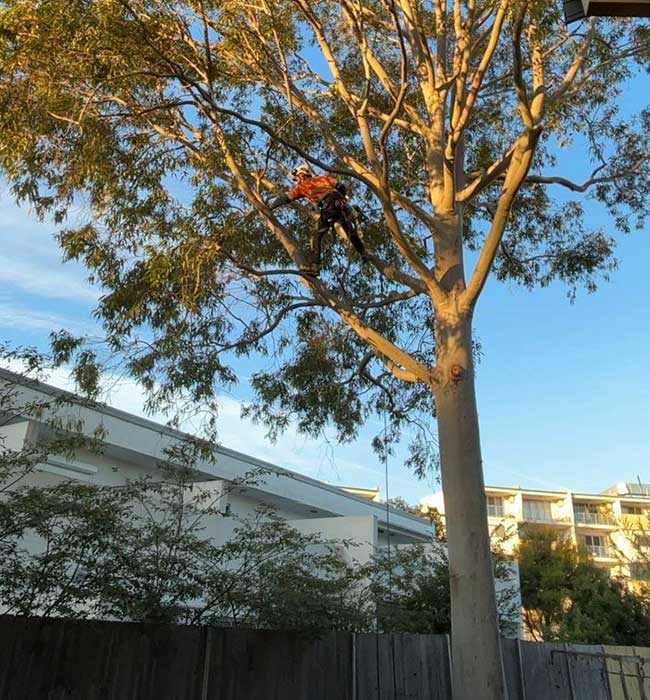
What Pricing Ranges Can Be Expected for Different Tree Removal Services?
Tree removal costs vary significantly based on the service type and job complexity. Understanding typical price ranges helps you evaluate quotes and budget appropriately for your project.
1. Tree Pruning Services
Tree pruning services generally cost between £280-£1,900, with pricing heavily dependent on tree height. A small ornamental tree requiring light pruning sits at the lower end, whilst tall mature trees needing extensive crown work command premium rates. The height factor directly impacts labour time, equipment requirements, and safety measures needed.
2. Complete Tree Removal
Complete tree removal ranges from £280-£2,800. Small trees under 5 metres with straightforward access fall into the lower bracket. Medium-sized trees between 5-15 metres typically cost £800-£1,500, whilst large specimens exceeding 15 metres or requiring complex dismantling can reach the upper price threshold. Trees near structures, power lines, or with difficult access push costs toward the higher end.
3. Stump Grinding Services
Stump grinding services span £120-£960. The price depends on:
- Stump diameter and depth
- Root system complexity
- Ground conditions and accessibility
- Number of stumps requiring removal
- Site restoration requirements
Small stumps under 30cm diameter may cost £120-£200, medium stumps (30-60cm) range from £200-£500, whilst large stumps exceeding 60cm diameter can reach £960 or more.
4. Additional Cost Considerations
Additional cost considerations affect your final quote:
- Debris removal and disposal typically add £150-£400 depending on volume
- Wood chipping services cost £100-£300 extra
- Emergency call-outs for storm-damaged trees often carry surcharges of 50-100% above standard rates
When evaluating quotes, compare like-for-like services. A seemingly expensive quote including stump removal, debris disposal, and site clean-up may offer better value than a cheaper quote excluding these essential services.
Learn more Is Emergency Sydney Tree Removal Really Necessary for Your Property?